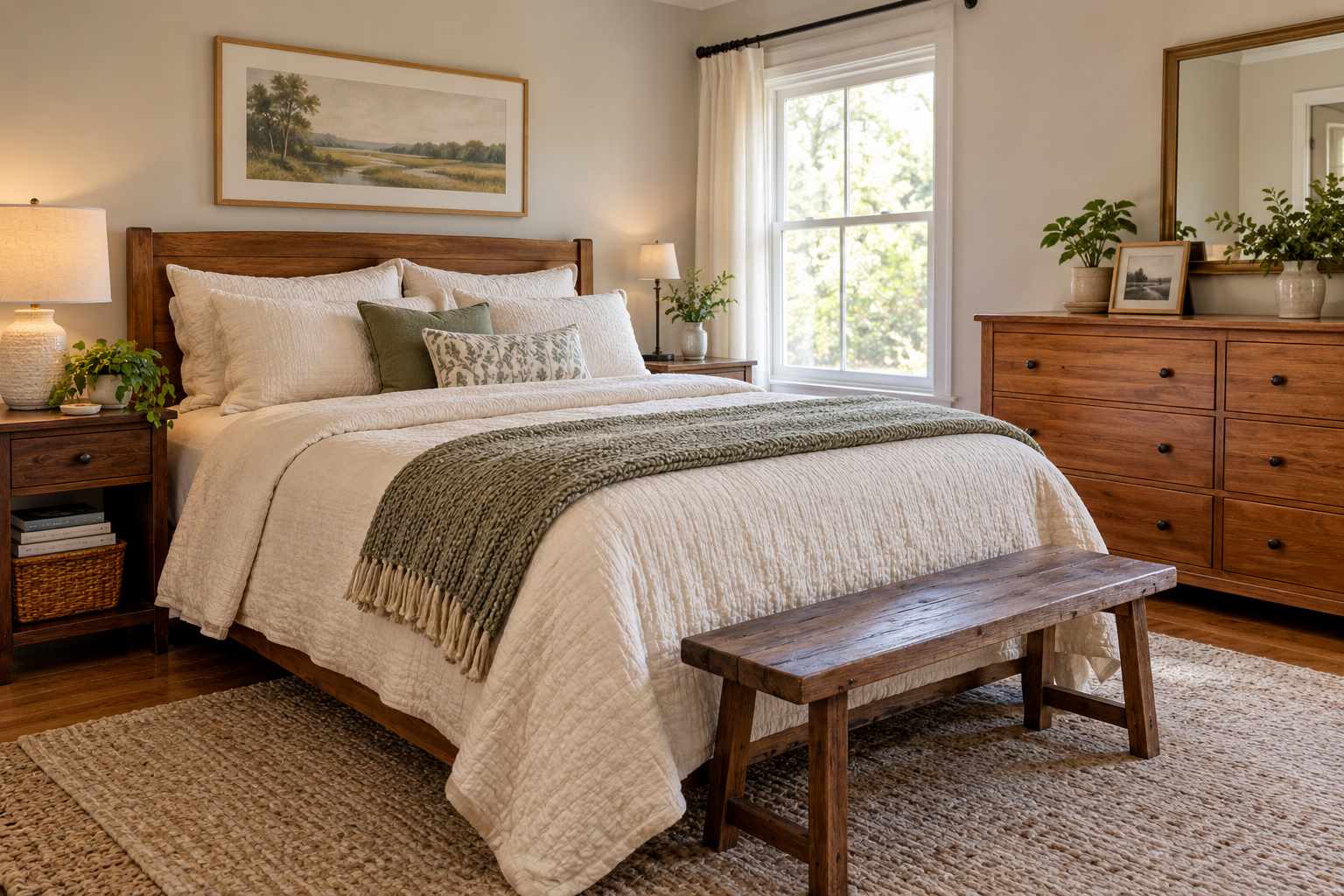
A bedroom refresh can begin with the things already in the room. Before shopping, look at the layout, bedding, surfaces, and items stored elsewhere in the home. These bedroom decor ideas on a budget focus on small changes with a clear purpose rather than a list of products to buy. Decide what feels unfinished and choose one problem to solve first. A more useful arrangement, a simpler display, or a carefully chosen textile can make the room feel considered without requiring a complete replacement.
Key Takeaways
- Identify the room’s main problem before spending.
- Rearrange, clean, and edit existing pieces before adding new ones.
- Measure and compare carefully when a purchase is necessary.
1. Rearrange the Bed Around a Better Route
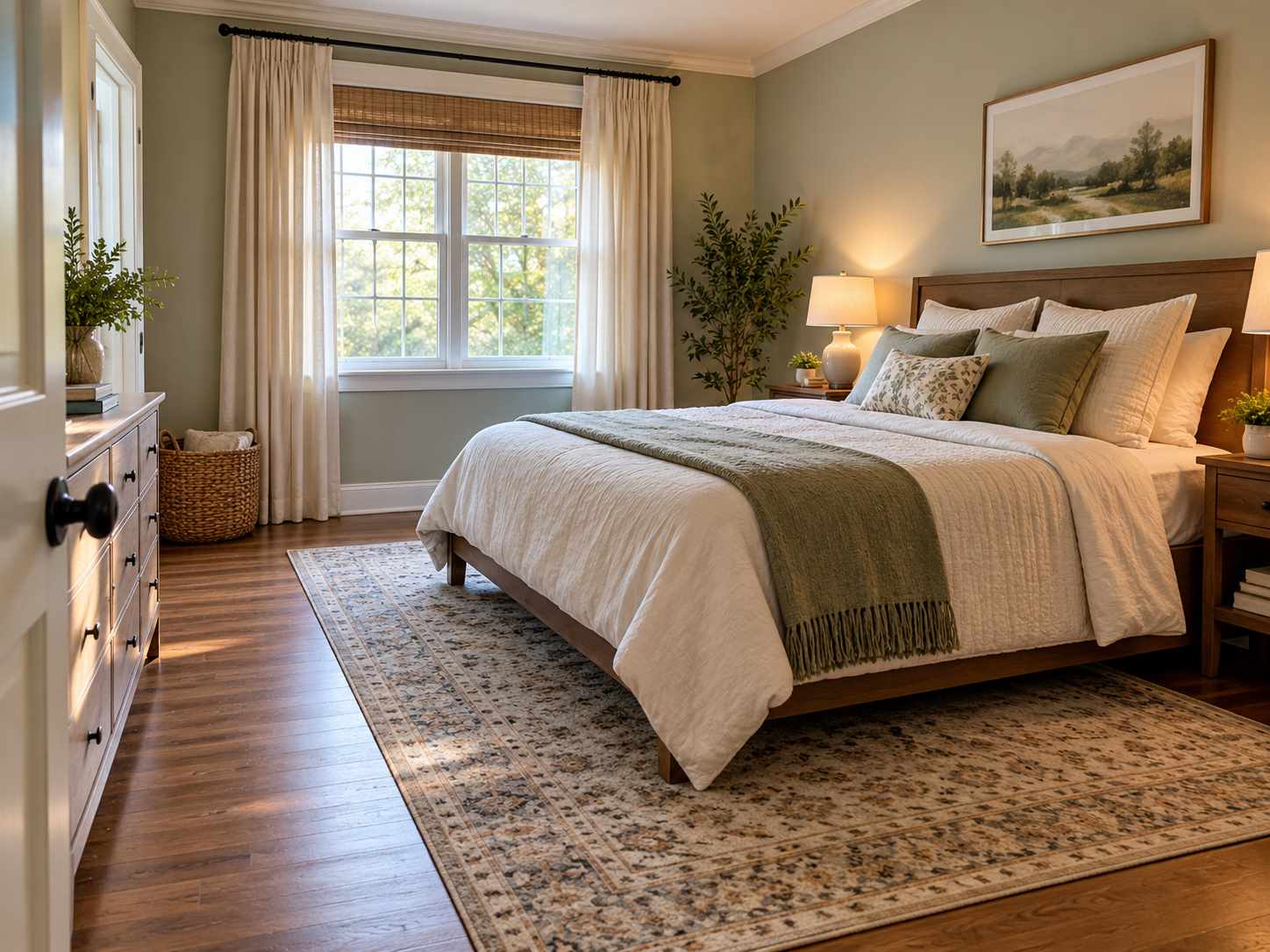
Moving the bed may improve access to storage or create a more useful bedside area. Sketch the room and check doors, windows, and heating before lifting furniture. Preserve comfortable movement and appropriate access rather than centering the bed at the expense of daily use.
2. Simplify the Bedding Layers
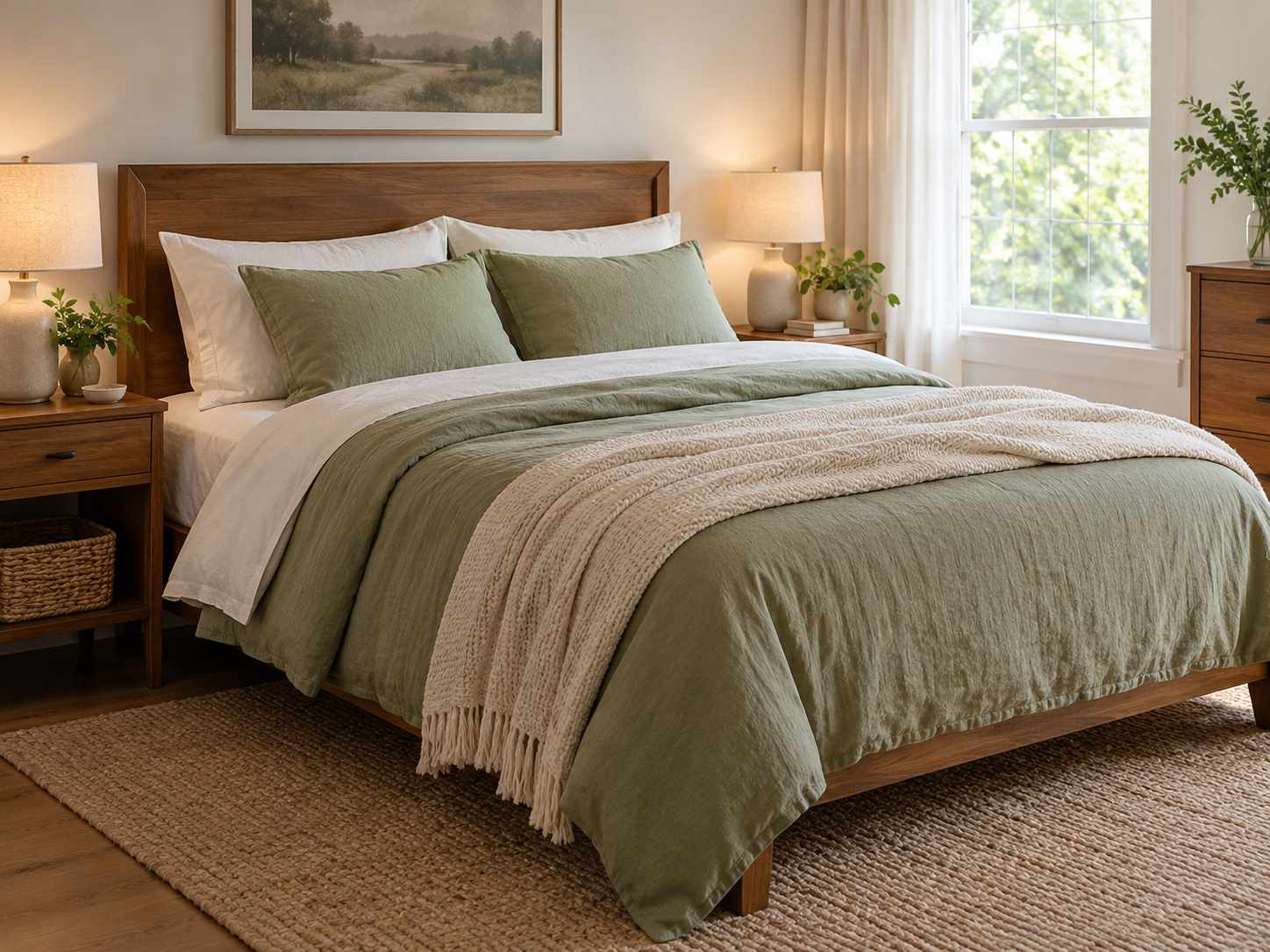
Remove unused decorative pieces and work with the sheets and cover you actually enjoy. A clear arrangement can make mixed bedding feel more deliberate. Check what needs washing or repair before deciding a new set is necessary.
3. Move a Suitable Lamp from Another Room
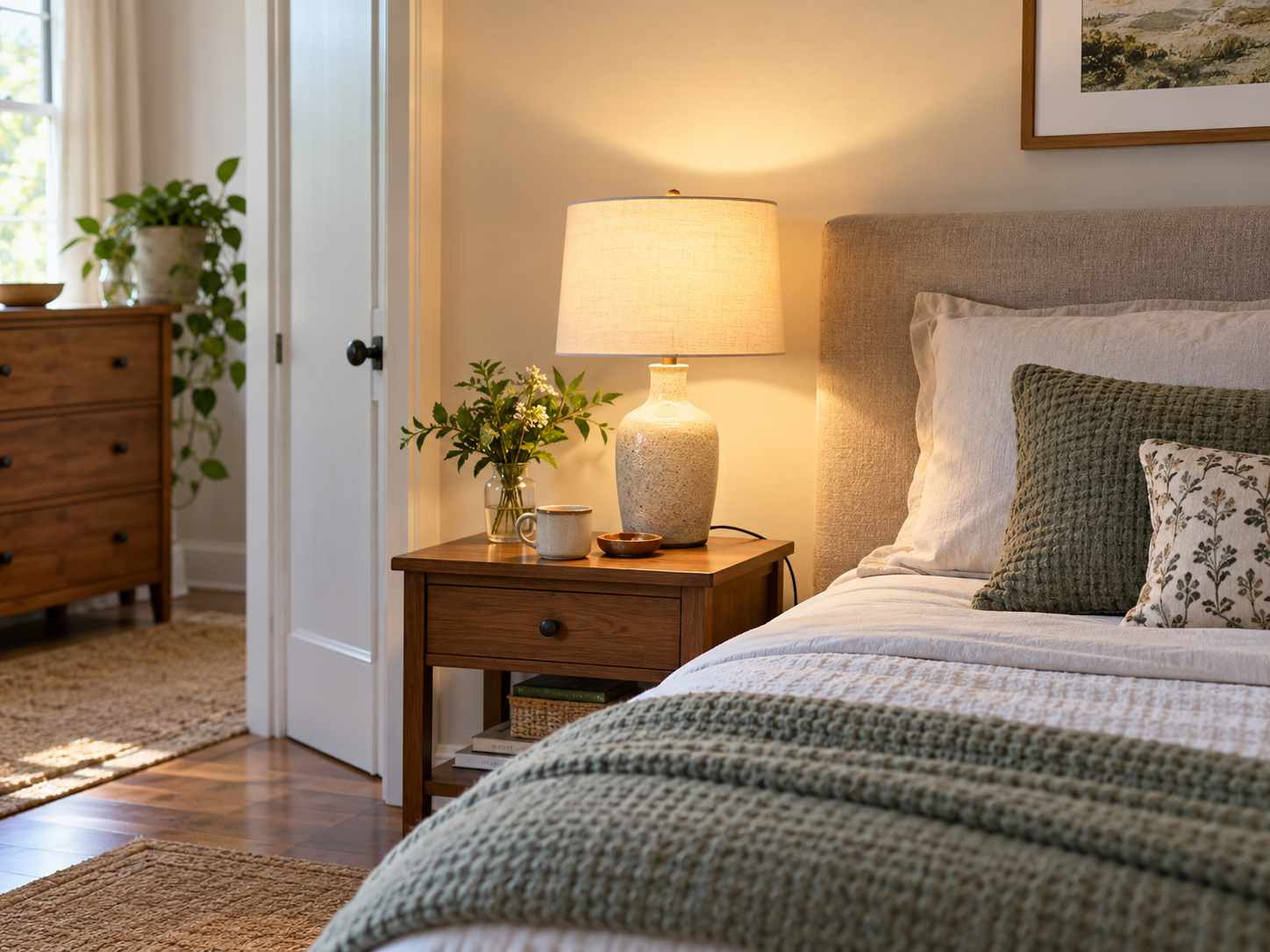
A lamp you already own may provide better bedside light than an overhead fitting alone. Check its condition, bulb guidance, and usable shade position. Route the cable safely and make sure moving it does not leave another room without needed light.
4. Use an Existing Stool as a Bedside Surface
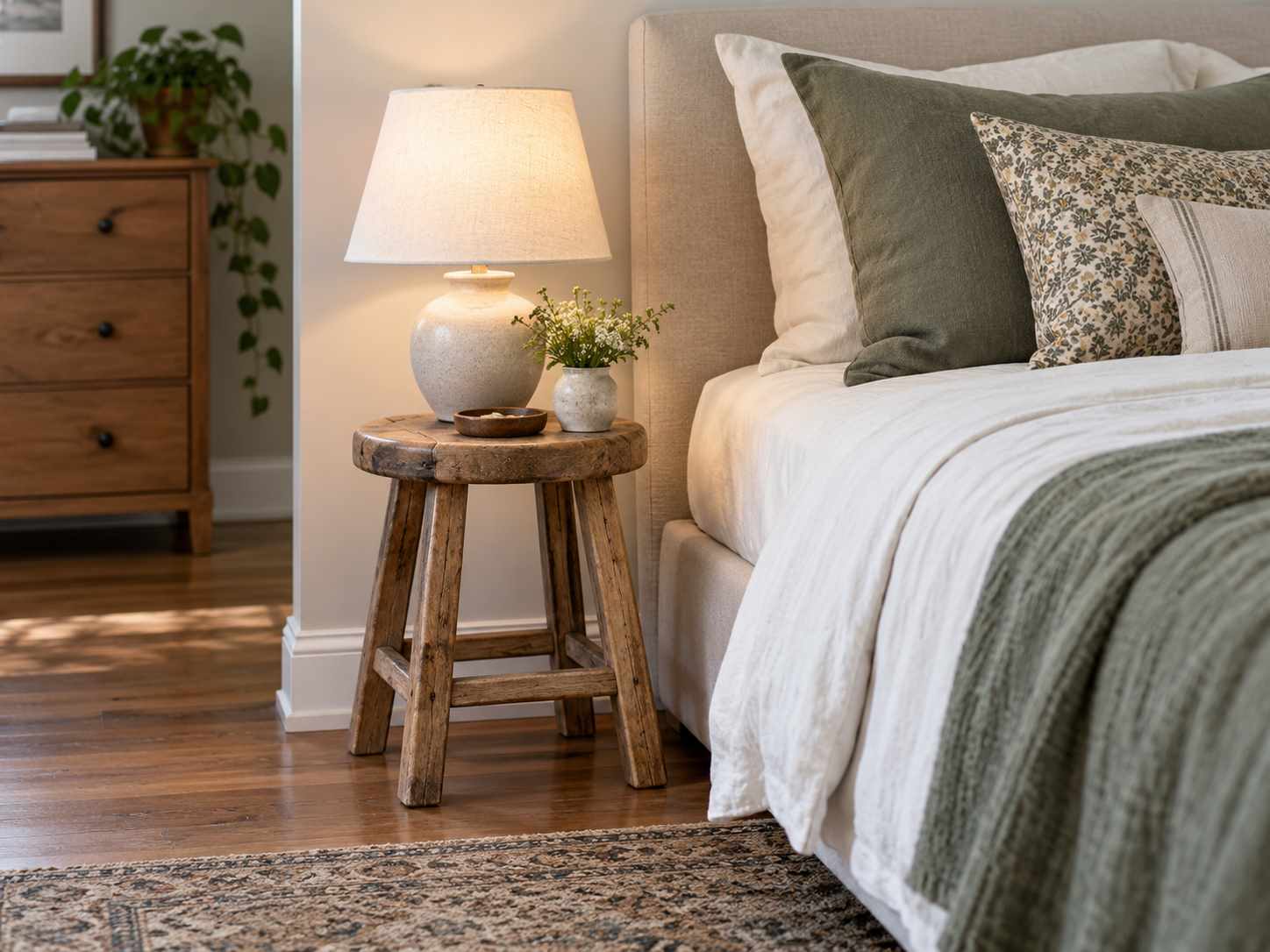
A stable stool can provide a landing spot when drawer storage is available elsewhere. Check its top is level and large enough for the items you need. Avoid balancing a lamp on a decorative piece with a narrow or uneven surface.
5. Group Small Artwork into One Arrangement
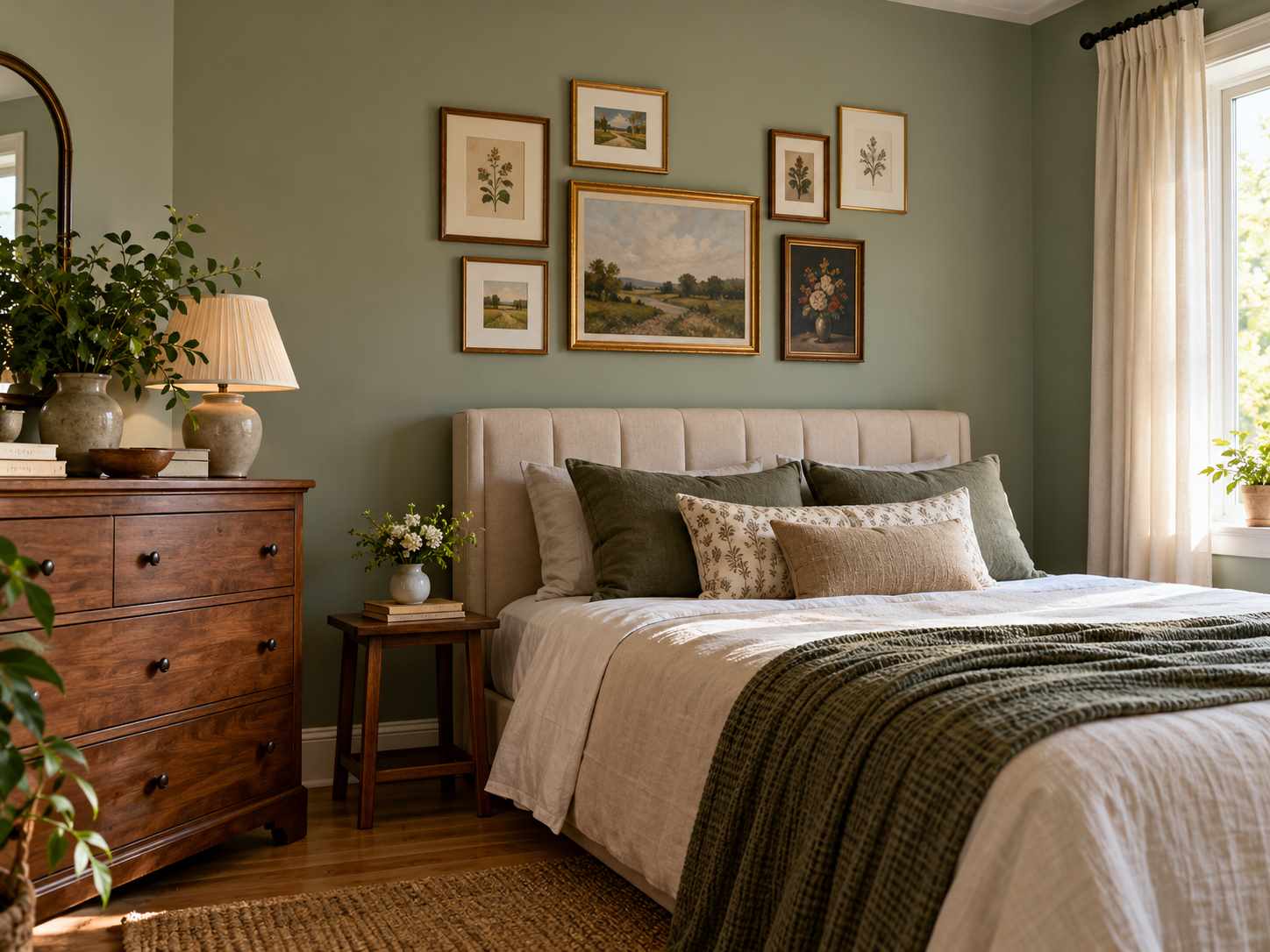
Several small pieces can look more intentional together than scattered around the room. Use work you own or have rights to display and plan the grouping on the floor. Check suitable fixings before moving frames, especially around the sleeping area.
6. Fold a Spare Blanket Across the Bed
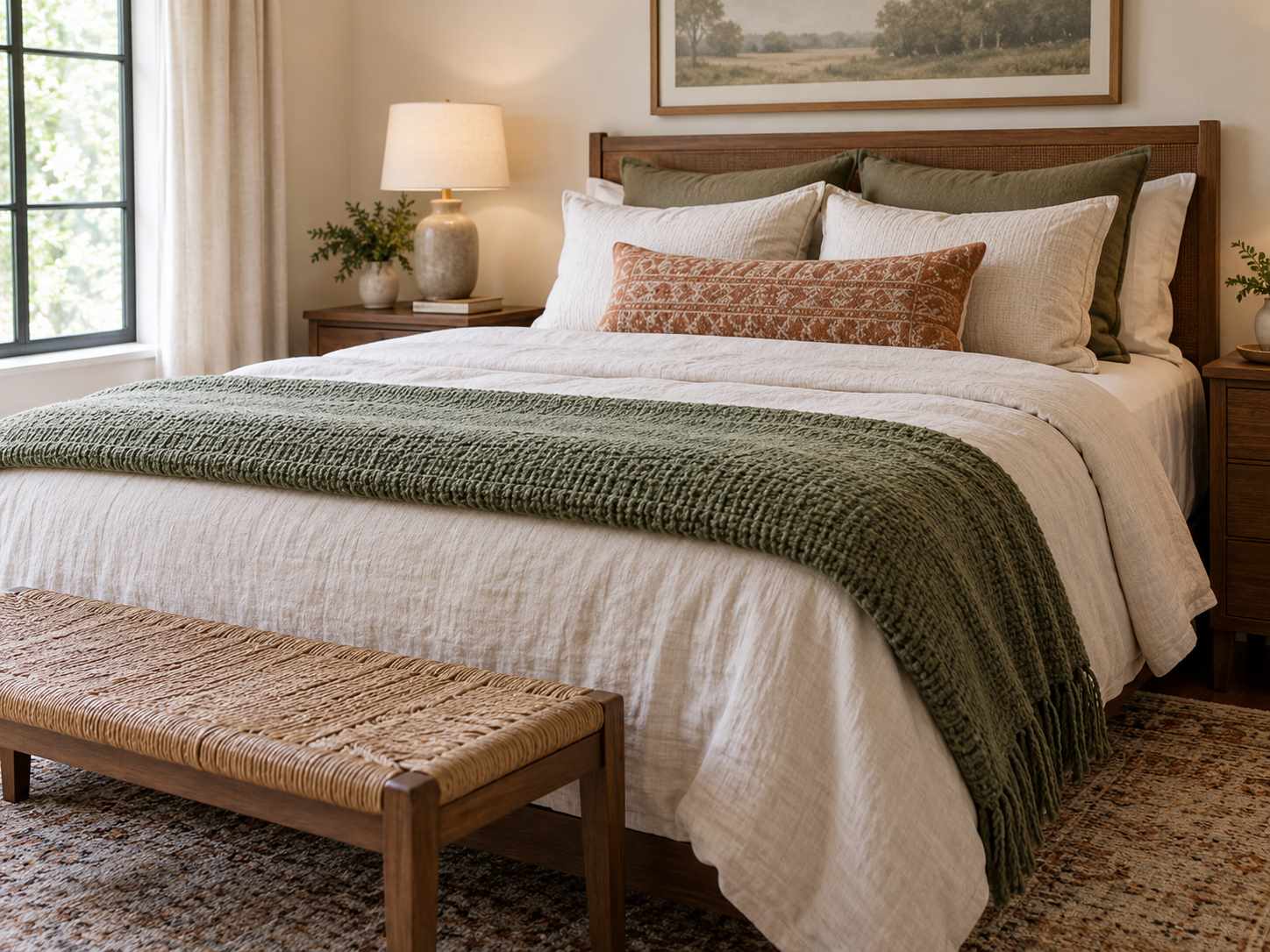
A blanket stored elsewhere can introduce texture and color without a new purchase. Choose one that is clean, comfortable, and appropriate to the season. Fold it where it can be used rather than adding a layer that must be removed every night.
For a practical foundation for the bedding, see our guide to layering a comfortable bed.
7. Clear the Dresser and Return Only Useful Items
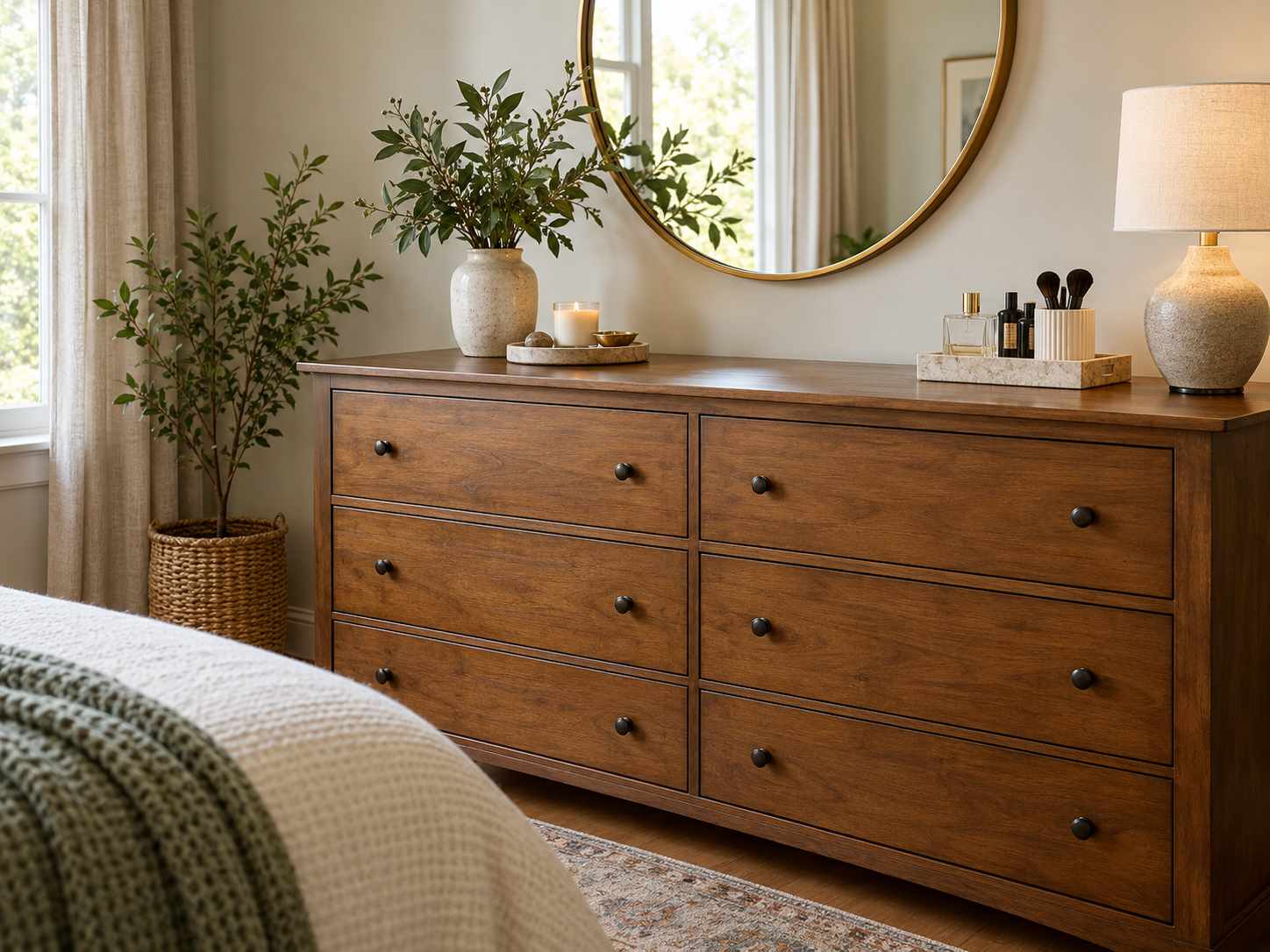
An edited dresser can feel refreshed without any new objects. Keep daily essentials together and choose one small decorative grouping. Move stray paperwork and unused products to appropriate storage rather than finding a new container for every pile.
8. Refresh Drawer Handles When the Fit Is Right
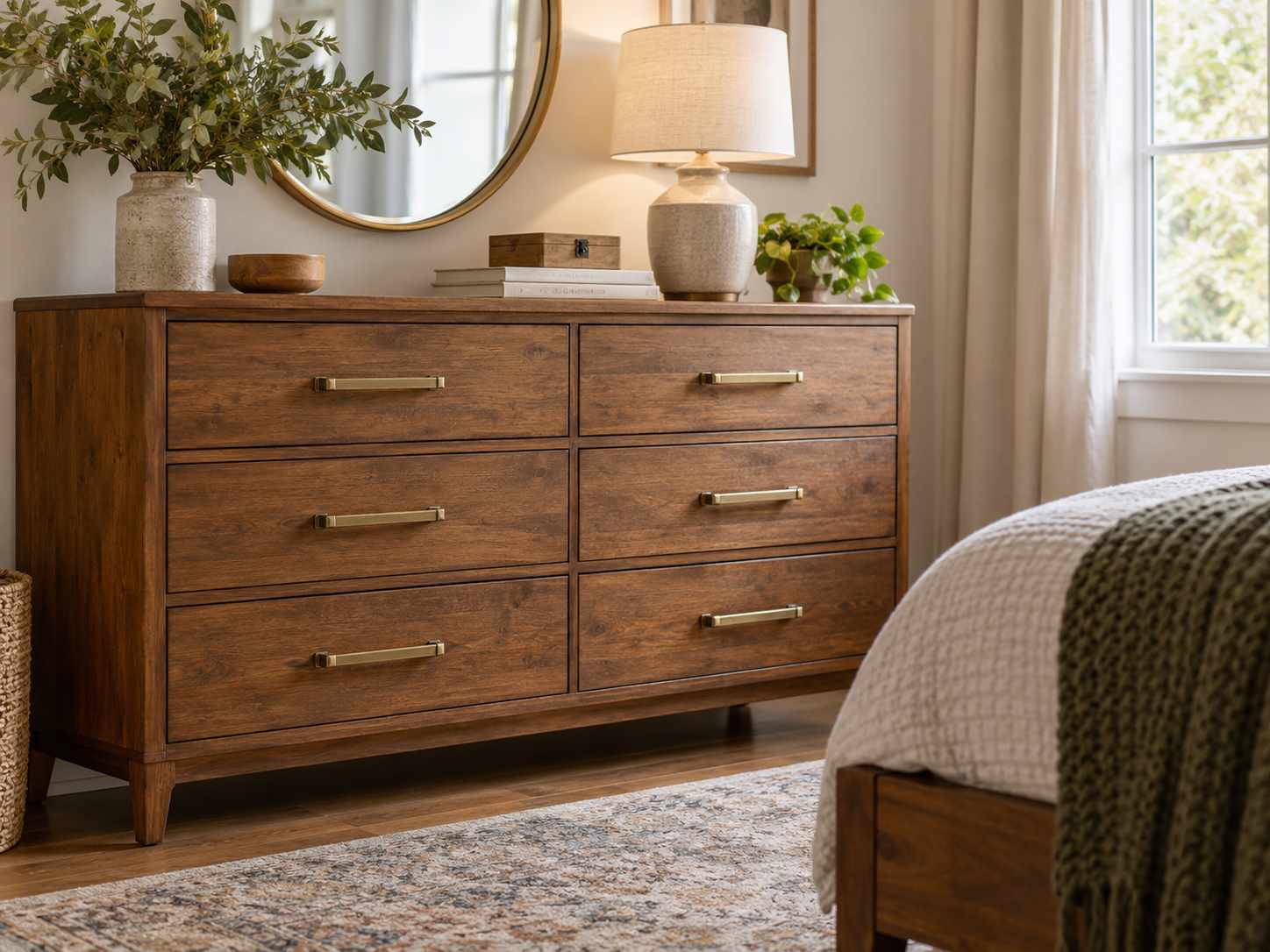
New or reused handles may improve a sound dresser’s appearance. Check fixing spacing, screw length, and drawer construction before buying parts. Repair any underlying drawer problem first; decorative hardware will not correct a damaged runner or unstable cabinet.
9. Use a Plain Cushion Cover to Connect Colors
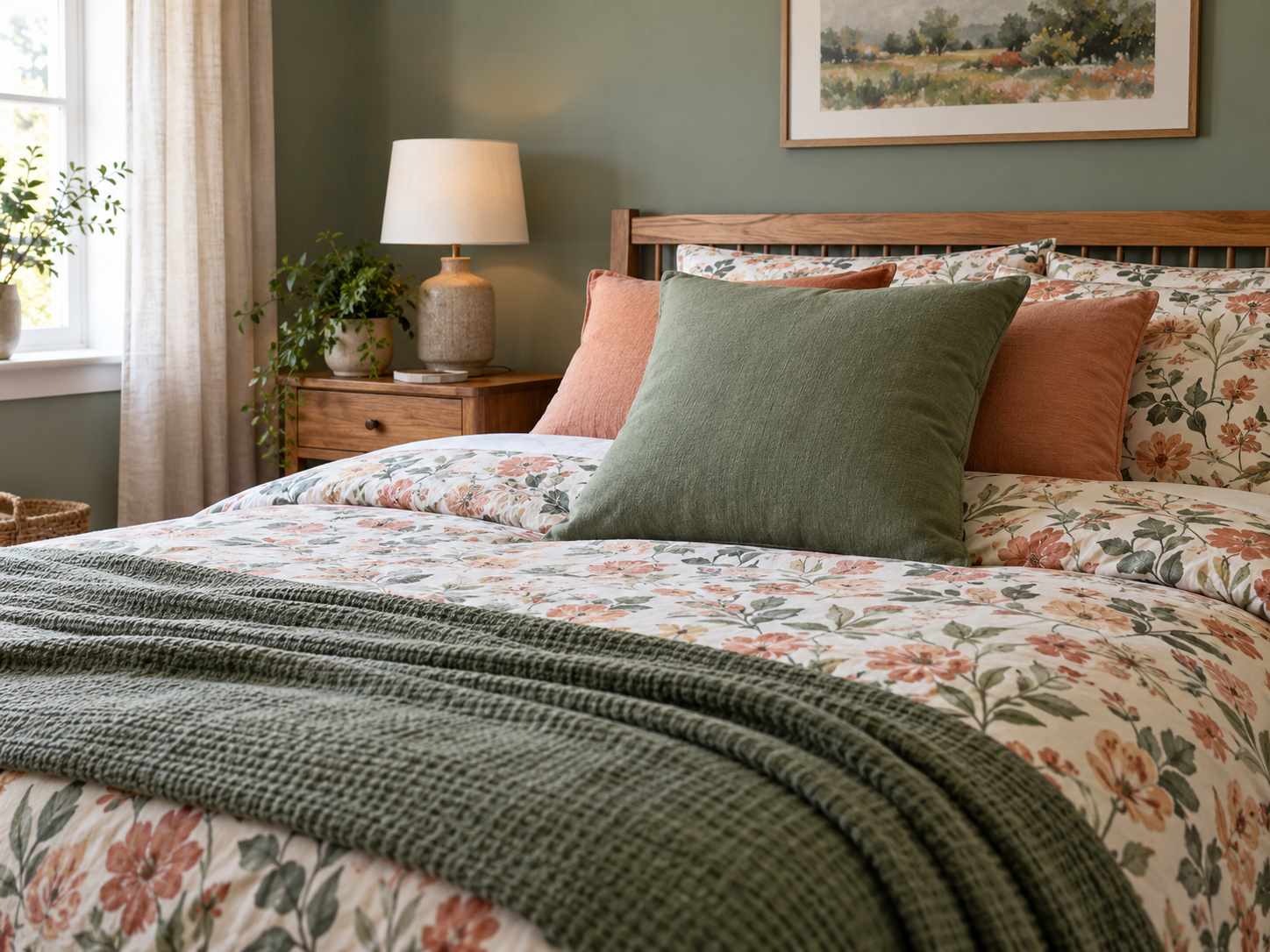
One suitable cover can connect an existing patterned bedspread with the room’s palette. Compare the fabric with the actual bedding before buying. A removable washable cover is more useful than several small cushions that have no place to go at night.
10. Move Books into a Defined Reading Group
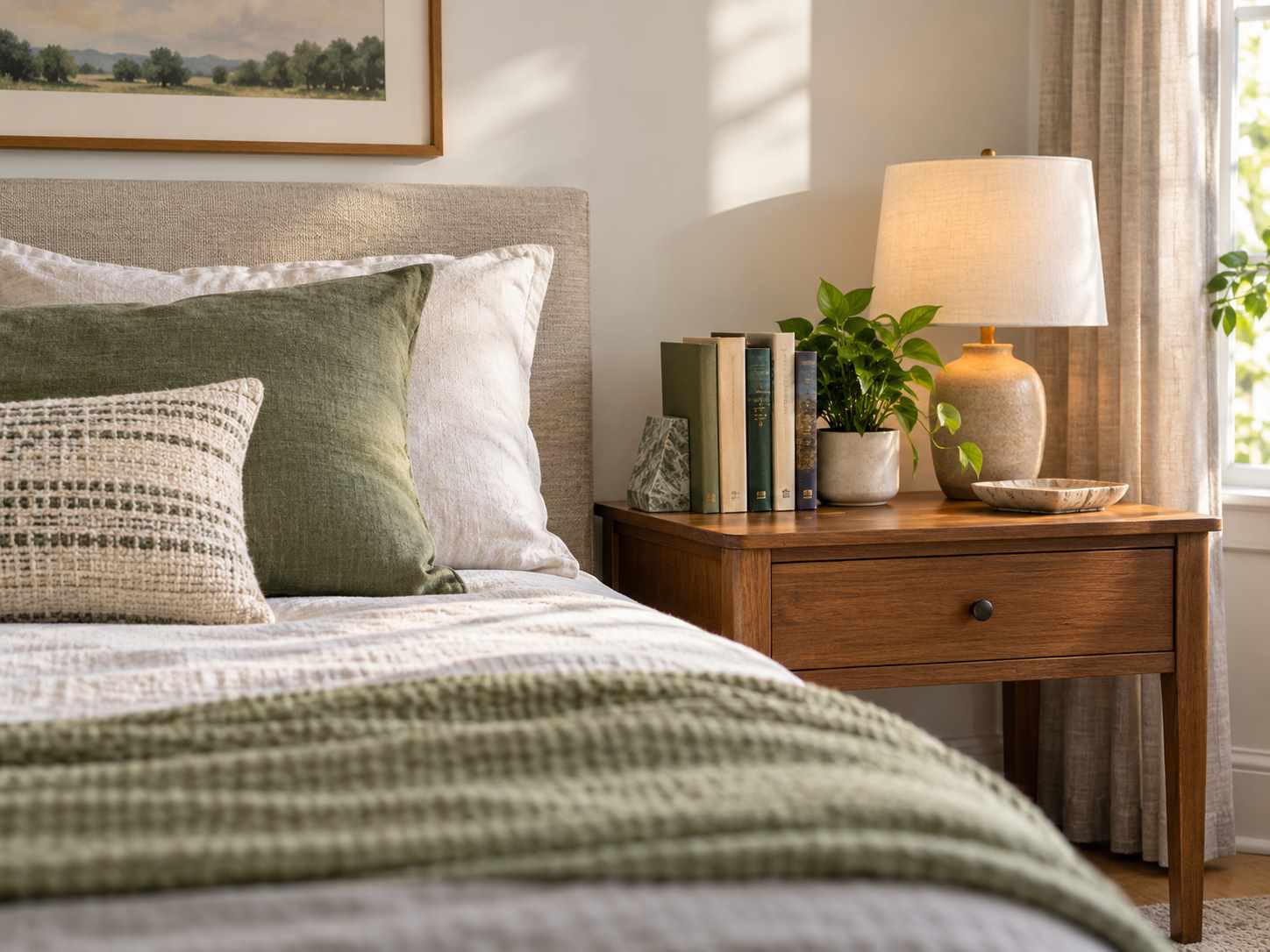
A few favorite books can make the room personal without extra accessories. Keep them on a stable shelf or table where they remain accessible. Avoid tall stacks and leave space for everyday use around the bed.
11. Clean and Rehang Existing Curtains Carefully

Existing curtains may look better after appropriate cleaning and a more considered arrangement. Follow care instructions and check hardware condition. If changing the rod position, confirm wall fixing requirements and keep fabric clear of heaters.
12. Use a Basket You Already Own for Spare Textiles
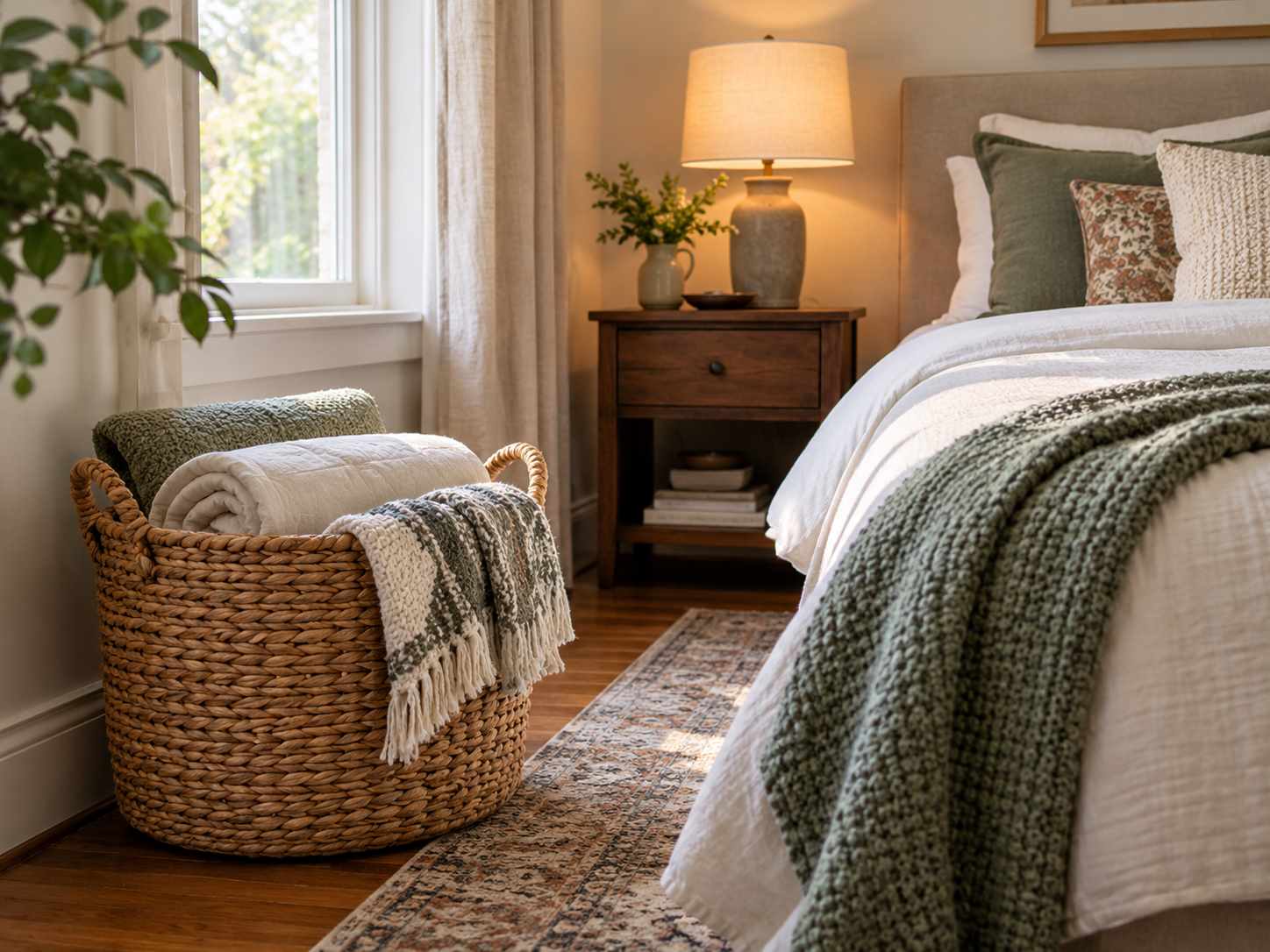
A suitable basket can contain extra bedding or a throw that otherwise lies on a chair. Check the interior for snags and keep contents dry. Position it outside the route around the bed and choose a manageable quantity.
For ideas that support a compact layout, explore our small-space decorating guides.
13. Try a Small Paint Change Only After Sampling
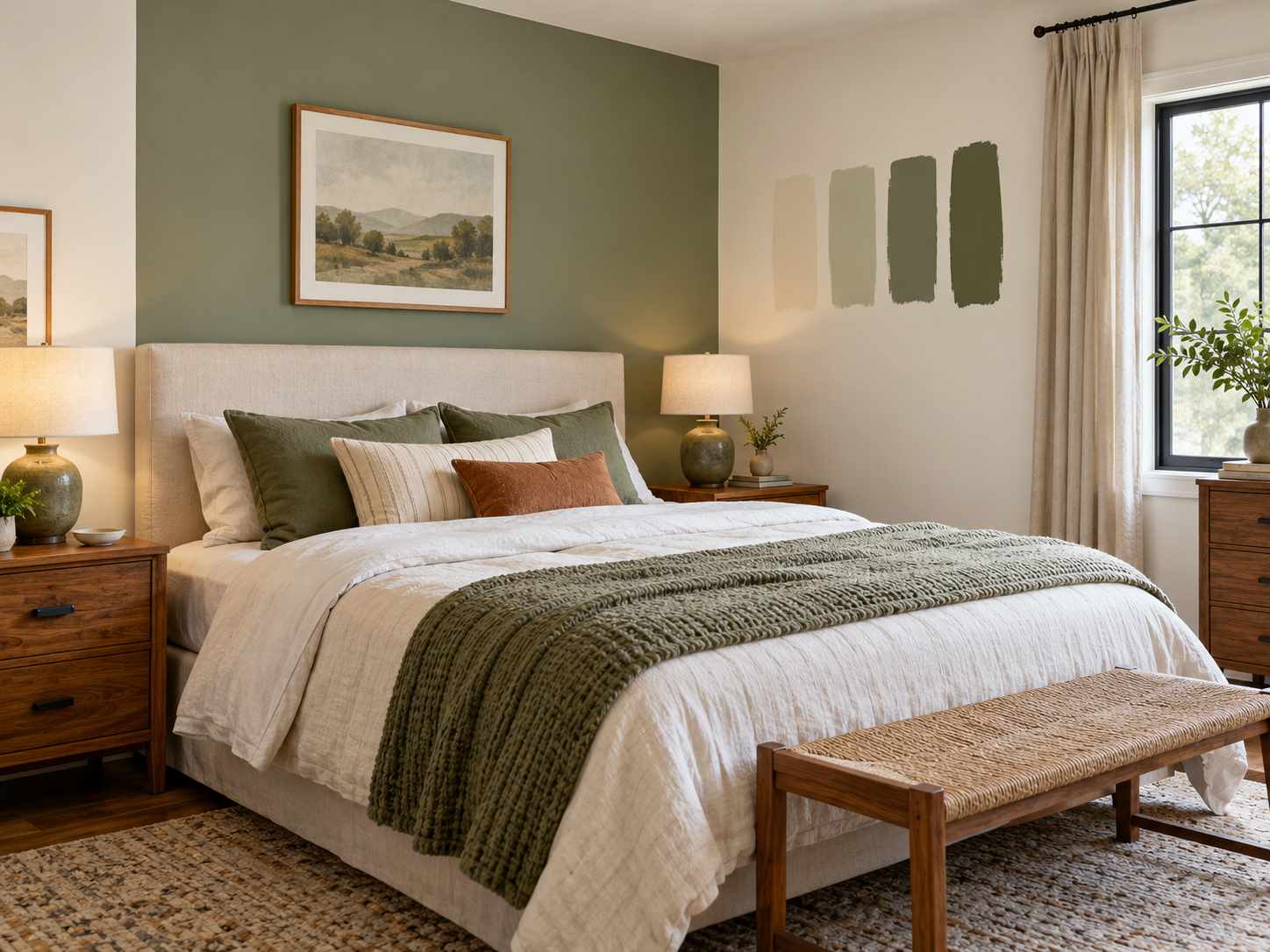
A small painted surface can provide definition when the room’s condition and permission allow it. Test the color against existing furniture and calculate the work involved. Preparation and suitable materials matter more than choosing the smallest apparent paint expense.
14. Repair a Loose or Worn Detail
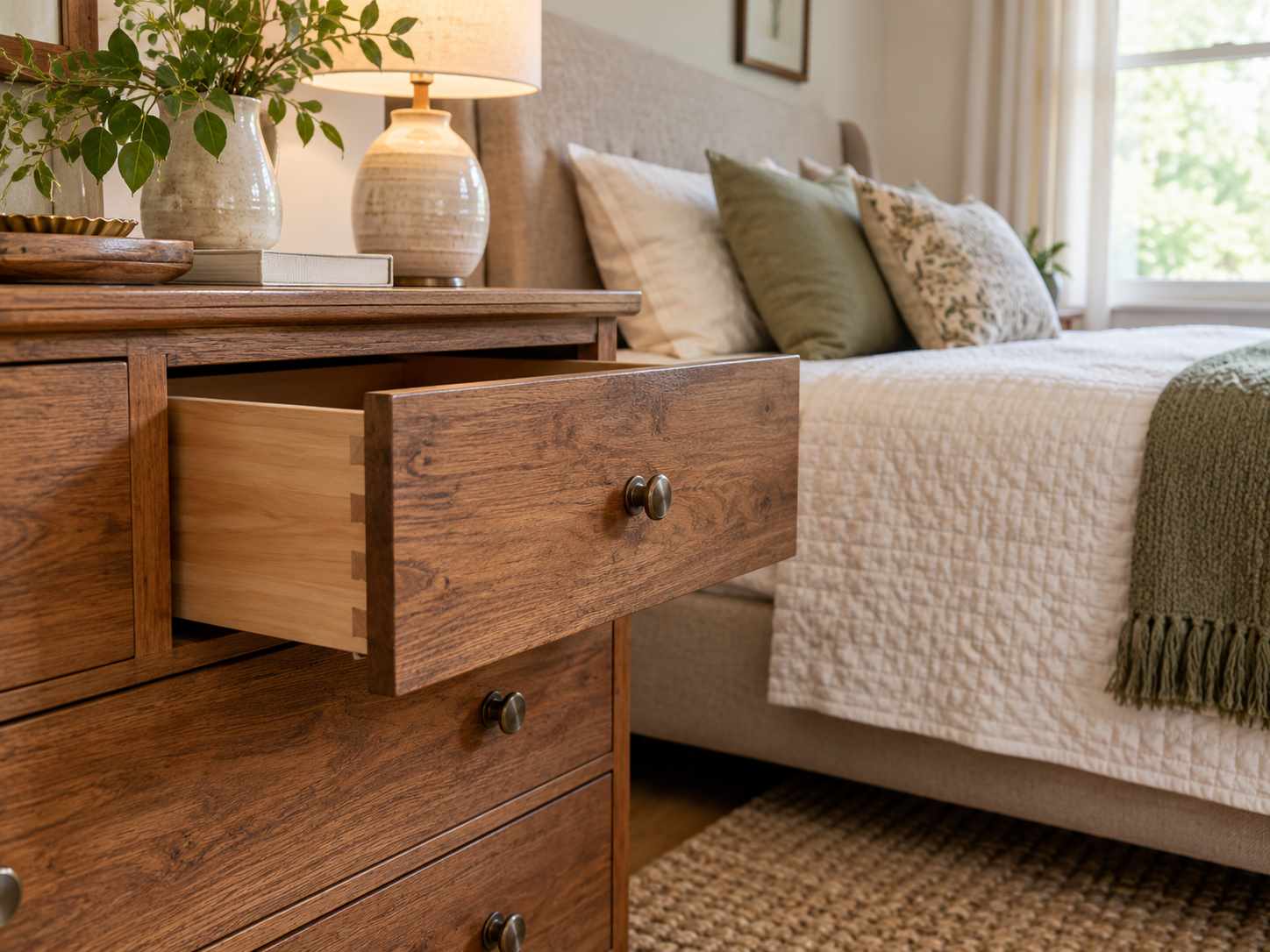
A repaired drawer, tightened fitting, or properly mended textile can make the room feel more cared for. Use an appropriate repair method and qualified help where needed. Do not disguise a structural or electrical problem with a decorative change.
15. Use a Personal Photograph as a New Print

A photograph you own can become meaningful artwork without buying a generic decorative image. Choose a size that works with an existing frame and check print quality. A quiet landscape can connect room colors while keeping the wall personal.
16. Shop Secondhand by Measurements First
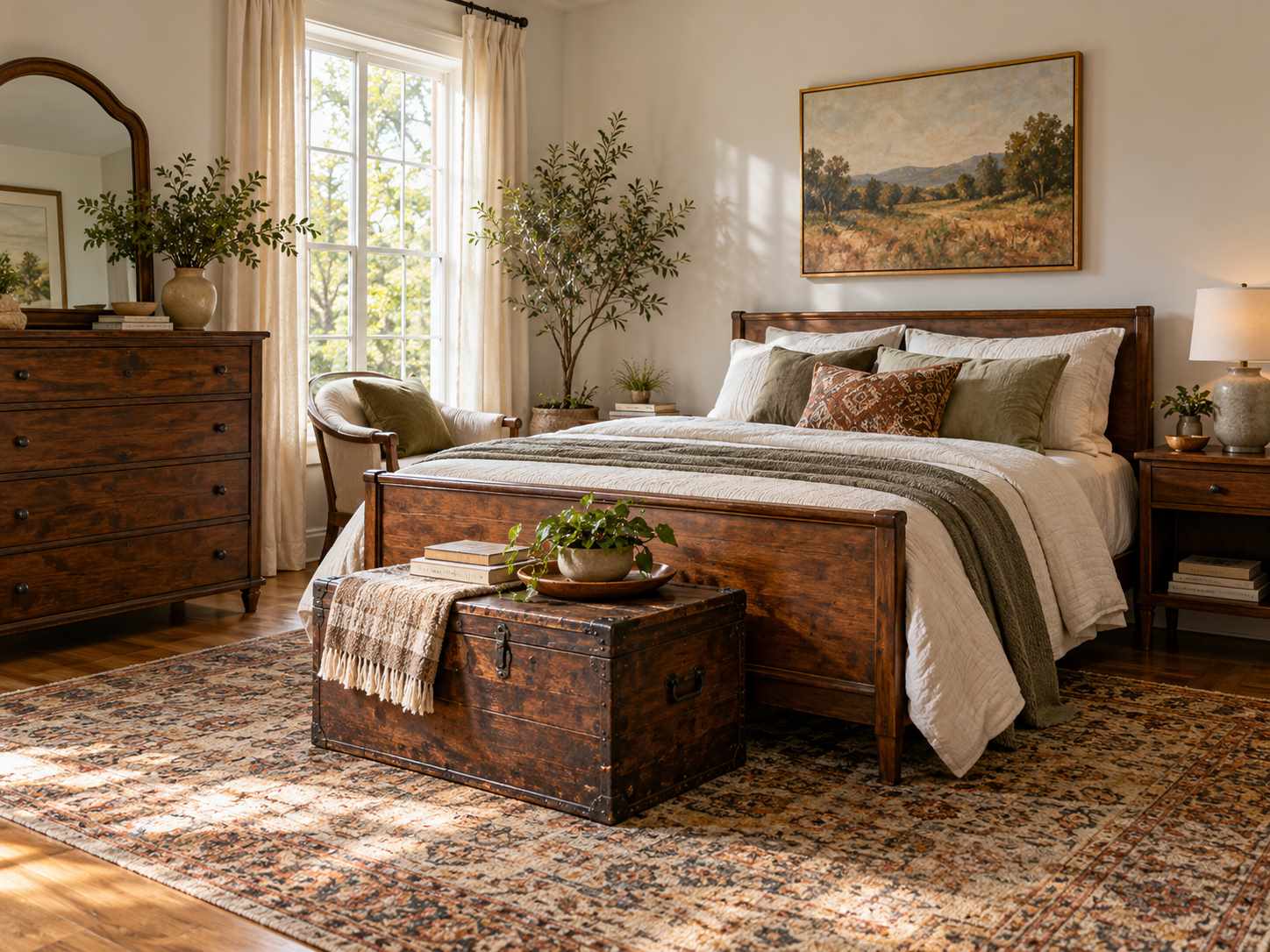
If a new piece is needed, write down its maximum size and required function before browsing. Inspect condition and consider repair or transport needs as part of the cost. A low purchase price is not useful if the furniture does not fit or work.
17. Leave the Final Corner Empty
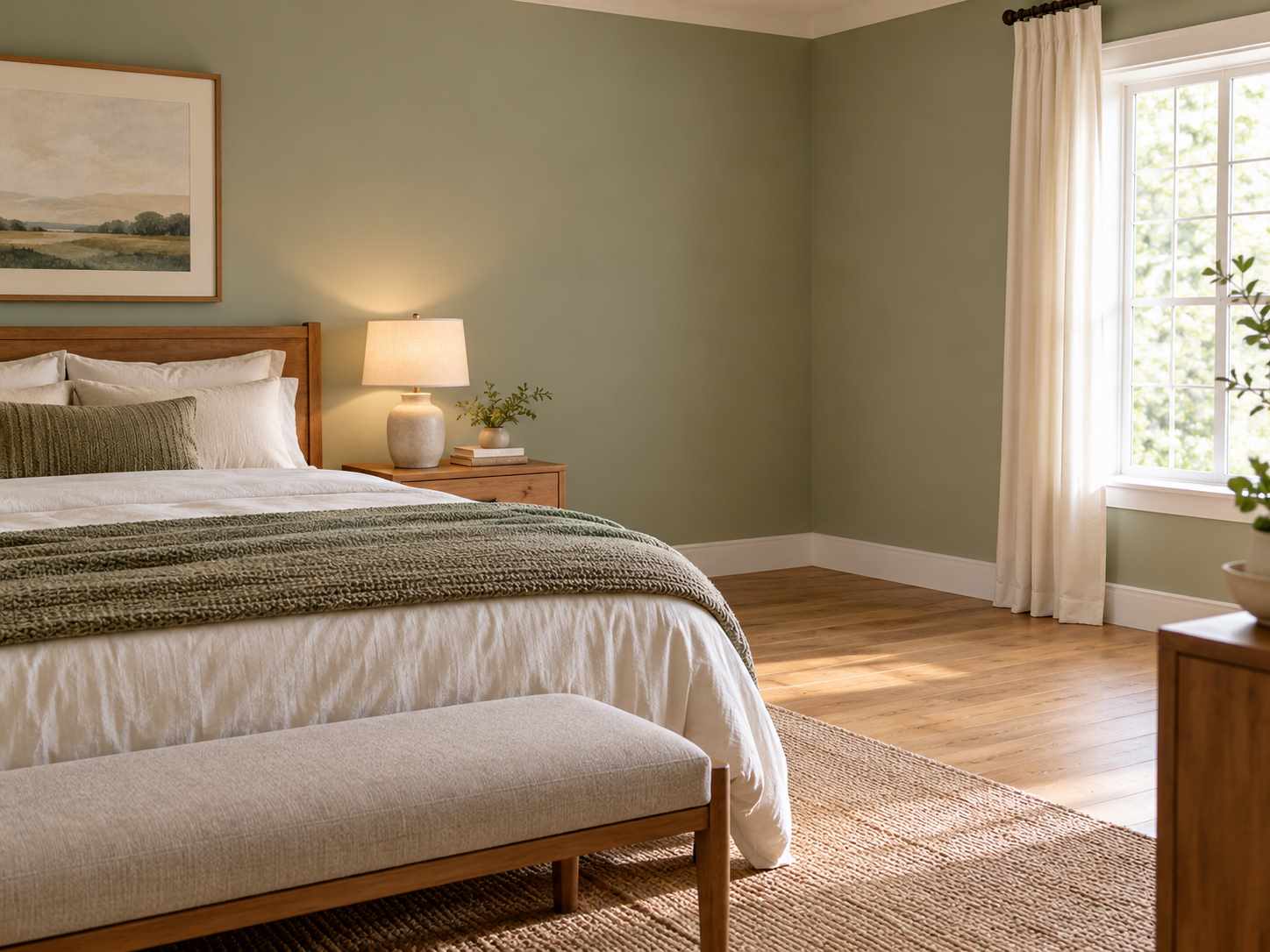
An open corner can give the room more breathing space than another small purchase. Remove items that do not support a routine and live with the clearer arrangement for a while. Use the space later only when a specific need becomes apparent.
Frequently Asked Questions
Where should I start with a limited budget?
Identify the most frustrating part of the room and try a layout or storage change first. Spend only after you know what a purchase needs to solve.
Can I refresh mismatched bedding?
Yes. Simplify the layers and use one shared color or texture to connect them. You may not need a completely new set.
Is secondhand furniture always cheaper?
Not once repair, transport, and suitability are considered. Check the complete cost and condition before buying.
What can I change without buying anything?
Rearrange furniture, edit surfaces, regroup artwork, and move suitable textiles or lamps from elsewhere. Keep the room’s practical needs in view.
How do I avoid repeated small purchases?
Set a clear palette and list the function of any item before shopping. Leave an unfinished area alone until you know what it actually needs.
Related Decorating Guides
- 17 Bedroom Refresh Ideas for a More Restful-Looking Room
- 17 Bedroom Ideas for Small Rooms That Keep Space Useful
- 17 Bedroom Wall Art Ideas for a Personal, Balanced Room
Conclusion
Start with the layout and pieces already available, then make one focused change at a time. A clearer bed, useful light, and an edited surface can do more than several unrelated accessories. Save the ideas that solve your room’s main problem before spending.
Browse more palettes and furnishings in our bedroom collection.