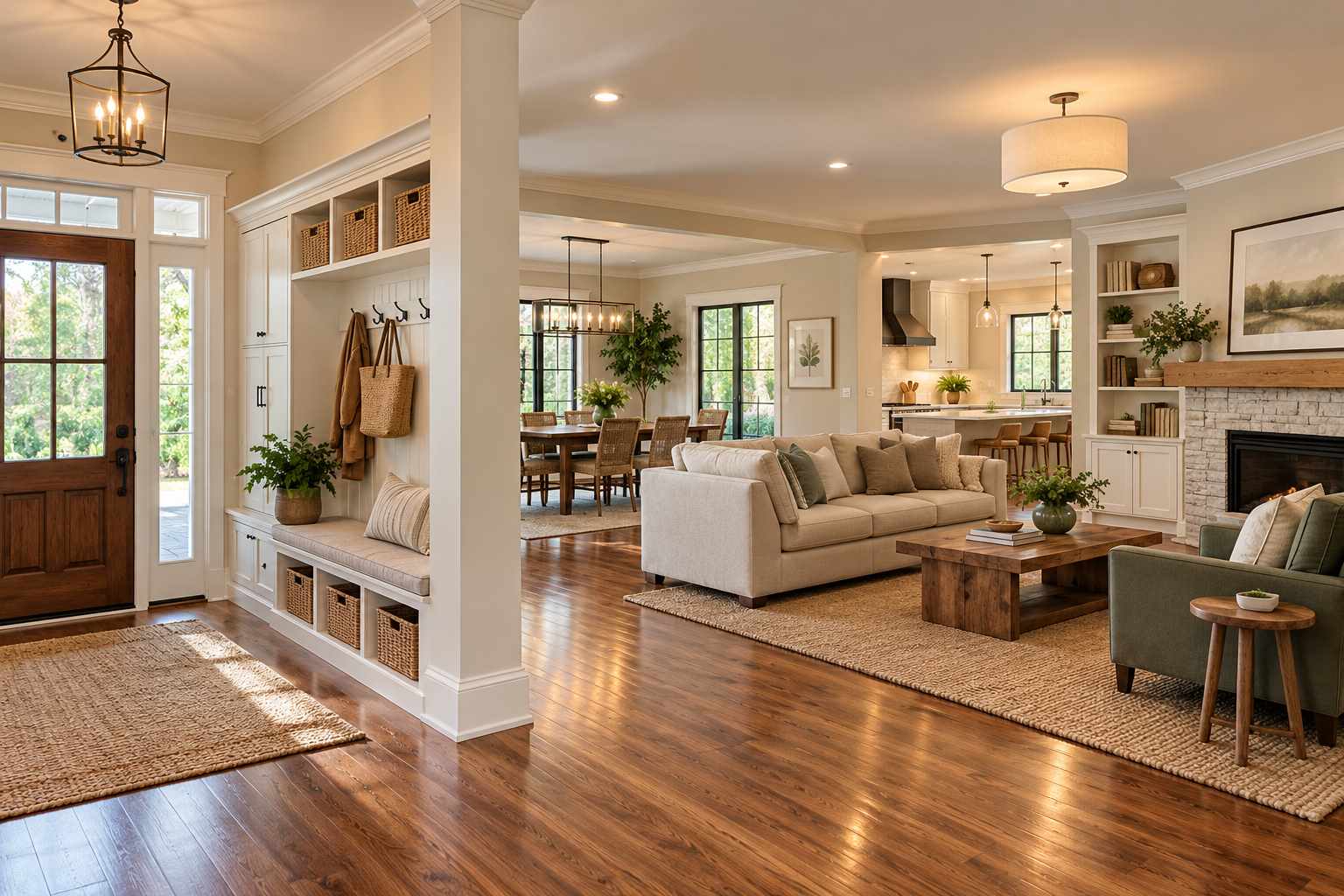
Home upgrades can improve daily use and presentation, but they do not guarantee a higher sale price or recovery of their cost. The right priorities depend on the property’s condition, local buyers, and how long you expect to stay. These home upgrades to consider for usefulness and resale start with maintenance and practical improvements before larger cosmetic changes. Get local professional advice and compare written scopes before spending. The ideas below are planning prompts, not a ranking of returns or a substitute for a condition assessment.
Key Takeaways
- Address condition and maintenance before purely decorative changes.
- Compare costs and local market relevance before major work.
- Choose improvements that remain useful even if resale gains are uncertain.
1. Repair Visible Water Damage at Its Source
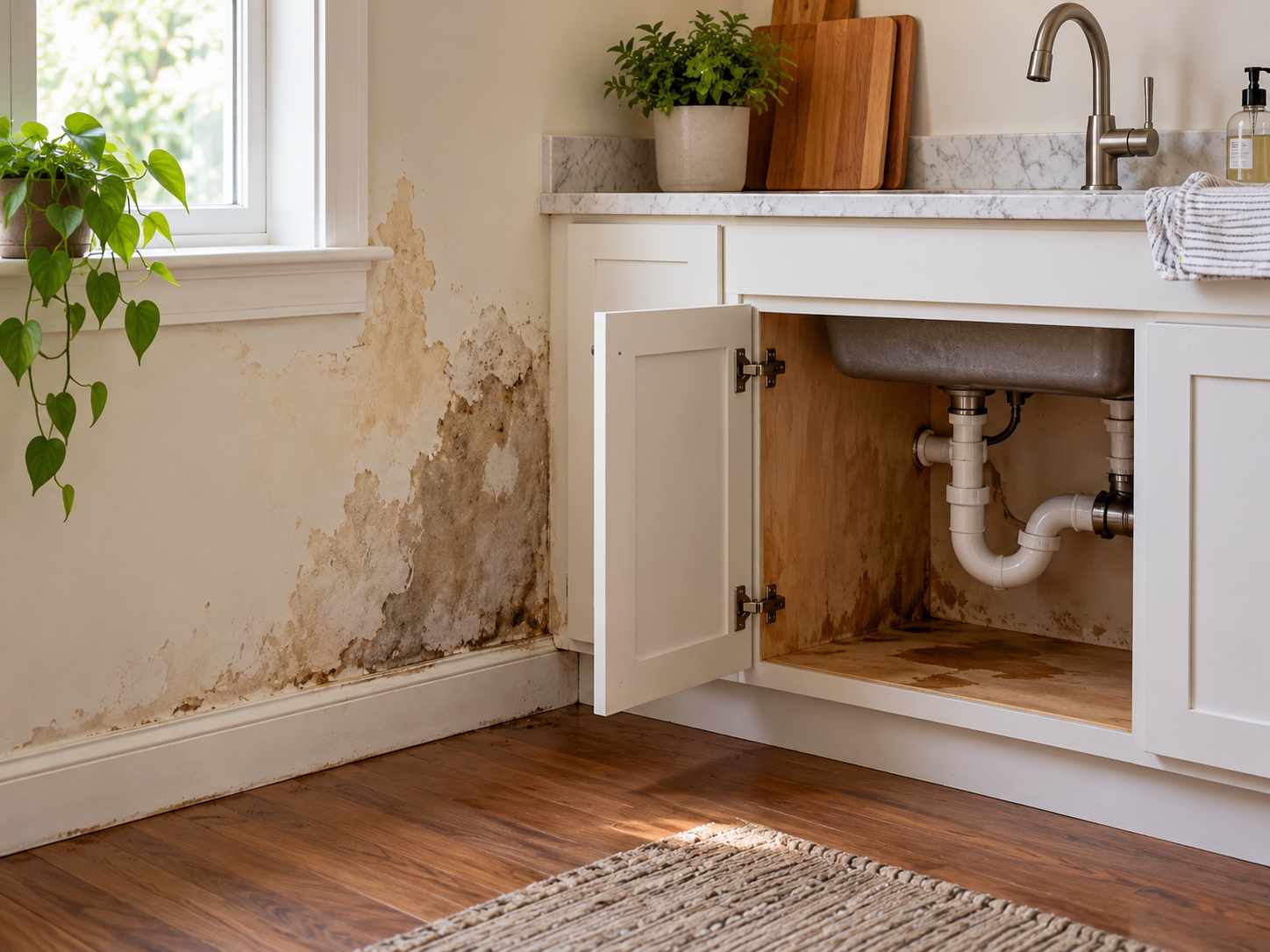
A stained wall or damaged cabinet needs diagnosis before a cosmetic cover-up. Have the cause assessed and corrected, then repair the affected surfaces appropriately. Fresh paint alone can conceal a continuing problem without improving the property’s condition.
2. Refresh Worn Interior Paint
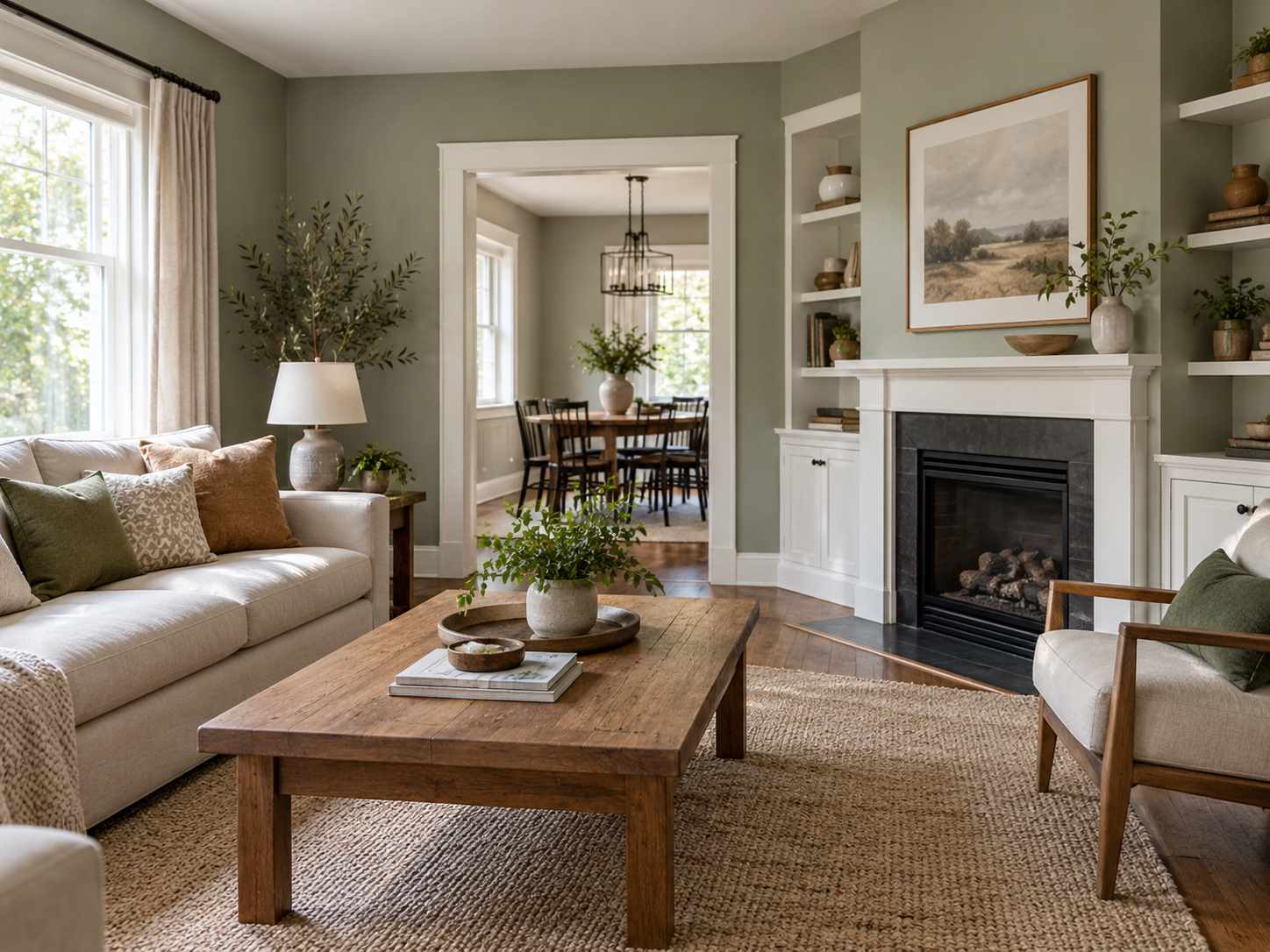
Sound walls with worn finishes may benefit from proper preparation and a coherent paint palette. Repair the substrate before coating it and choose suitable products for each room. A restrained finish can improve presentation, but its resale effect depends on the property and buyer.
3. Improve the Main Entry’s Practical Details
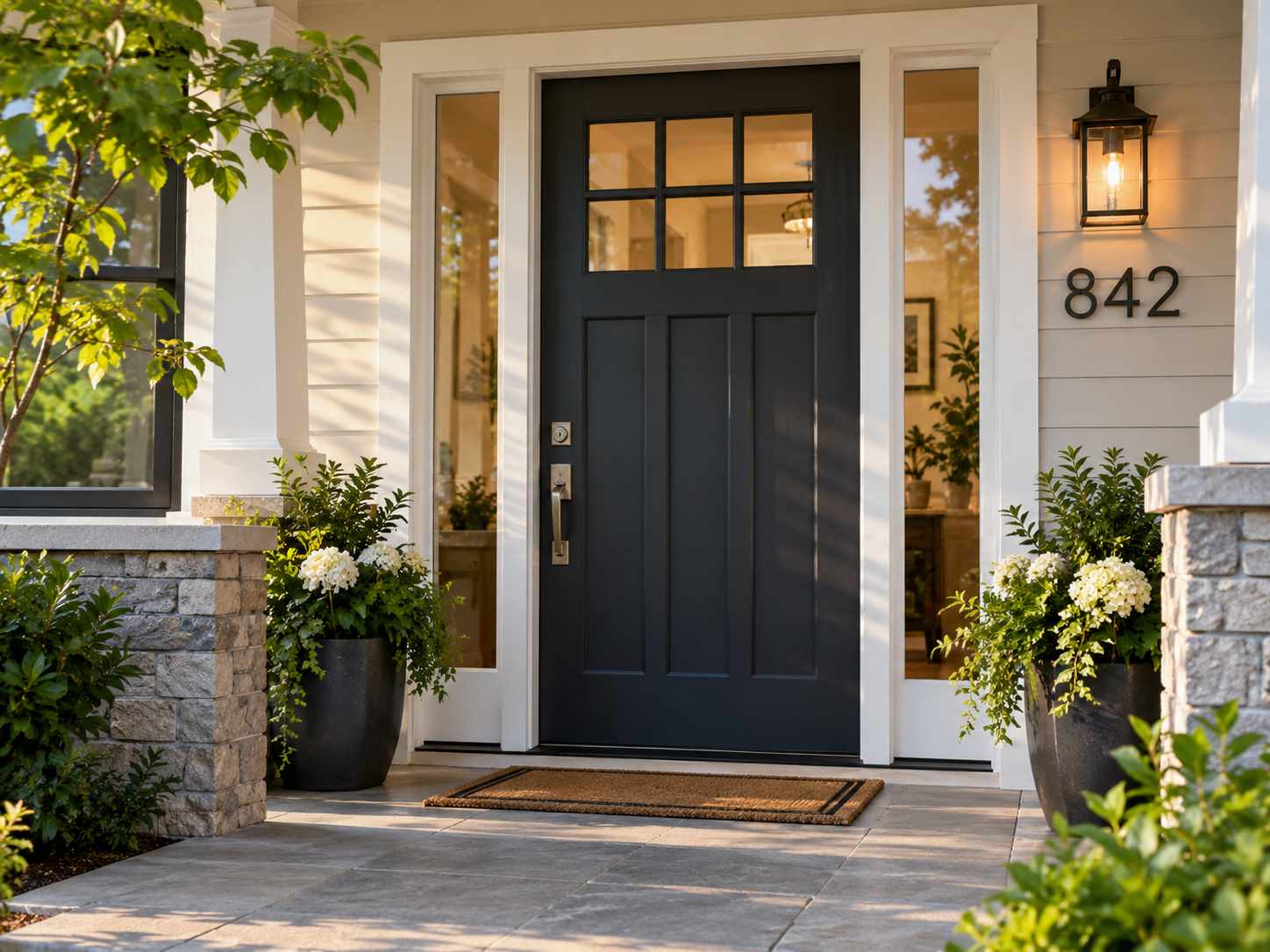
A working latch, clear house identification, and appropriate lighting can make the entrance easier to use. Check repair needs before buying decorative accessories. Any electrical changes or security work should be carried out appropriately rather than improvised for appearance.
4. Replace Damaged Cabinet Hardware
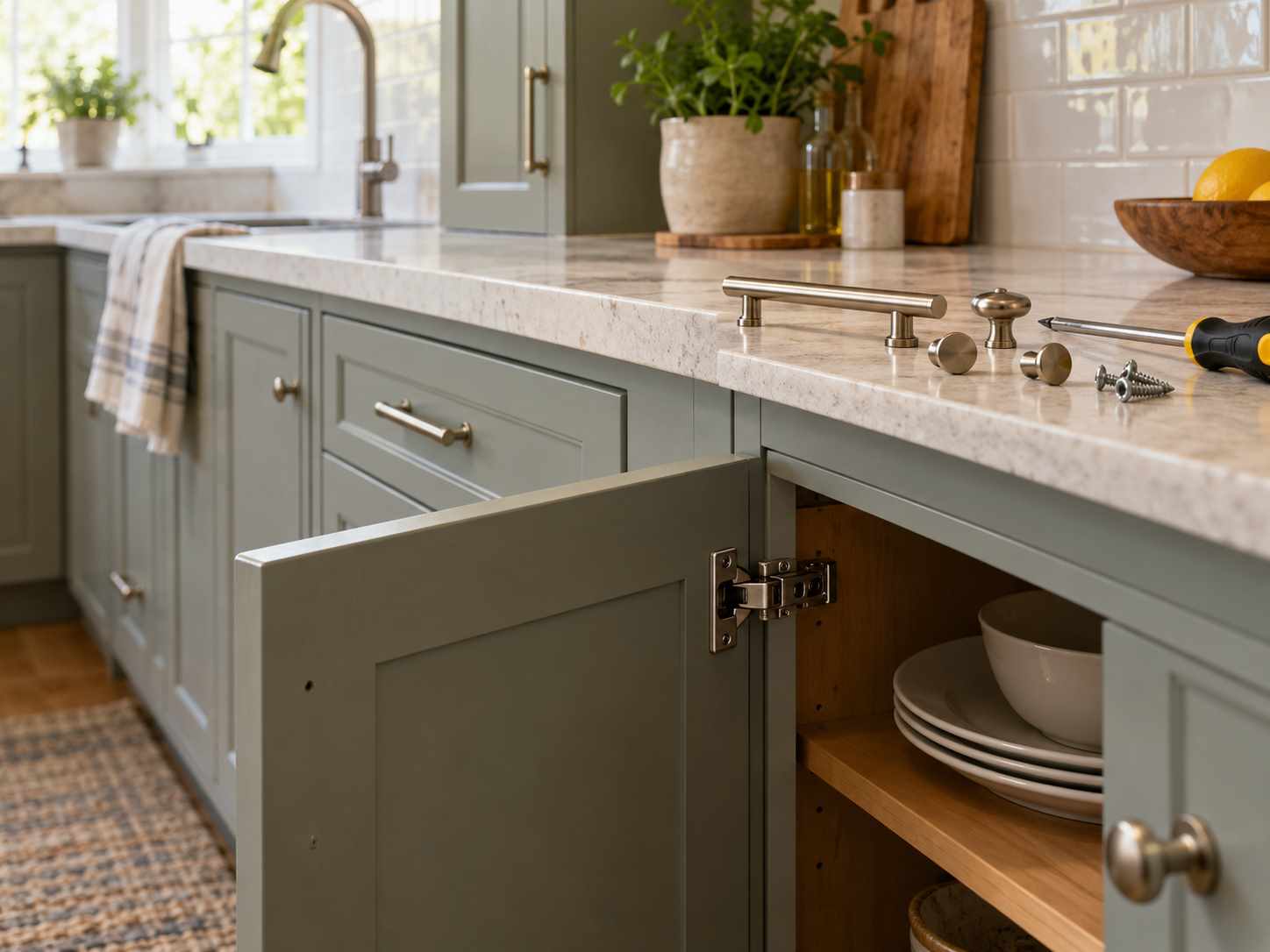
Working handles and hinges can improve the use of existing cabinets without replacing the whole installation. Match fixing dimensions before buying parts and check that doors still align properly. If the cabinet structure is failing, hardware alone will not resolve the underlying issue.
5. Plan Better Task Lighting in the Kitchen
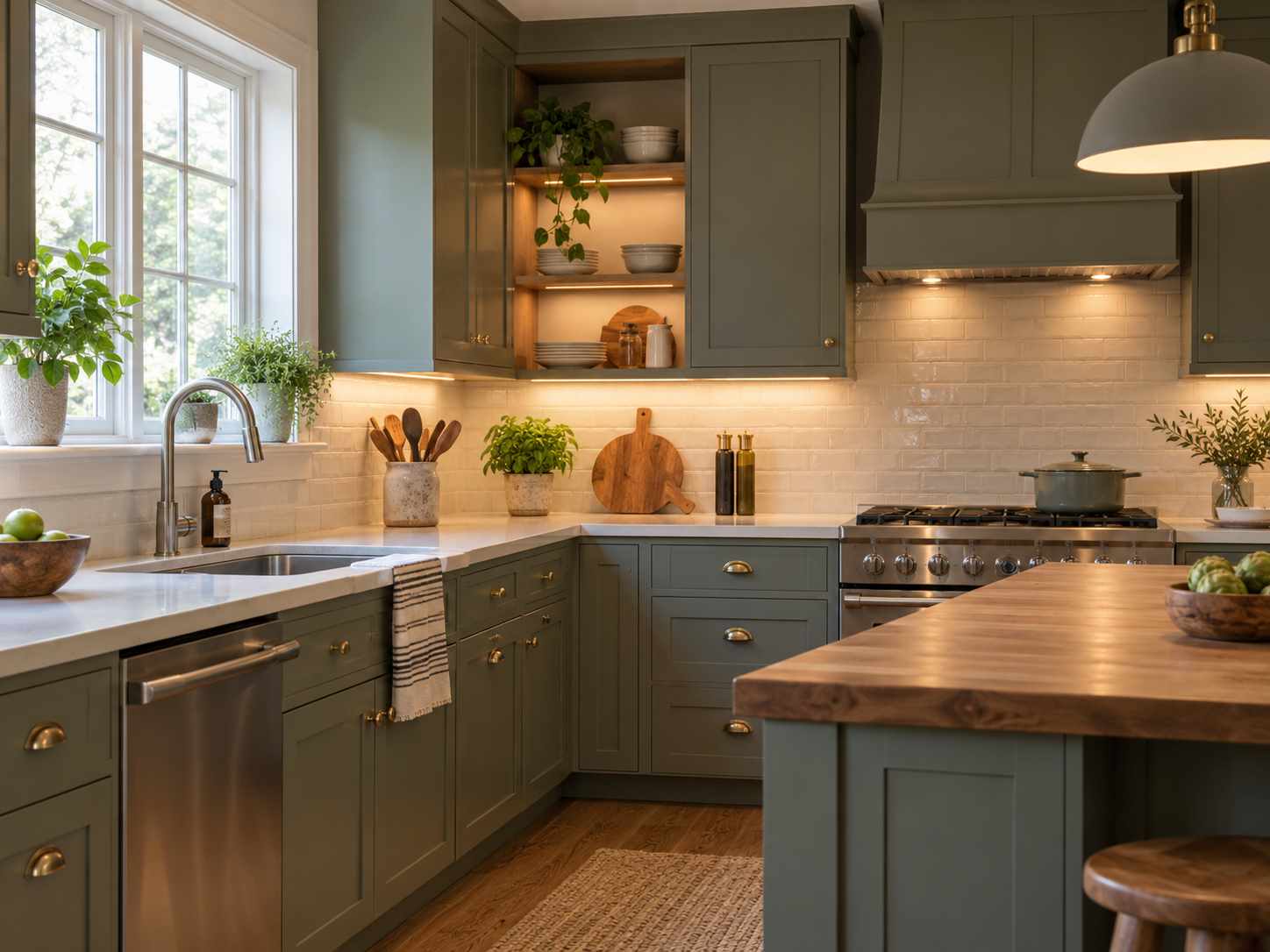
Useful lighting can improve an existing kitchen without changing its footprint. Have a qualified electrician assess the location, wiring, and suitable fittings. Focus on preparation and washing areas rather than adding decorative fixtures that leave the work surface in shadow.
6. Update a Worn Bathroom Vanity Appropriately
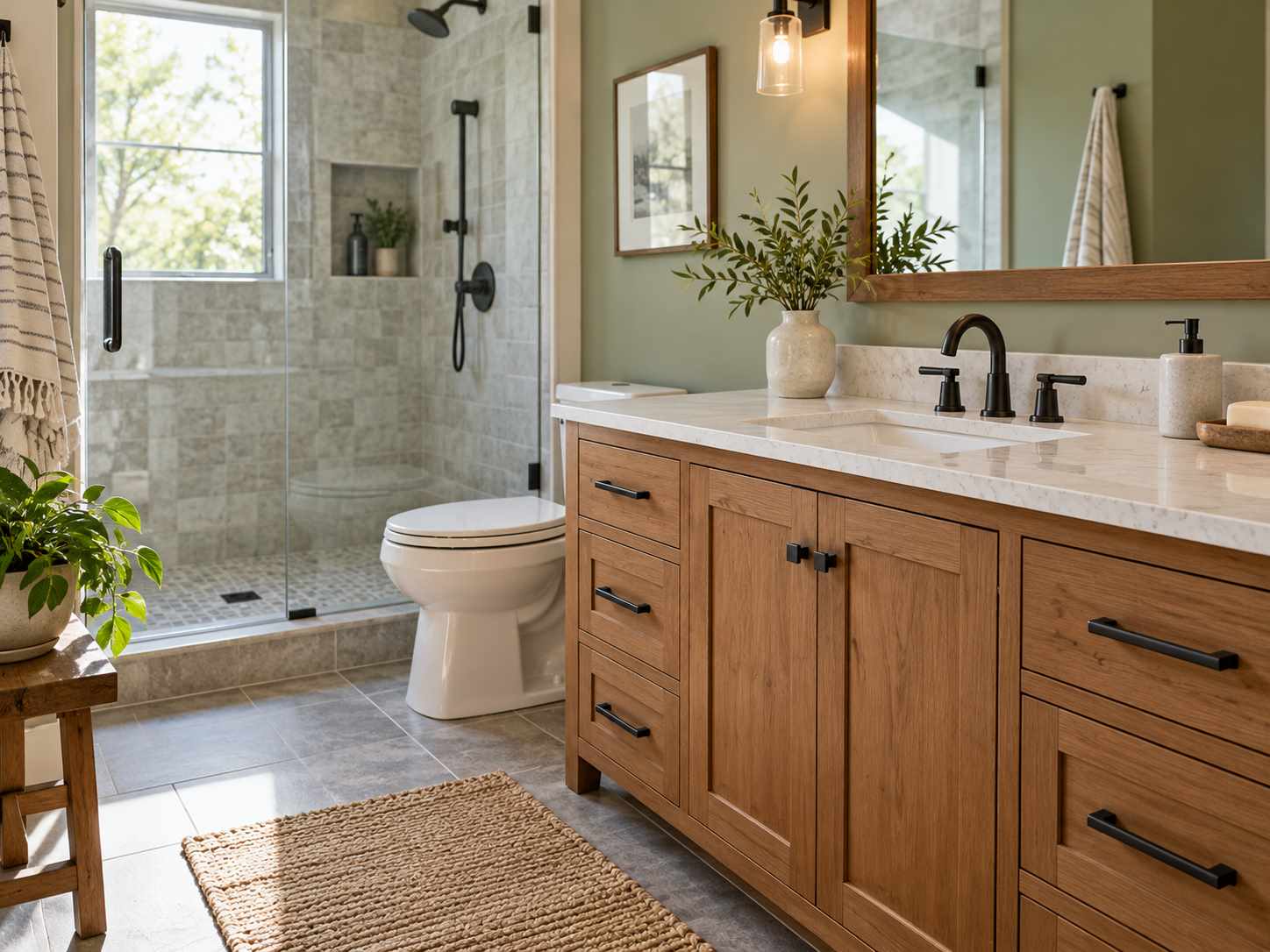
A replacement vanity may improve storage and presentation where the existing unit is damaged or unsuitable. Check plumbing, ventilation, moisture protection, and dimensions before selecting a product. Keep specialist work within a properly scoped project rather than treating the cabinet as a standalone purchase.
For practical arrangements of books and decorative objects, see our open-shelf styling guide.
7. Organize an Underused Closet
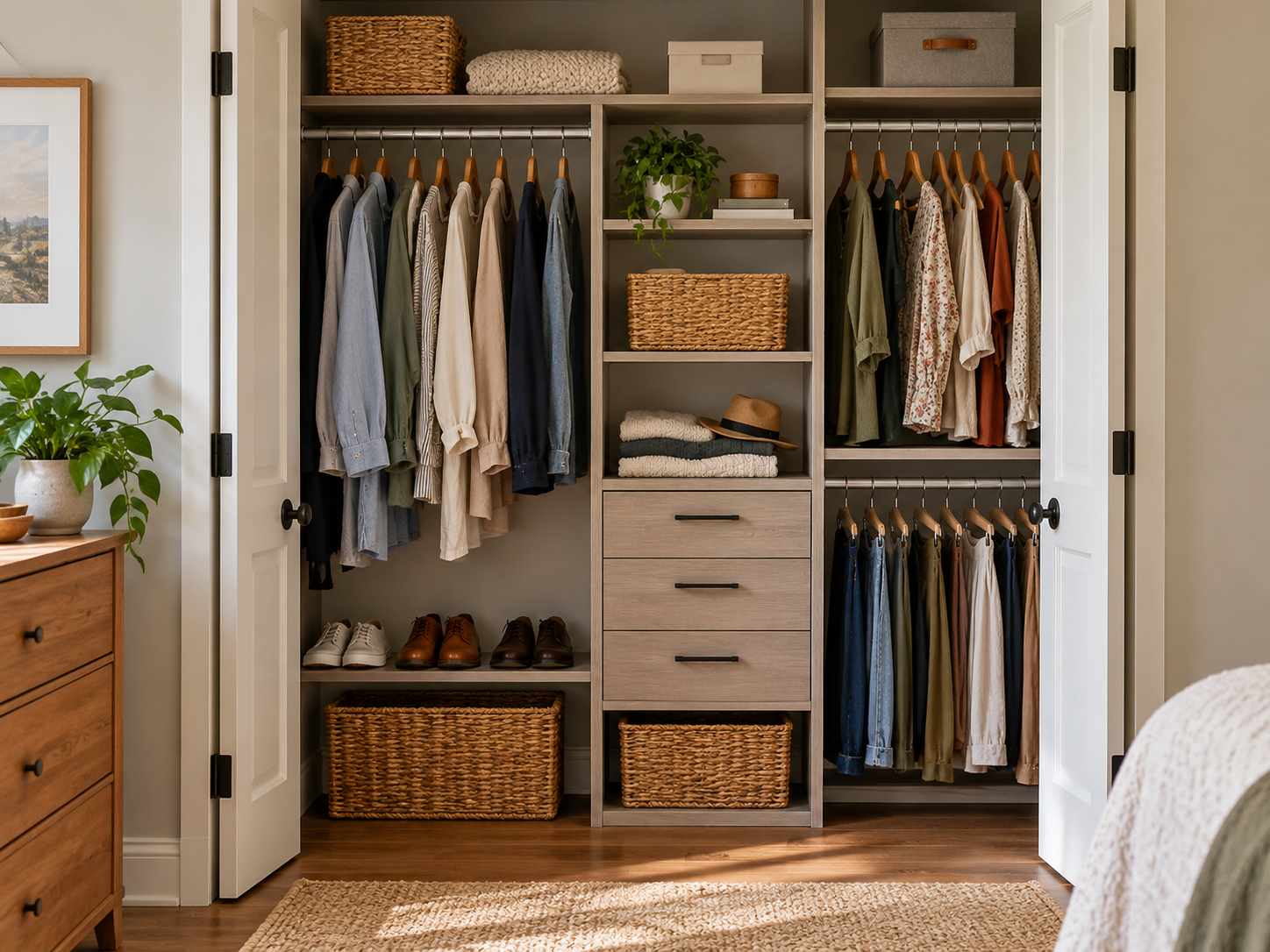
A fitted or adjustable storage arrangement can make existing space more useful. Measure the items to be stored and choose appropriate fixings and loads. A simple well-planned closet may serve daily life better than decorative built-ins that do not suit actual belongings.
8. Repair or Refinish Sound Flooring
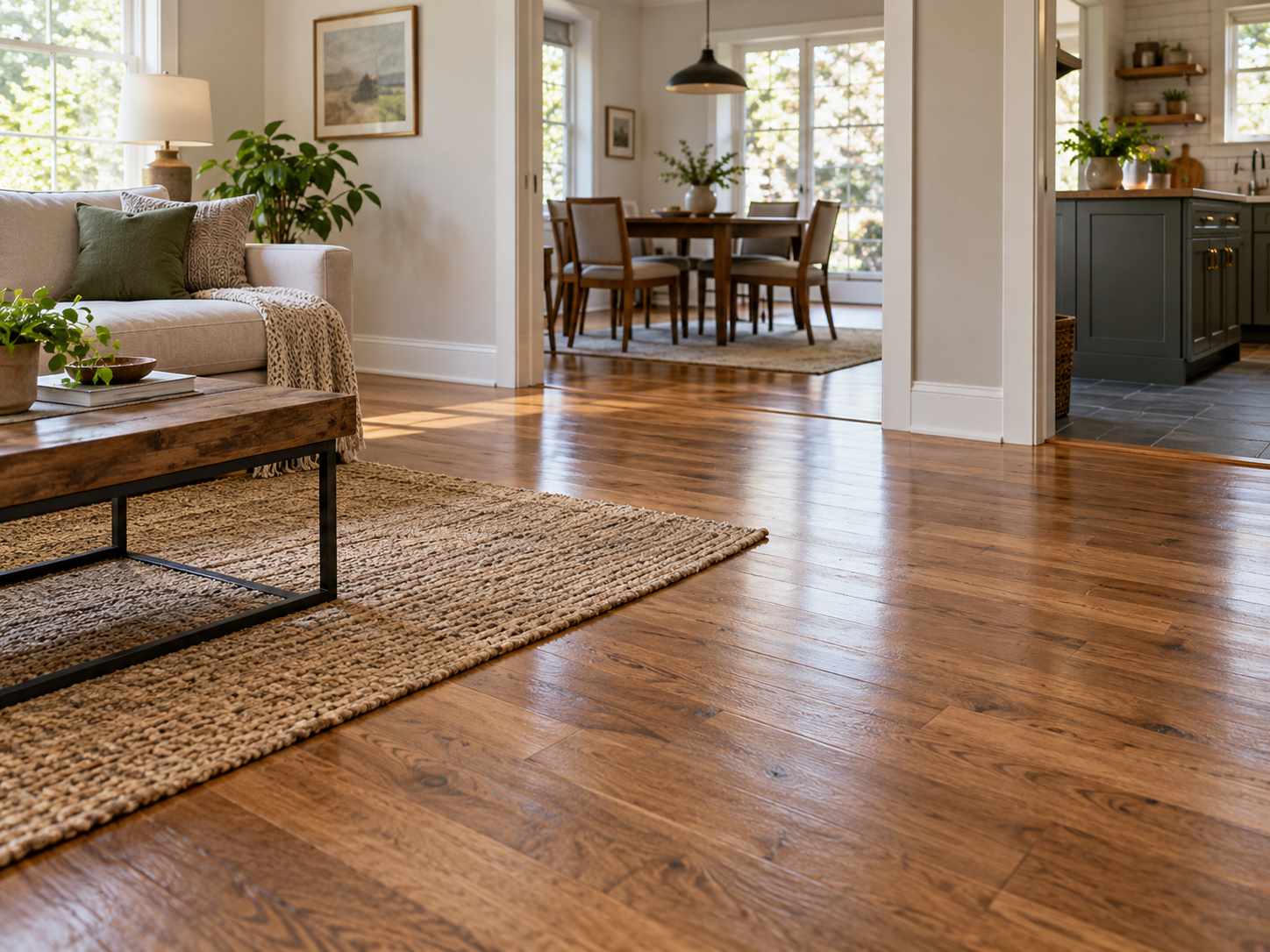
Assess whether existing flooring can be repaired before replacing it. Material, condition, and previous finishes determine what is appropriate. Obtain suitable professional advice for specialist work, and consider transitions between rooms so a single upgrade does not create awkward level changes.
9. Improve Bathroom Ventilation
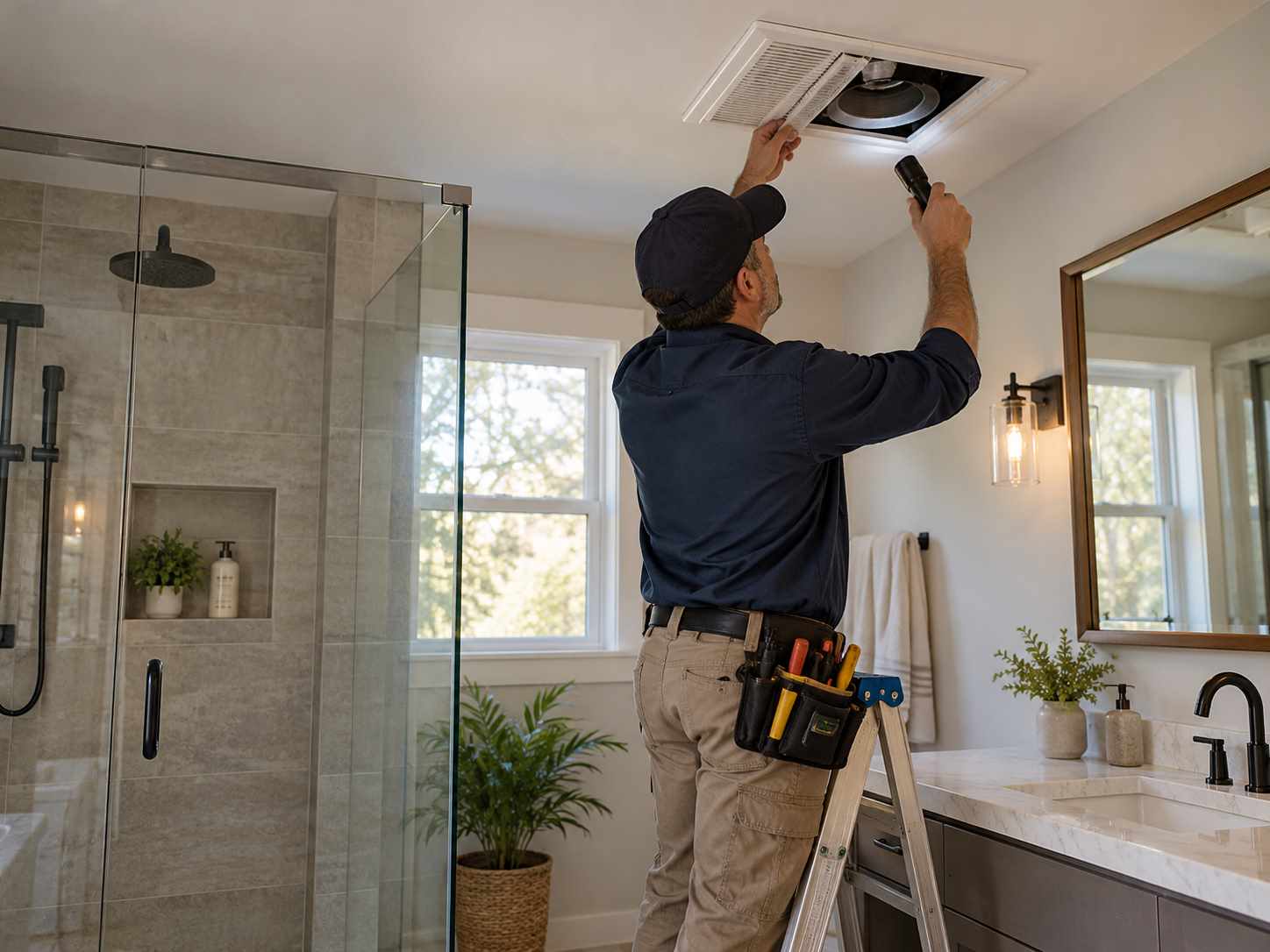
A ventilation problem needs an appropriate assessment, especially where moisture persists. Have the system and discharge arrangement checked by a qualified professional. Treat improved airflow as a functional building concern rather than a promise that a new visible fan will solve every damp problem.
10. Refresh the Laundry Work Area
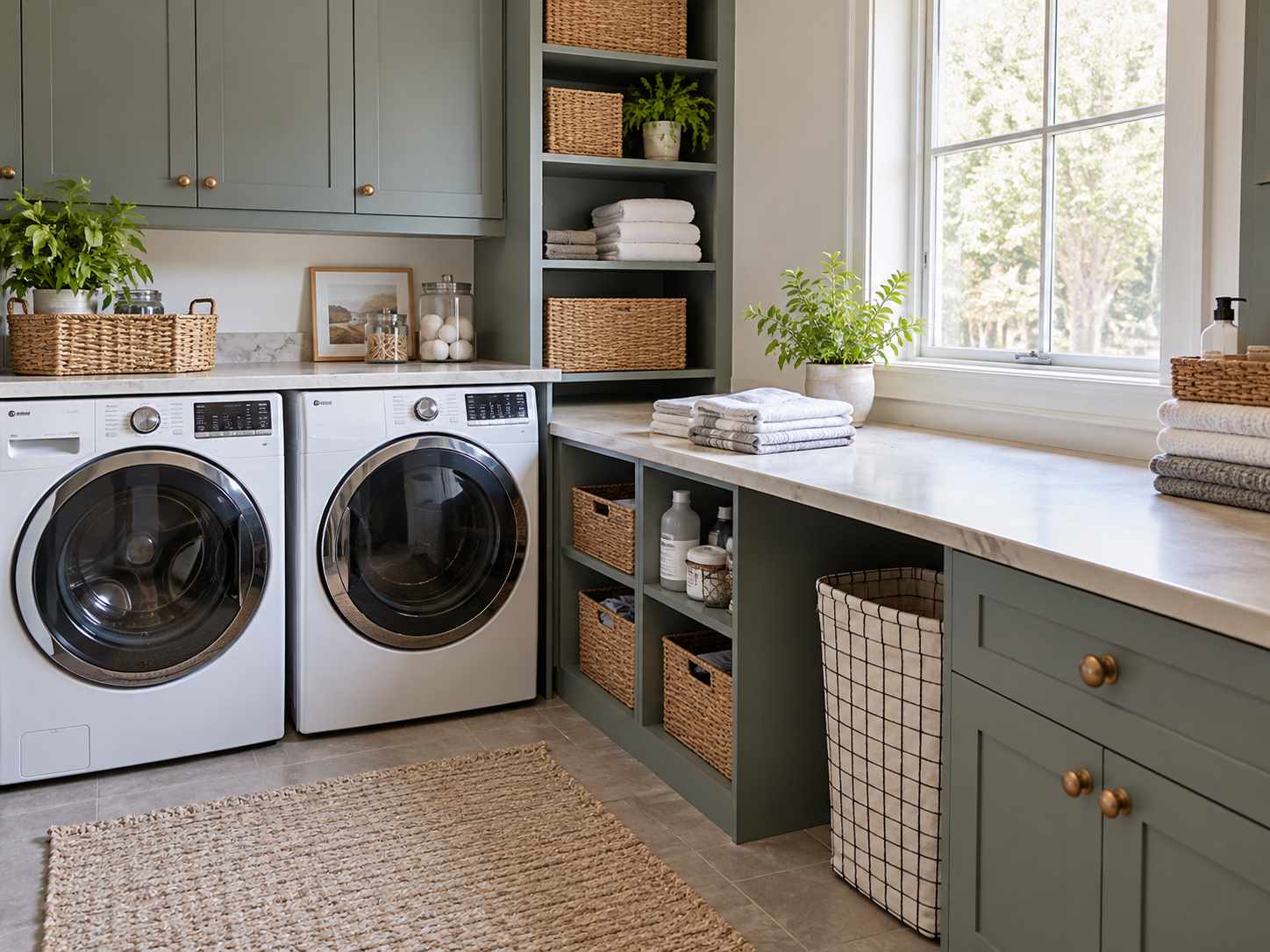
A useful folding surface and organized storage can make a laundry area easier to use. Preserve appliance access, ventilation, and required clearances. Check any new counter or cabinet installation against the actual equipment rather than designing around a generic photograph.
11. Repair Damaged Exterior Trim
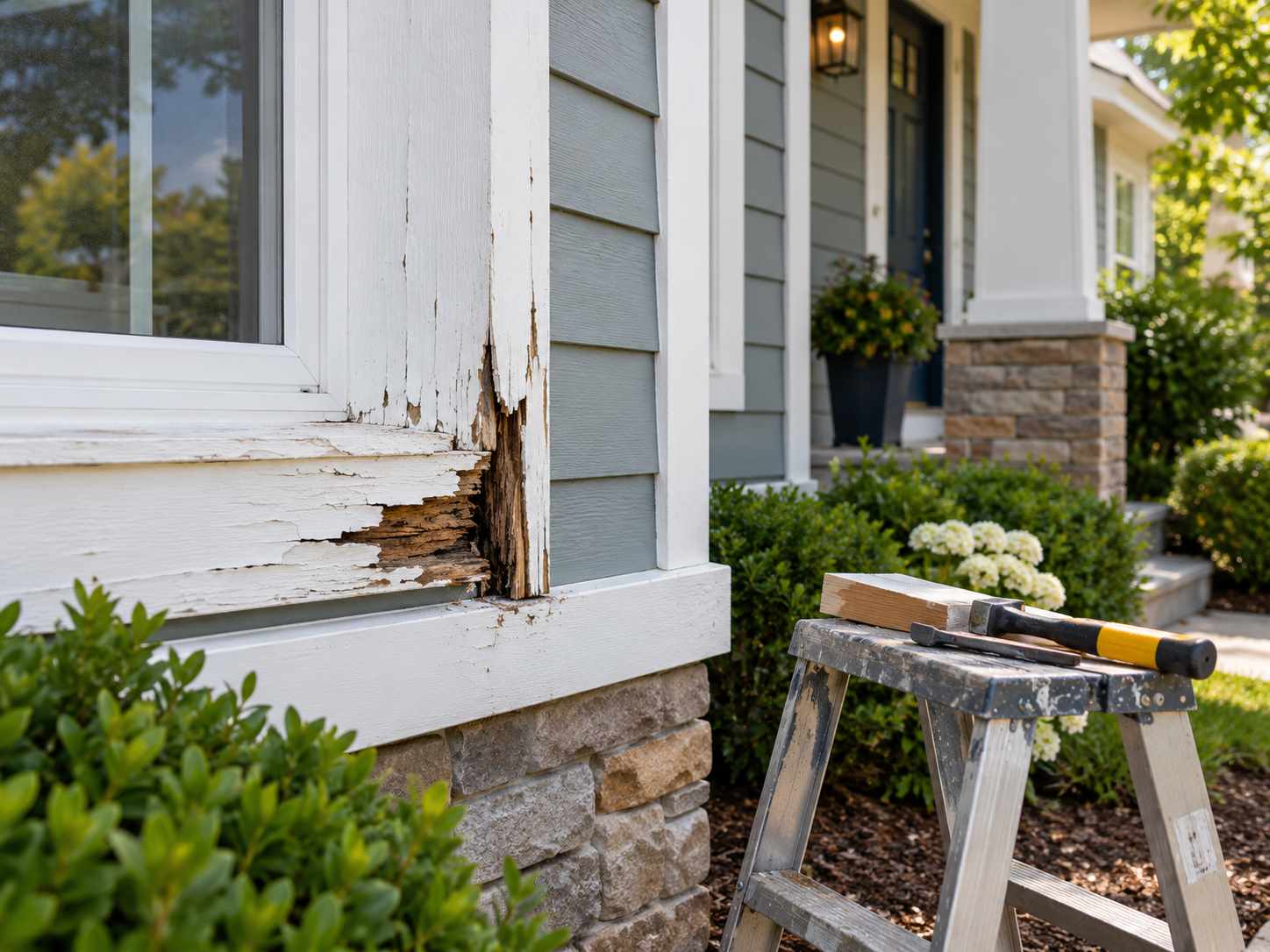
Sound exterior details contribute to a property’s maintained appearance. Identify the cause of damage and use materials and methods suited to the location. Obtain appropriate access and specialist help where needed instead of covering deterioration with a decorative finish.
12. Choose Water-Appropriate Garden Planting
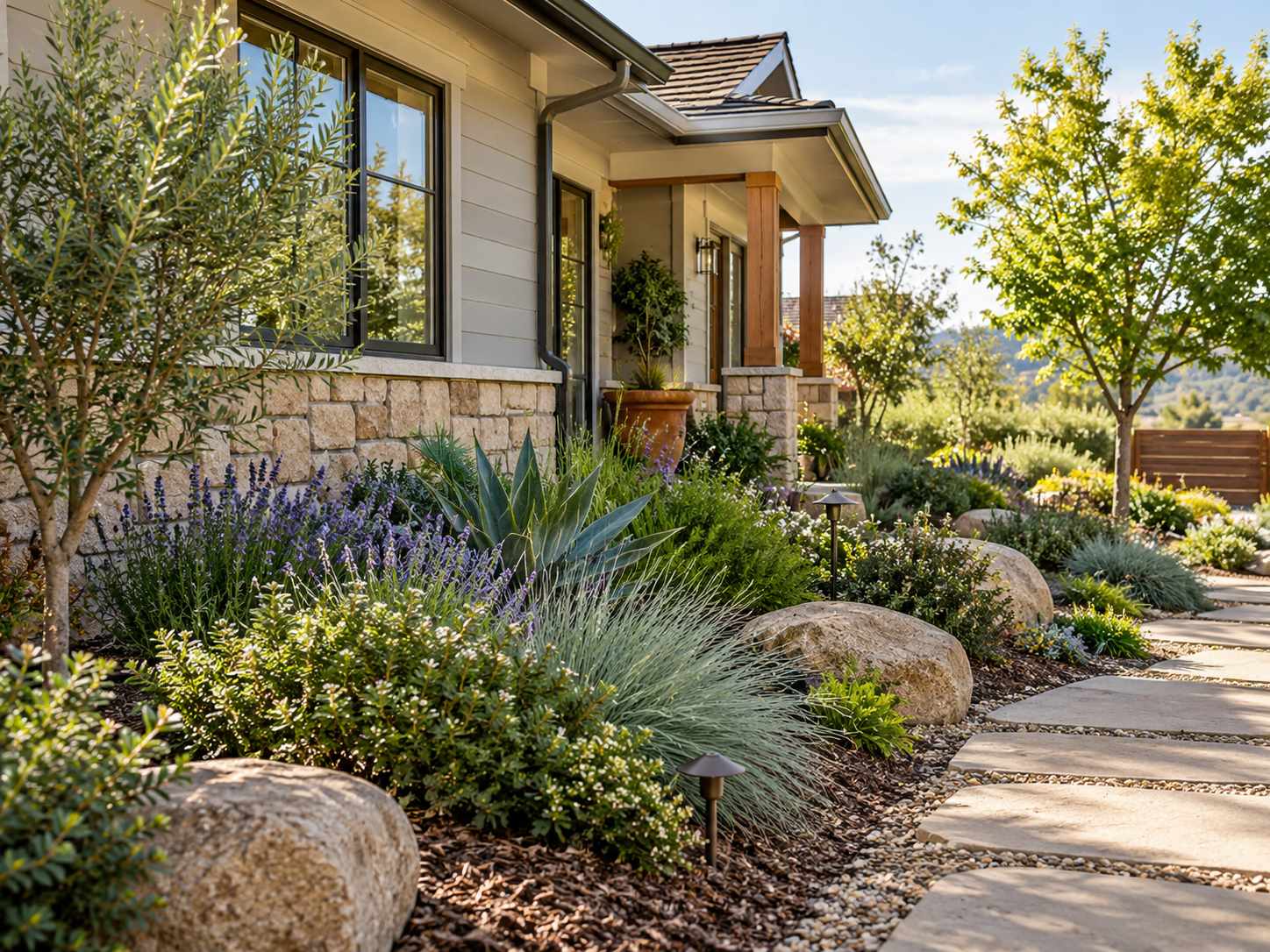
A simpler planting plan can reduce upkeep when species suit the local climate and site. Check mature size, watering needs, and proximity to the building. Landscaping costs and buyer preferences vary, so prioritize a manageable garden over assumptions about a universal resale premium.
For useful layouts in compact spaces, browse our small-space collection.
13. Replace Broken Interior Doors or Adjust Them
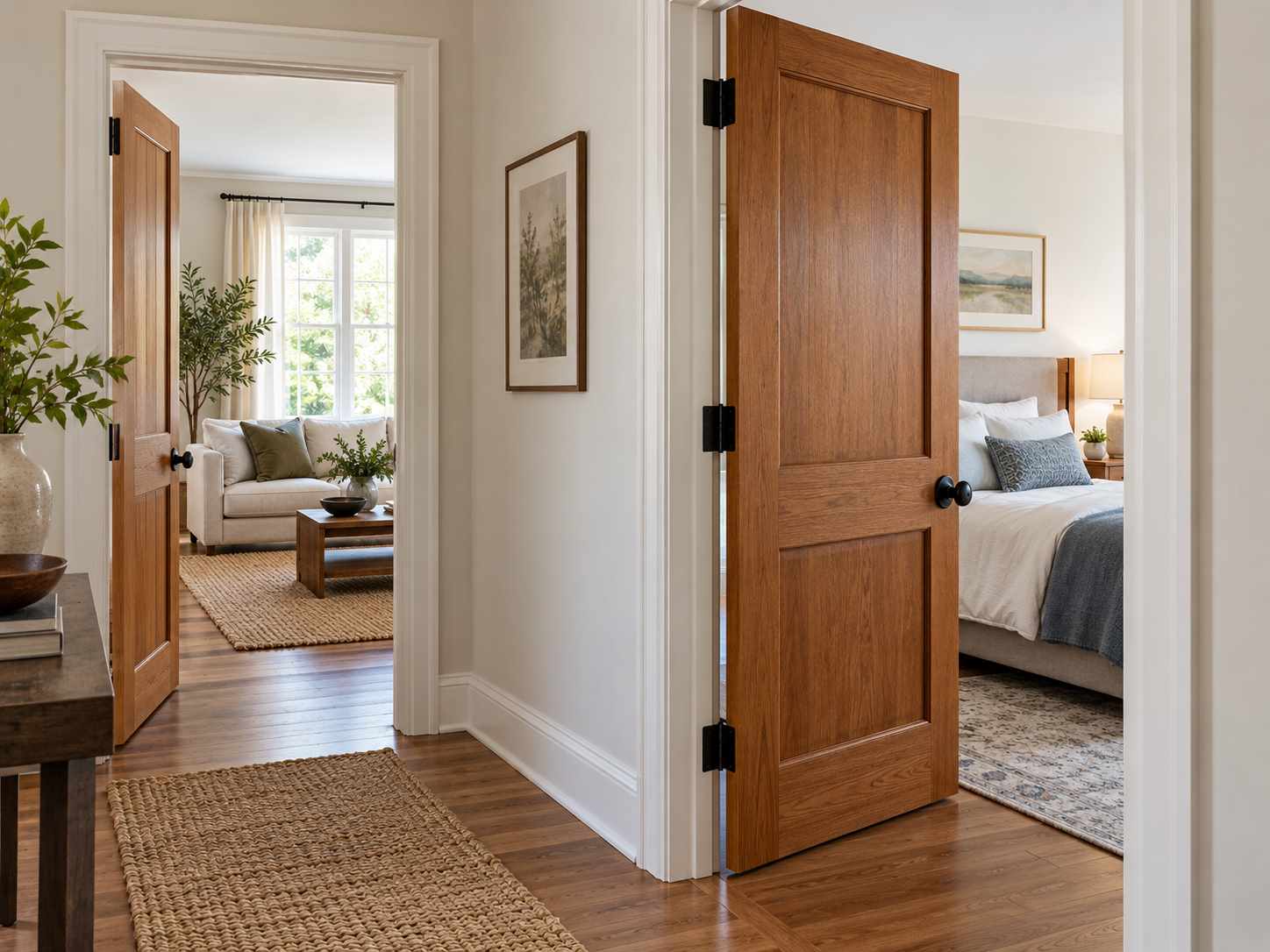
Doors should open and close correctly before their style is considered. Check whether hinges, frames, or movement in the building need attention. Choose replacements to fit the opening and requirements, and avoid altering fire-rated or other specialist doors without appropriate advice.
14. Add Useful Storage in a Small Bathroom
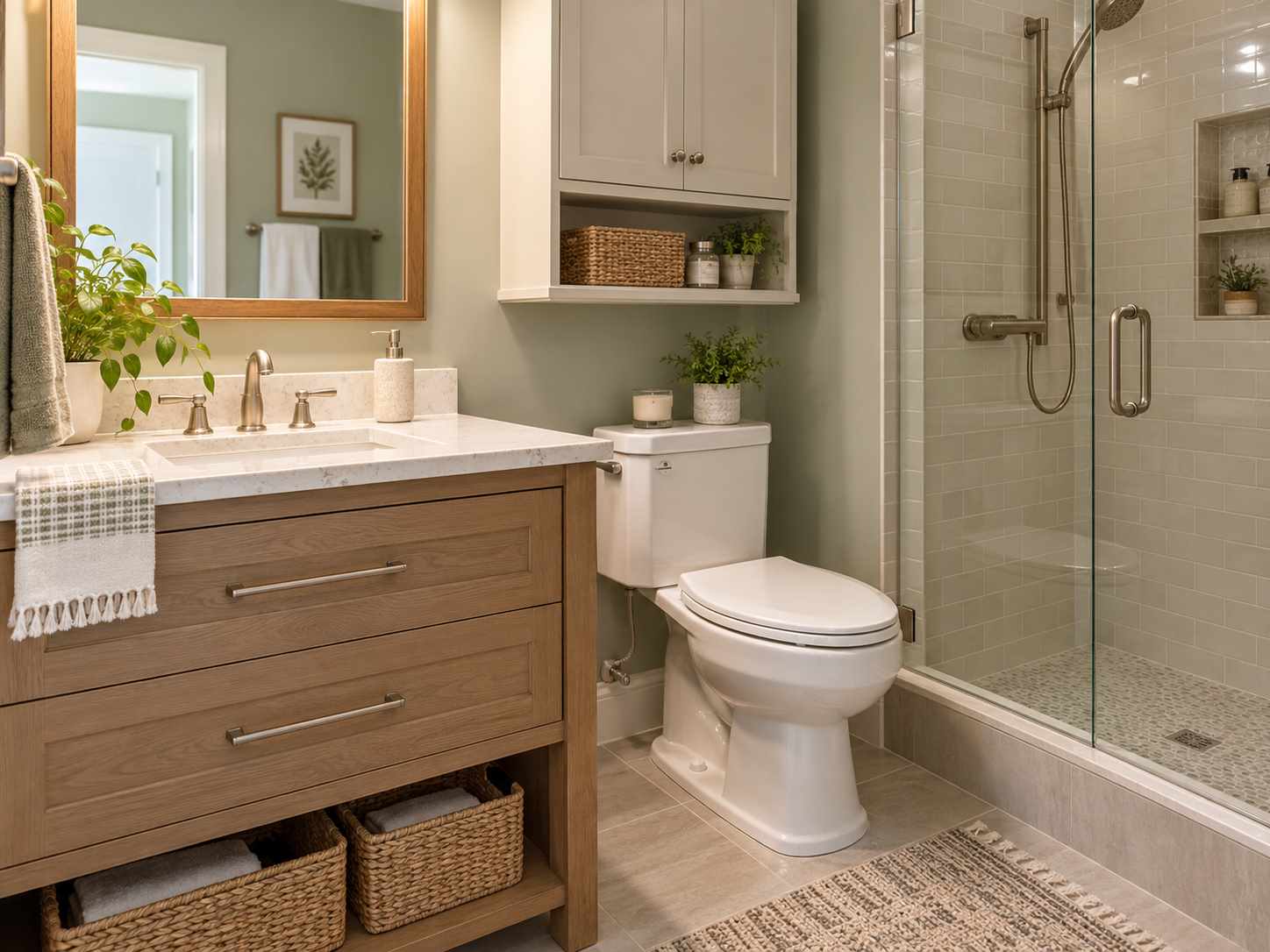
A correctly fixed cabinet or organized vanity can improve how the room functions. Check wall construction and hidden services before installation. Keep ventilation and plumbing access available, and choose materials suitable to the moisture conditions.
15. Make Outdoor Seating Space More Usable
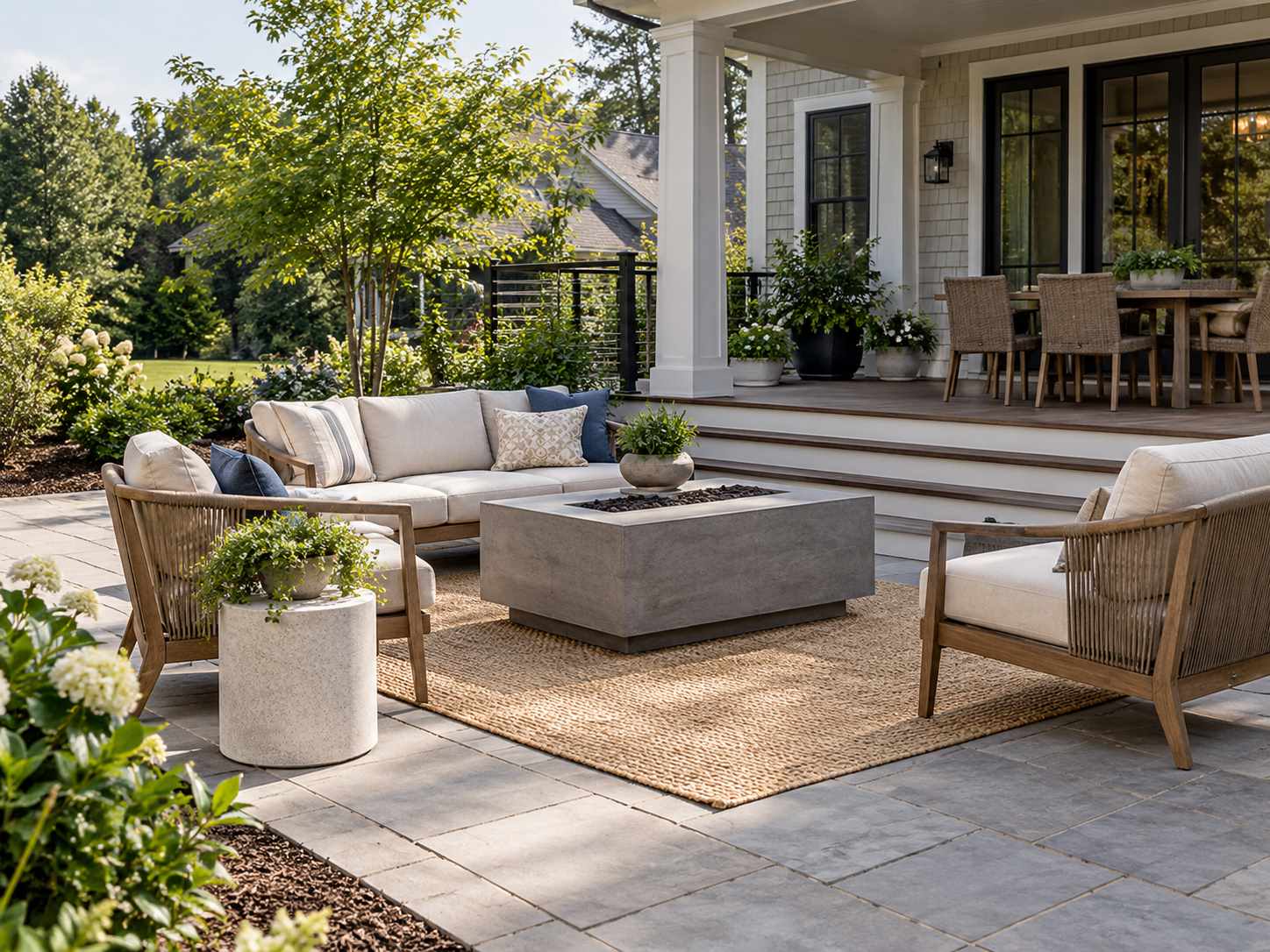
A stable, well-maintained surface and appropriately sized furniture can improve an existing outdoor area. Assess drainage, access, and structure before cosmetic changes. Larger deck or patio work needs proper planning and local checks, not an assumption that more outdoor square footage always adds value.
16. Assess Energy Improvements with Qualified Advice
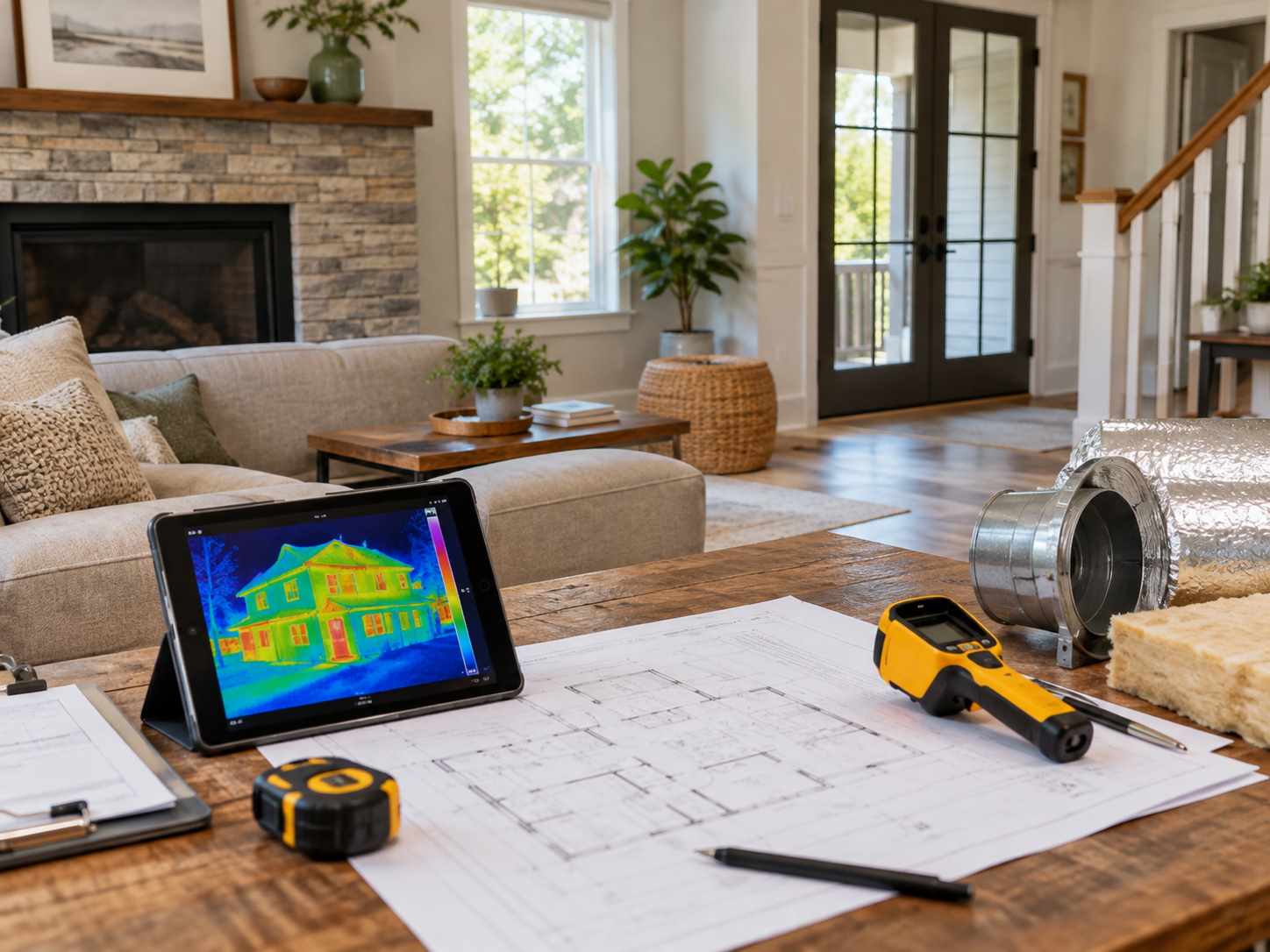
Insulation, air sealing, and equipment changes need to suit the building as a system. Obtain an appropriate assessment before choosing a project. Costs, comfort benefits, and potential savings vary; avoid relying on a generic decorating article to predict a payback period.
17. Fix Small Maintenance Problems Before Styling
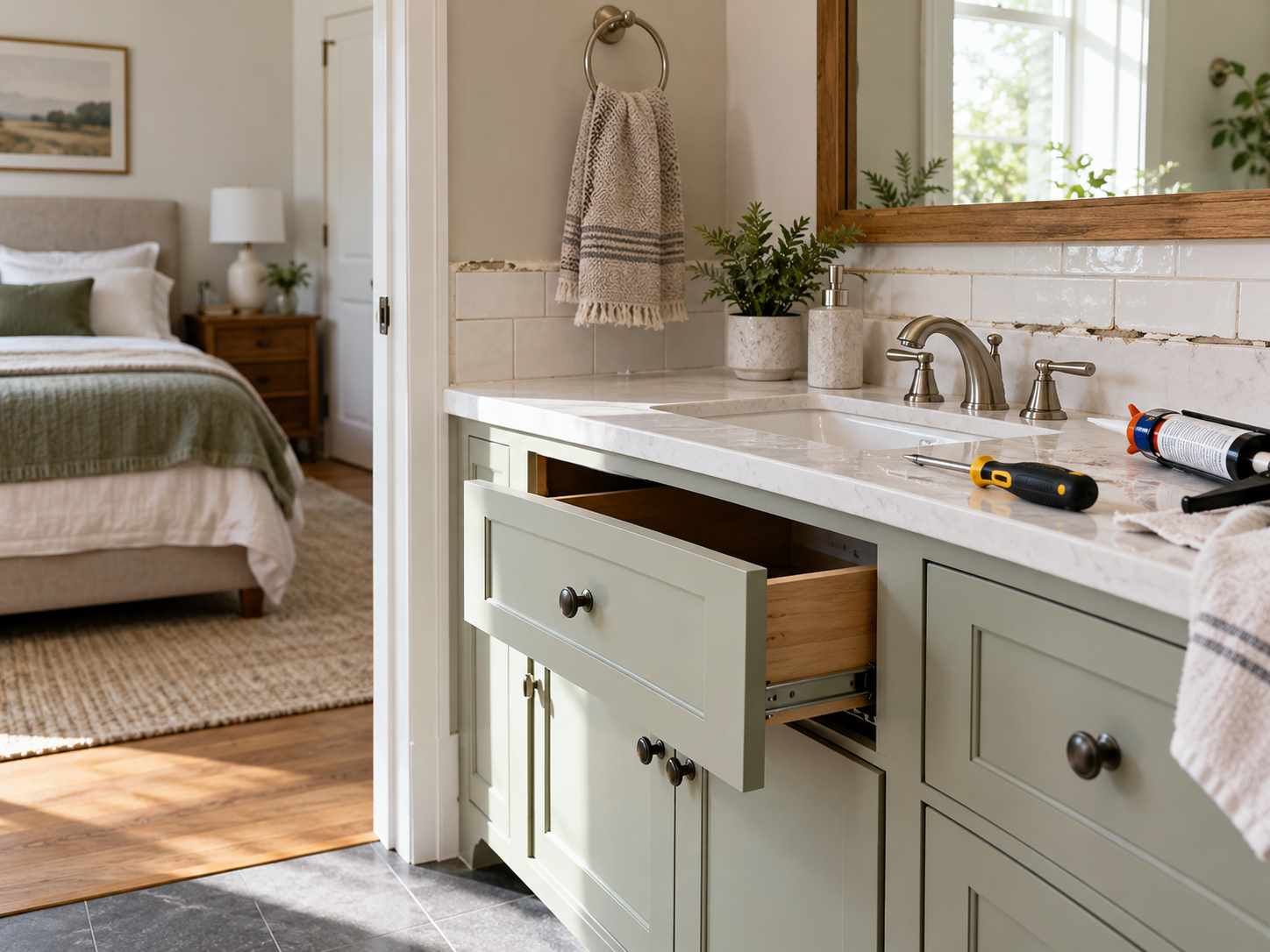
Loose fittings, damaged sealant, sticking drawers, and other visible defects can make a room feel unfinished. Use appropriate repair methods and specialist help when the issue warrants it. A maintained space provides a better base for decorating than new accessories placed around unresolved problems.
Frequently Asked Questions
Which upgrade will add the most value?
There is no universal answer. Property condition, local market expectations, project cost, and workmanship all matter. Ask a qualified local property professional before making resale-led decisions.
Should I renovate before selling?
Compare the likely local relevance of the work with its cost, time, and disruption. Repairs or presentation changes may be more appropriate than a large renovation in some situations.
Can paint guarantee a higher sale price?
No. Paint can improve the appearance of sound surfaces, but it cannot guarantee a price increase or compensate for unresolved condition problems.
How should I compare contractor proposals?
Ask for written scopes covering materials, preparation, specialist work, exclusions, and timing. Compare like-for-like work and check qualifications relevant to the project.
What should come before cosmetic upgrades?
Address safety, condition, water damage, and essential maintenance. Decorative improvements make more sense once the underlying space is sound and useful.
For context on homeowner satisfaction and estimated cost recovery, review NAR and NARI’s remodeling-impact report.
Related Decorating Guides
- 17 Above Kitchen Sink Ideas for a Useful, Finished Wall
- 17 Bathroom Vanity Decor Ideas That Leave Room to Use It
- 17 Aesthetic Garden Ideas for a Calm Outdoor Layout
Conclusion
Choose upgrades that address a real need in the property and remain useful to you. Confirm condition, scope, and local relevance before committing to larger work. Save the ideas that match an actual problem, then assess costs and professional advice without assuming a guaranteed resale return.
Find more focused room projects in our complete decorating guide library.