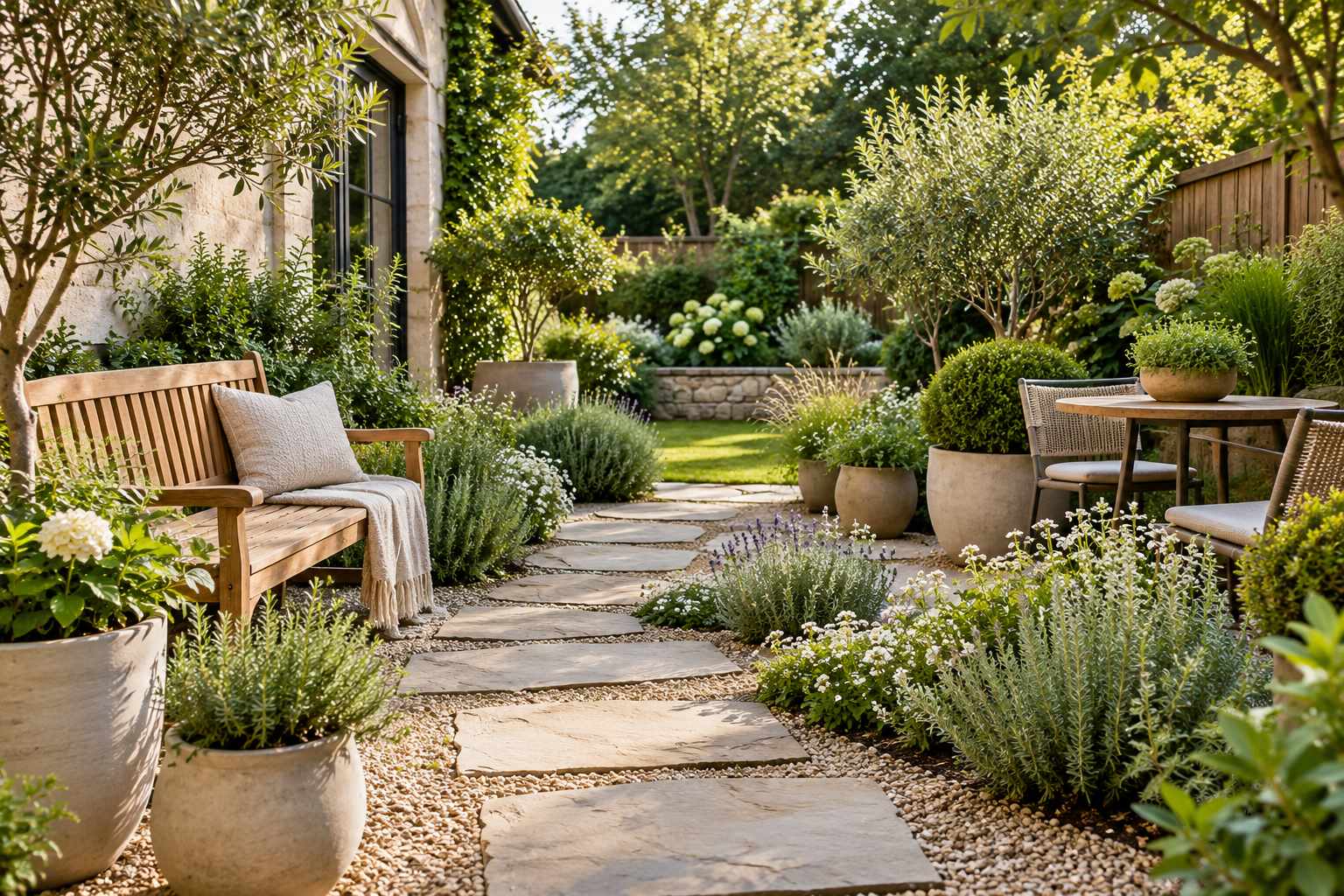
A garden’s appearance depends as much on its layout as on the plants in it. Clear routes, a useful place to sit, and a few repeated materials can help even a modest outdoor area feel considered. These aesthetic garden ideas explore different ways to organize planting and everyday use. Start by noting sun, shade, drainage, and the space needed for access or storage. Choose plants for local conditions and your maintenance capacity, then add decorative details where they support the way you spend time outside.
Key Takeaways
- Plan routes and seating before filling the space with planting.
- Repeat a few materials or container colors to connect separate areas.
- Choose plants for local growing conditions and realistic maintenance.
1. Create a Clear Path to the Main Seat
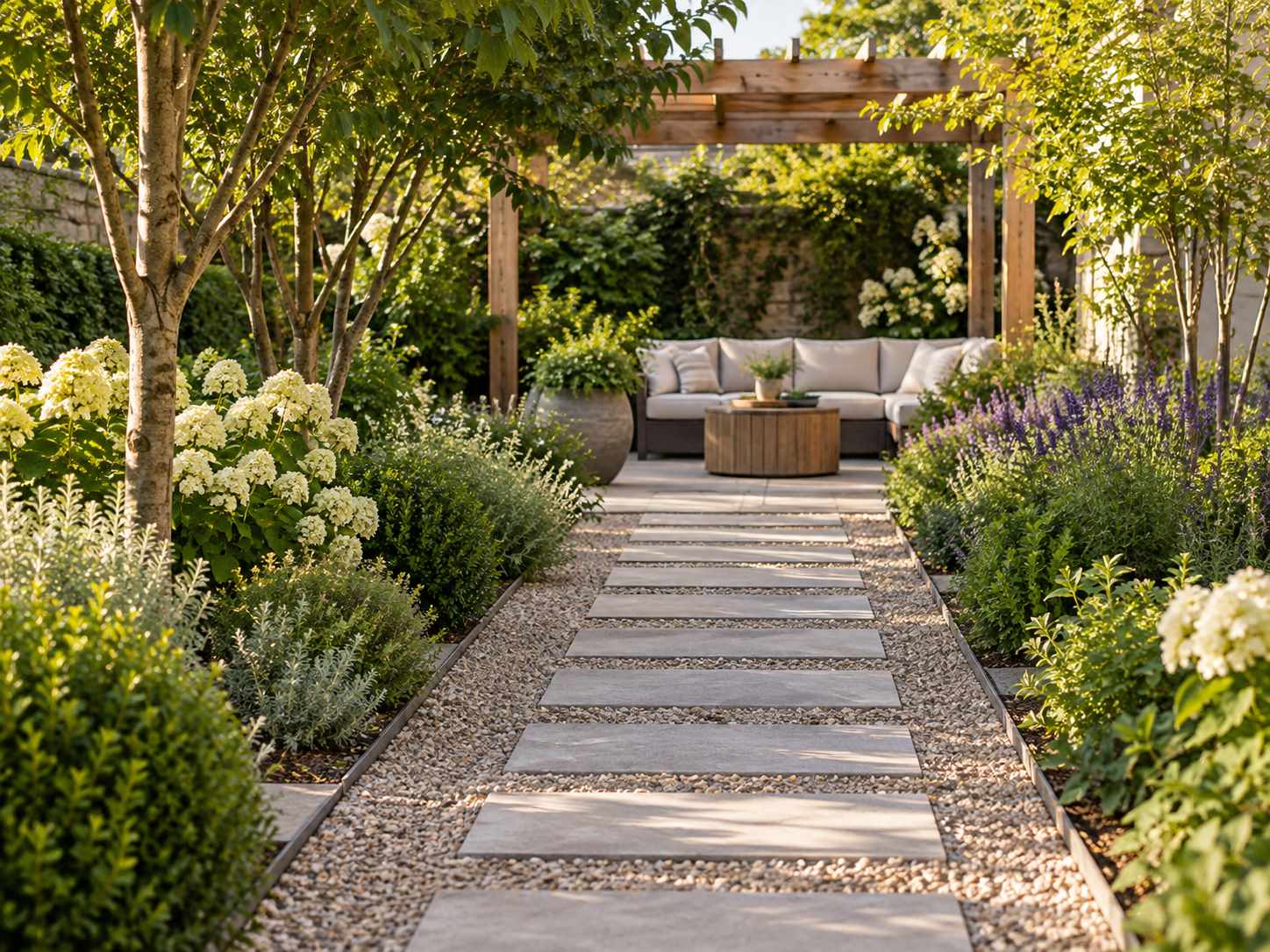
A defined path makes the garden easier to understand and use. Choose a surface suited to the site, drainage, and accessibility needs. Keep planting from narrowing the route as it grows, and allow access for carrying tools or moving furniture.
2. Group Containers in Related Finishes
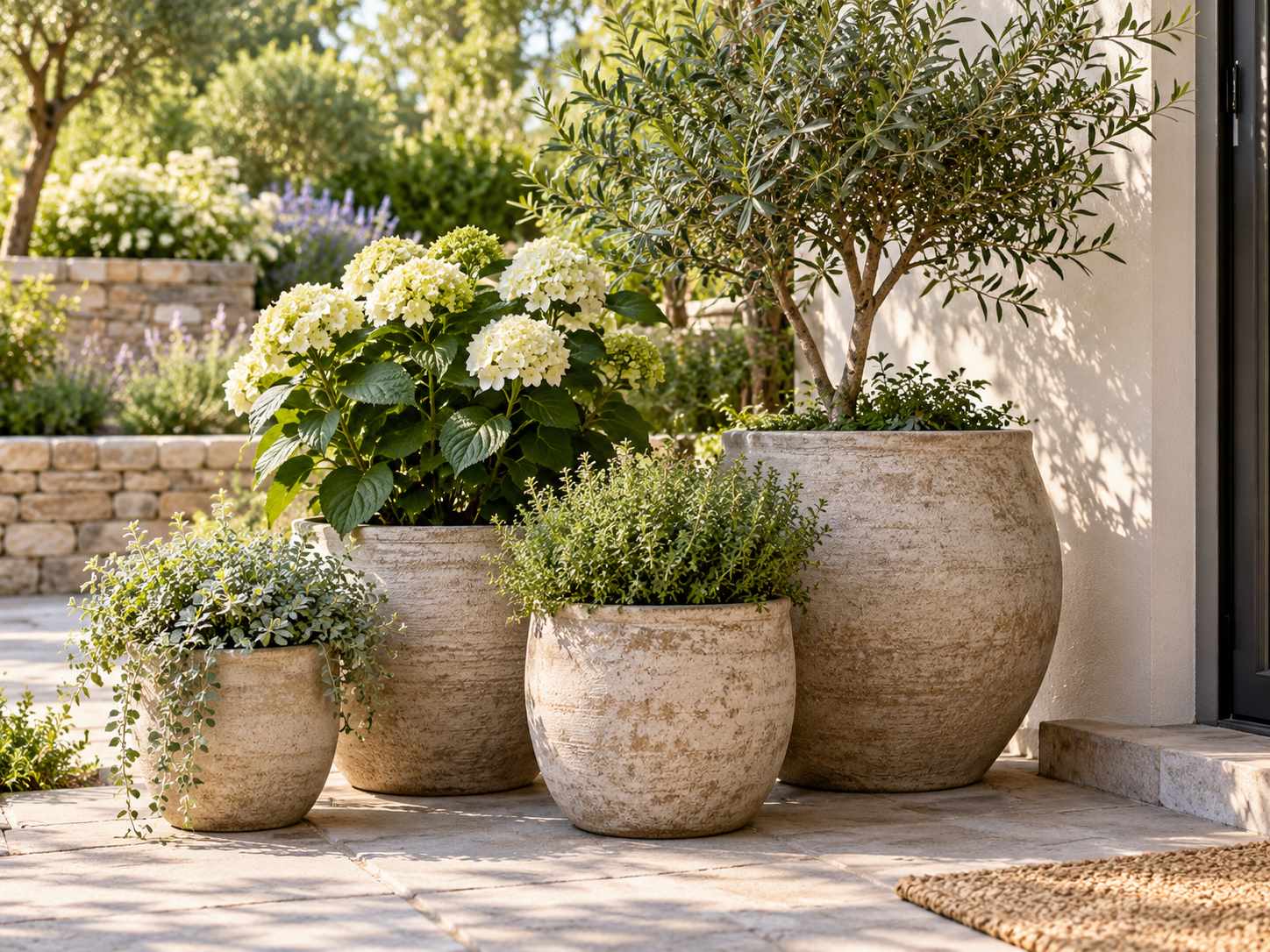
A small collection of pots can look coherent without being identical. Repeat one material or color and vary the sizes enough to support different plant forms. Use containers with suitable drainage and stable bases, and protect any surface that could be damaged by water.
3. Use a Bench as the Main Focal Point
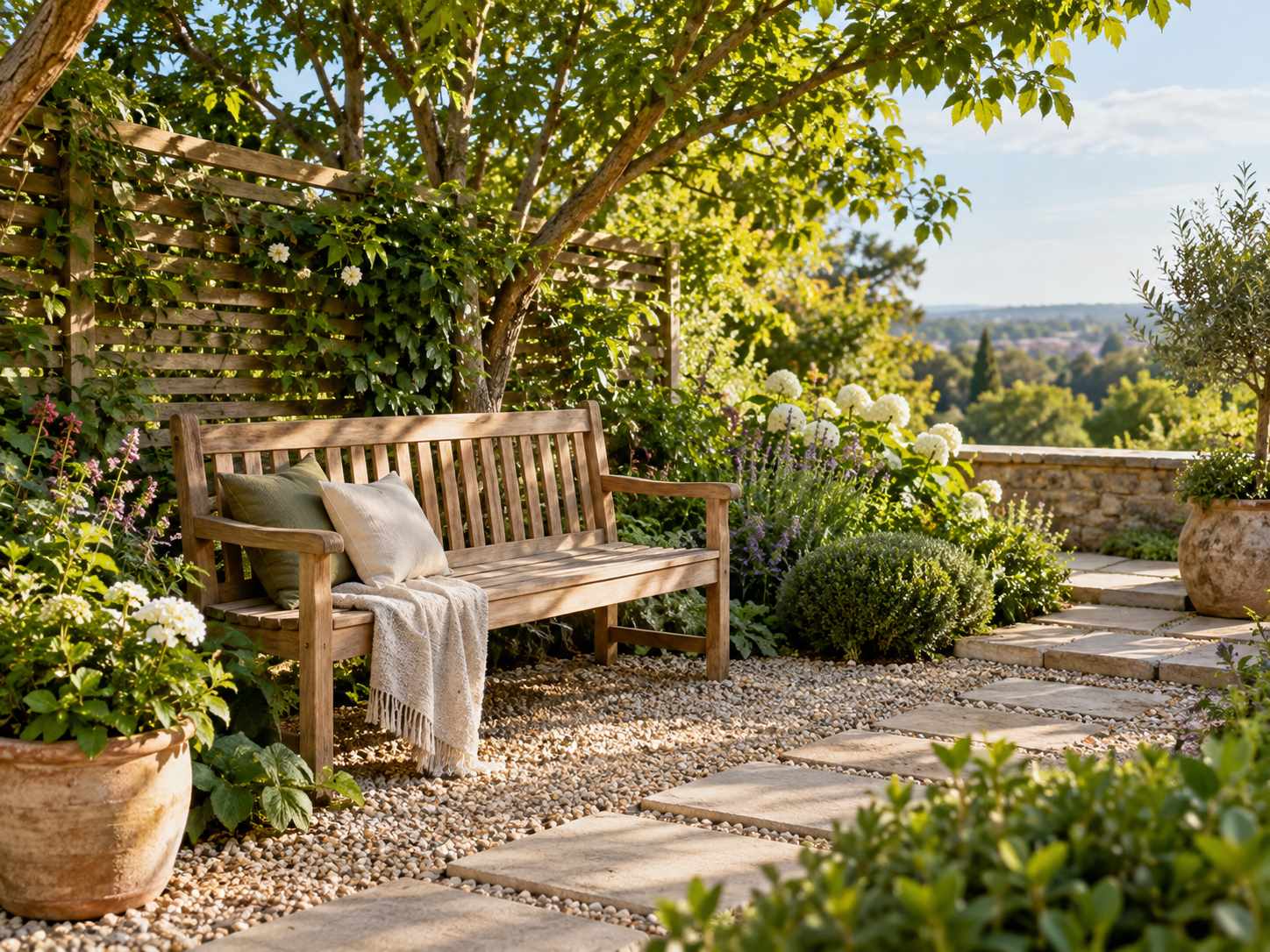
A bench can give a small garden a destination without filling it with furniture. Position it for the view, shade, and privacy you actually want. Check the ground is stable and leave room around it for cleaning and comfortable movement.
4. Plant in Repeated Small Groups
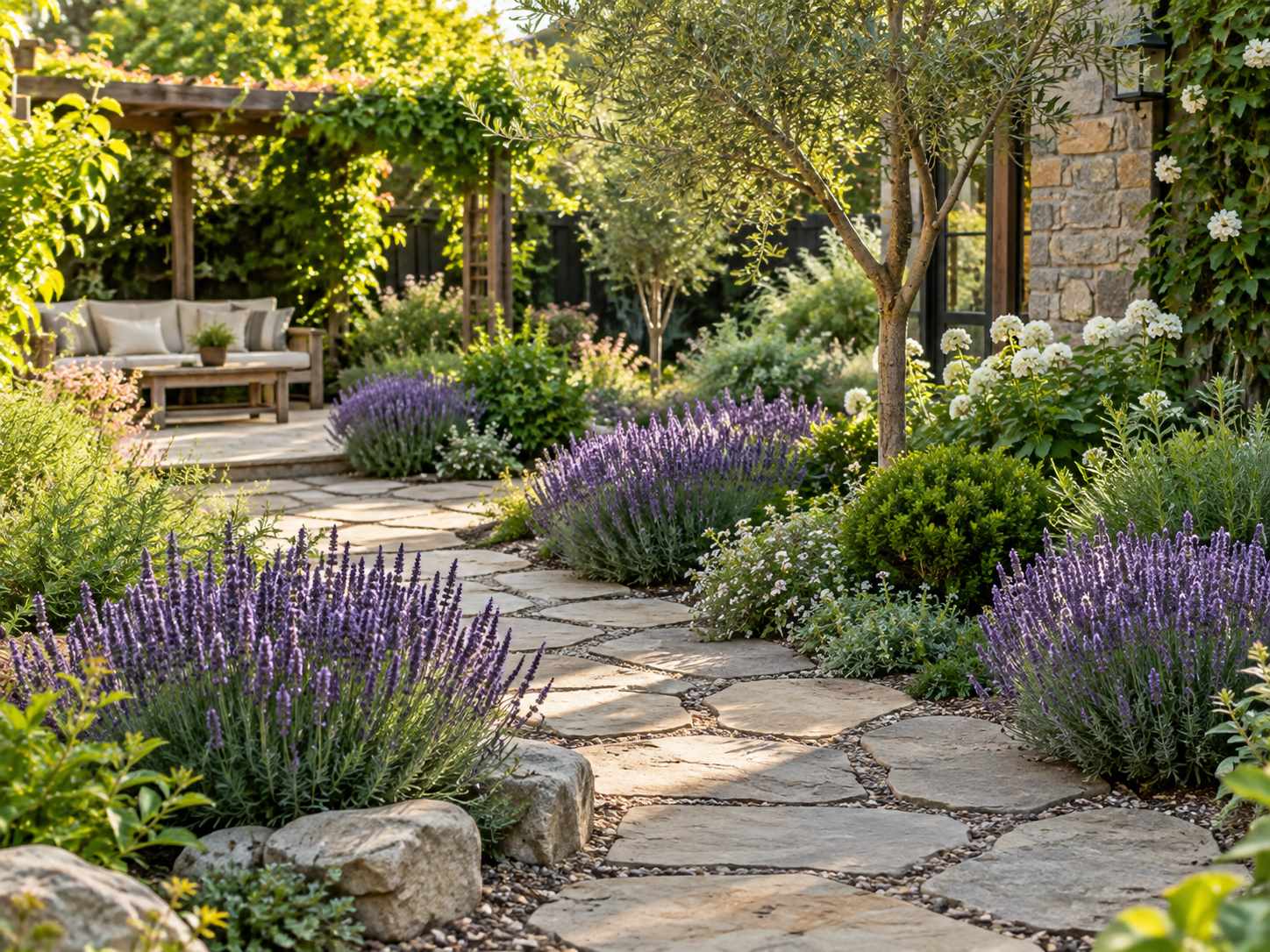
Repeating a suitable plant in several places can connect separate borders. Choose species for your local climate, light, and soil rather than copying a photograph’s planting list. Allow for mature size so the design does not quickly crowd paths or neighboring plants.
5. Keep a Restrained Flower Palette
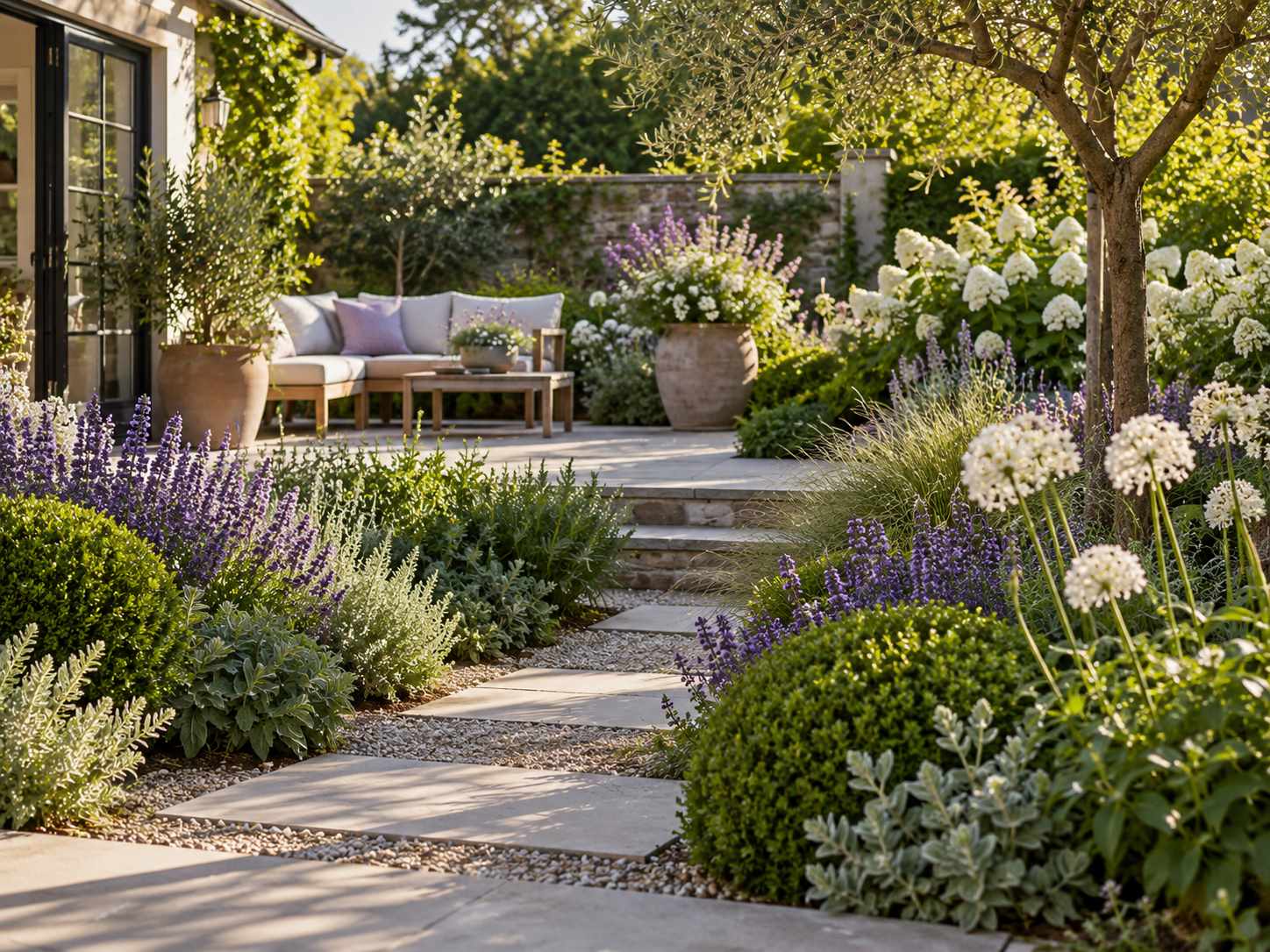
A limited flower palette can make varied planting feel calmer. Choose two main colors and let foliage provide the background. Check flowering periods and local suitability before buying, and leave space for plants that offer interest outside the main flowering season.
6. Add a Small Gravel Seating Area
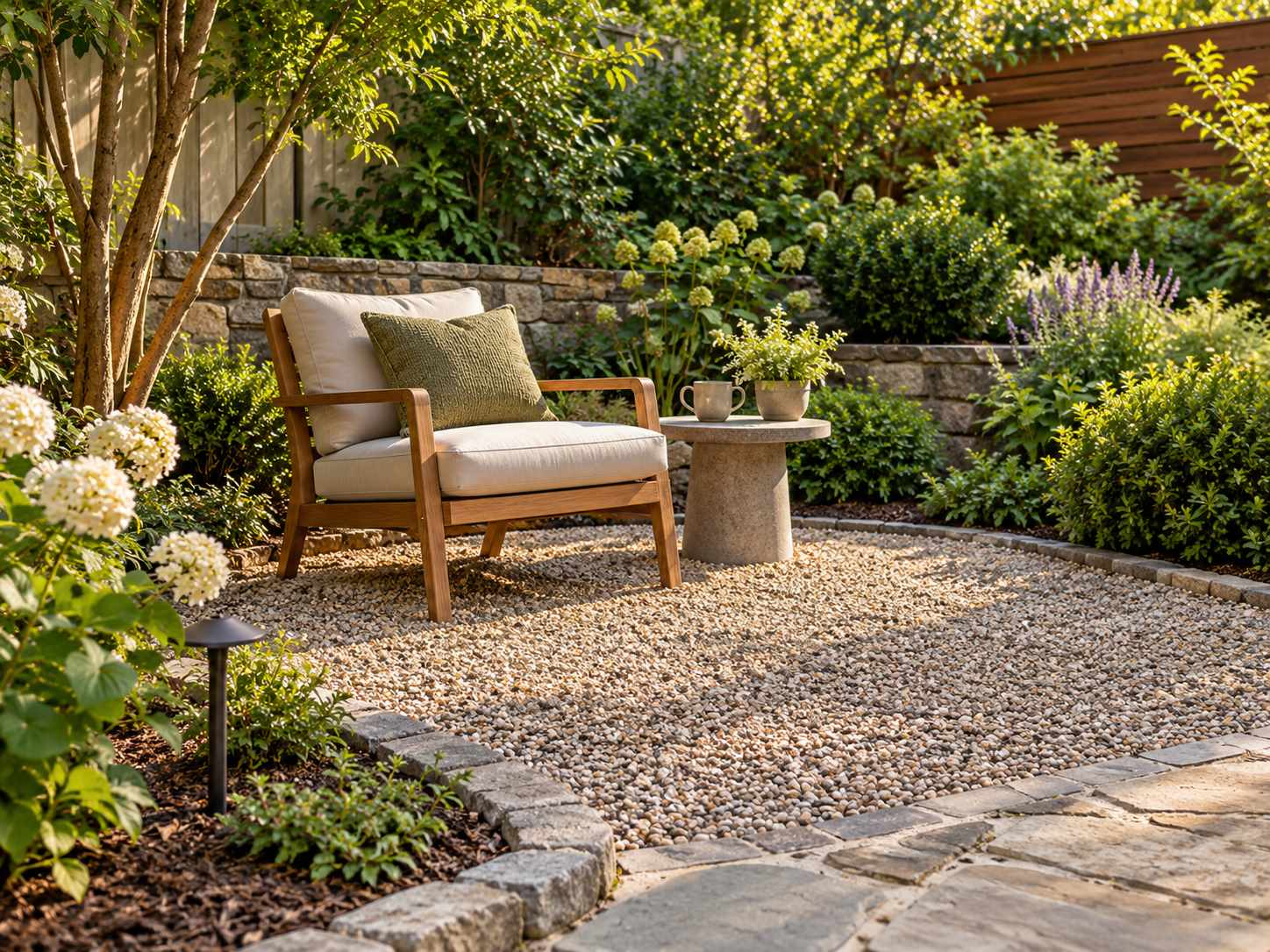
A gravel area may provide a distinct place for a chair where the site and accessibility needs allow it. Plan edging, drainage, and furniture stability before installation. Loose gravel is not equally suitable for every route or mobility need, so choose the surface around actual use.
For ideas on a restrained seasonal table, see our autumn table decorating guide.
7. Use a Trellis for Appropriate Climbers
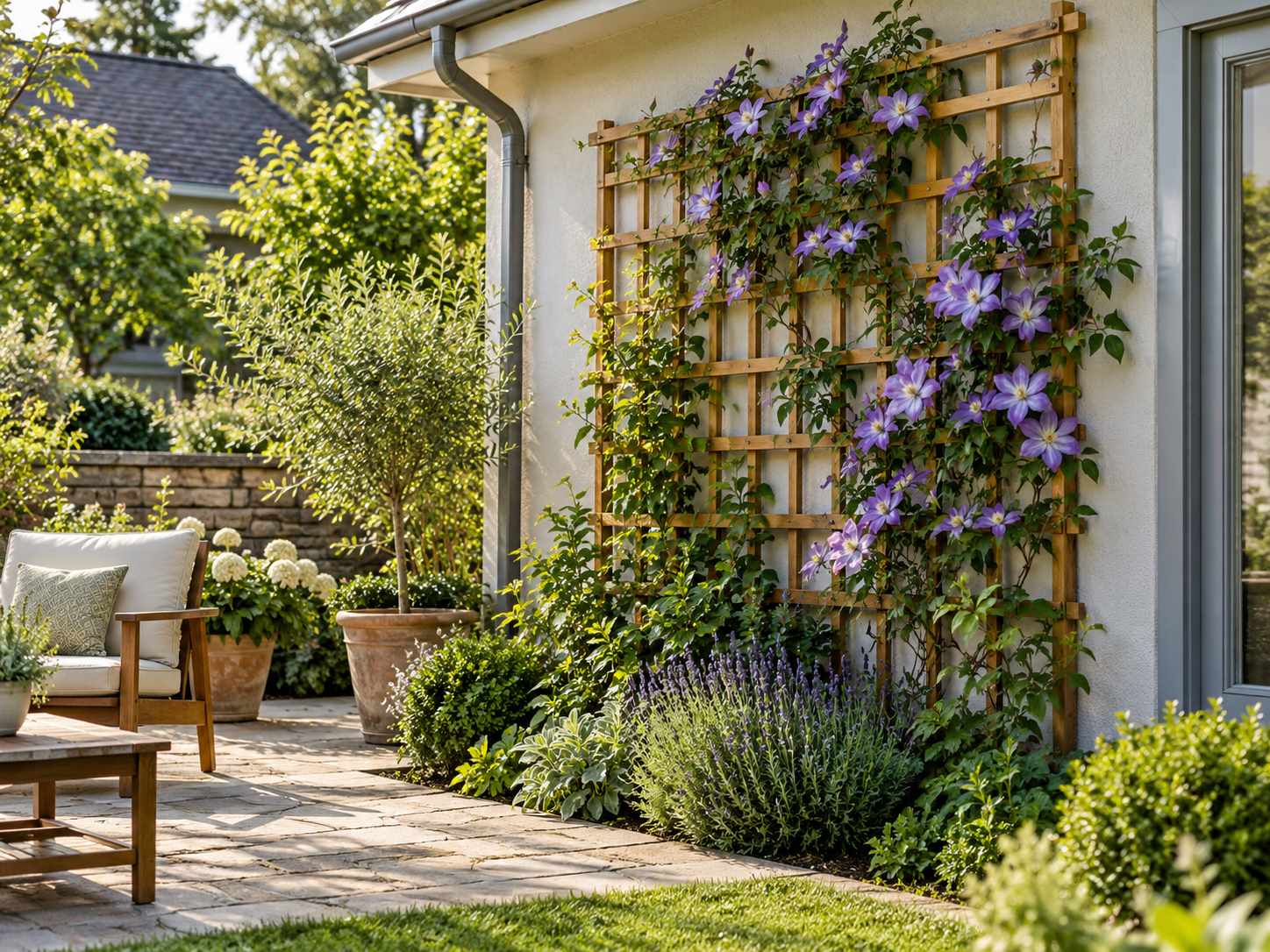
A trellis can add vertical interest without taking the footprint of a large shrub. Select a structure and fixings suitable for the plant’s mature weight. Keep growth clear of vents, gutters, and access routes, and choose plants appropriate to the light and local conditions.
8. Place a Large Pot at a Turning Point
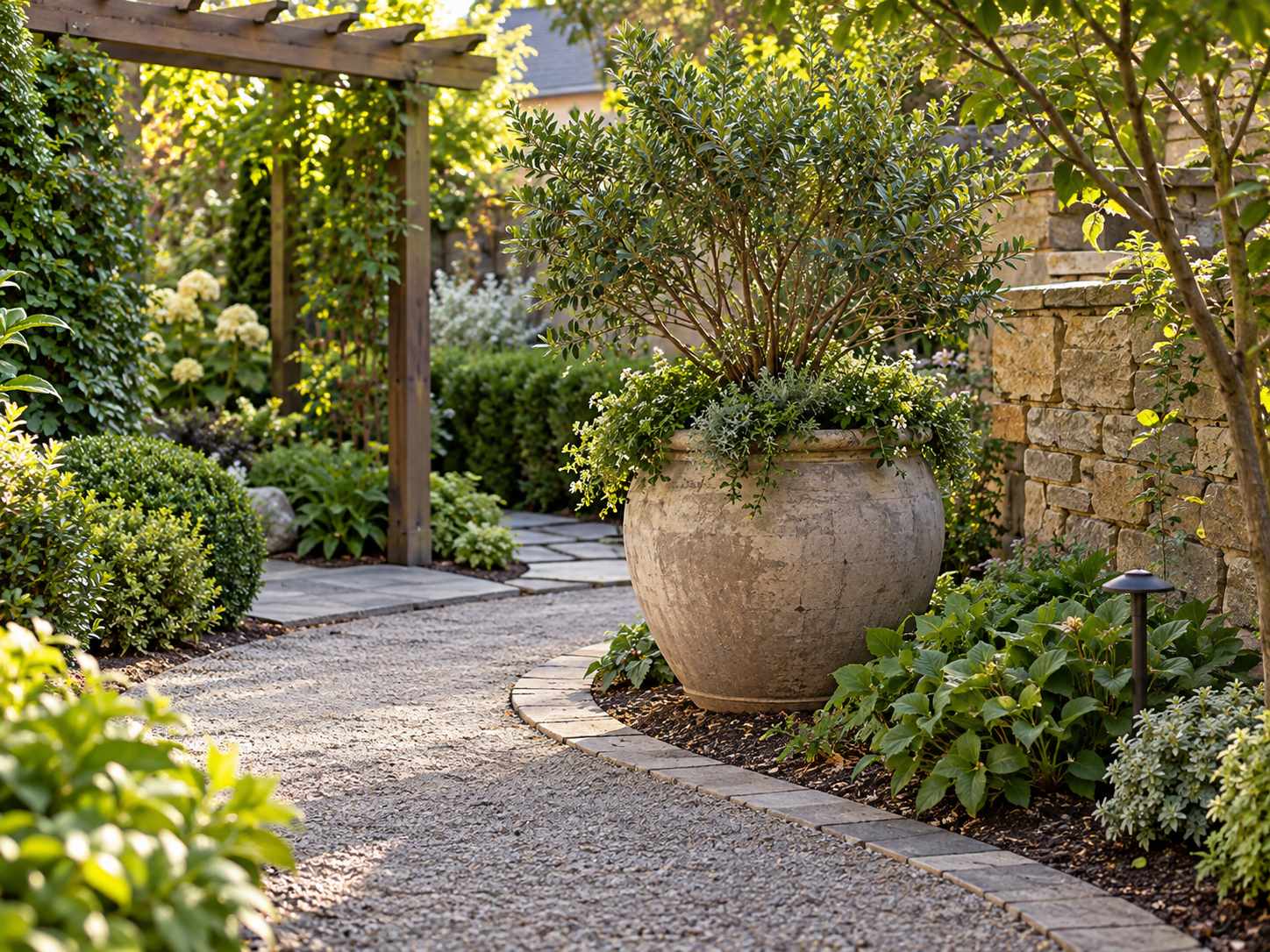
One substantial container can mark a change in direction more clearly than several small ornaments. Keep it outside the usable path width and make sure the base is stable. Choose a plant whose mature spread will not hide the route or scratch people passing.
9. Make a Small Table Useful for Outdoor Meals
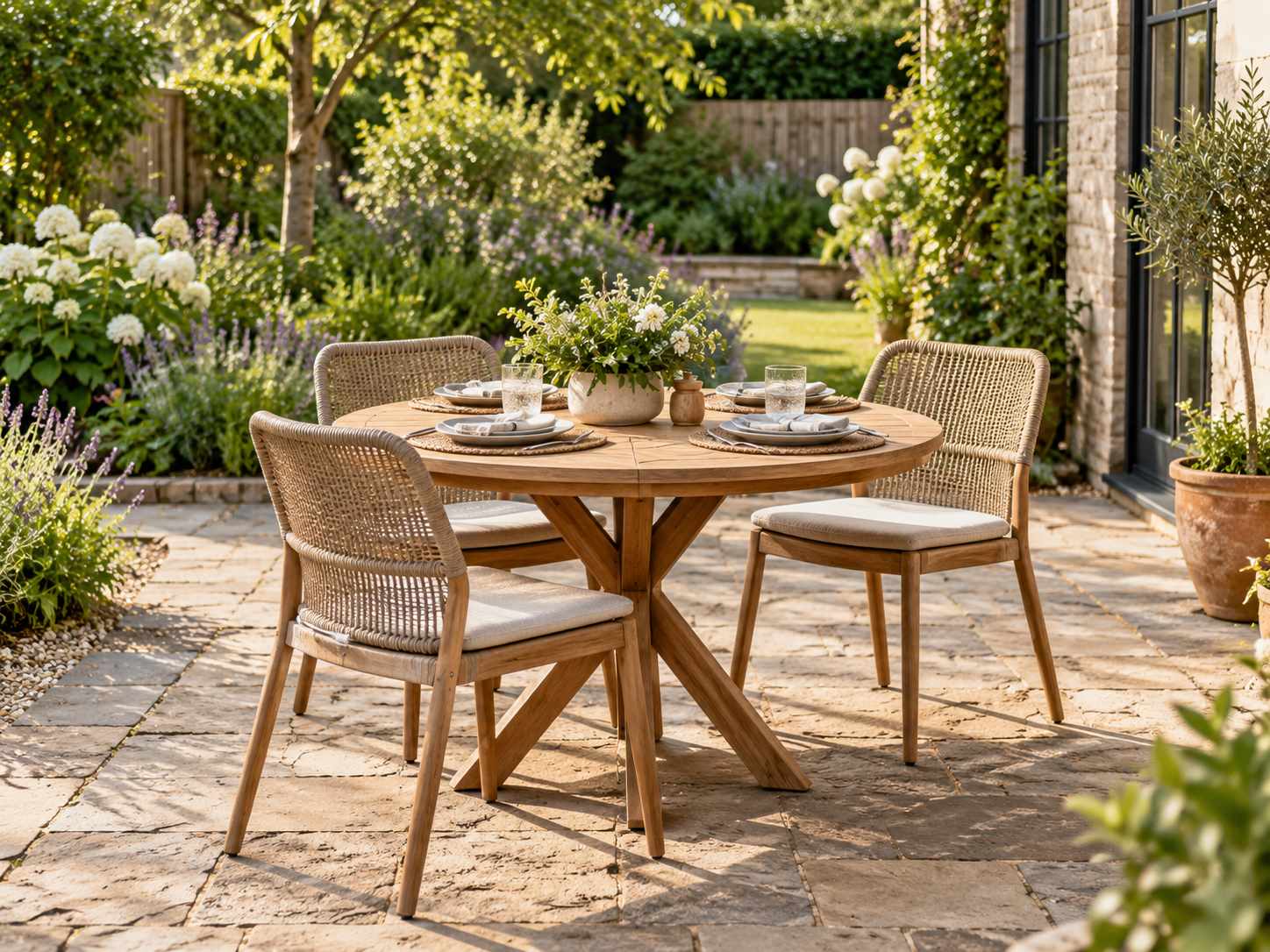
A modest table can give the garden a daily role. Check the space needed to pull out chairs and walk around them. Choose outdoor-suitable materials and a level surface, then keep the table decoration low enough to leave room for food and conversation.
10. Use Foliage Texture Around a Quiet Corner
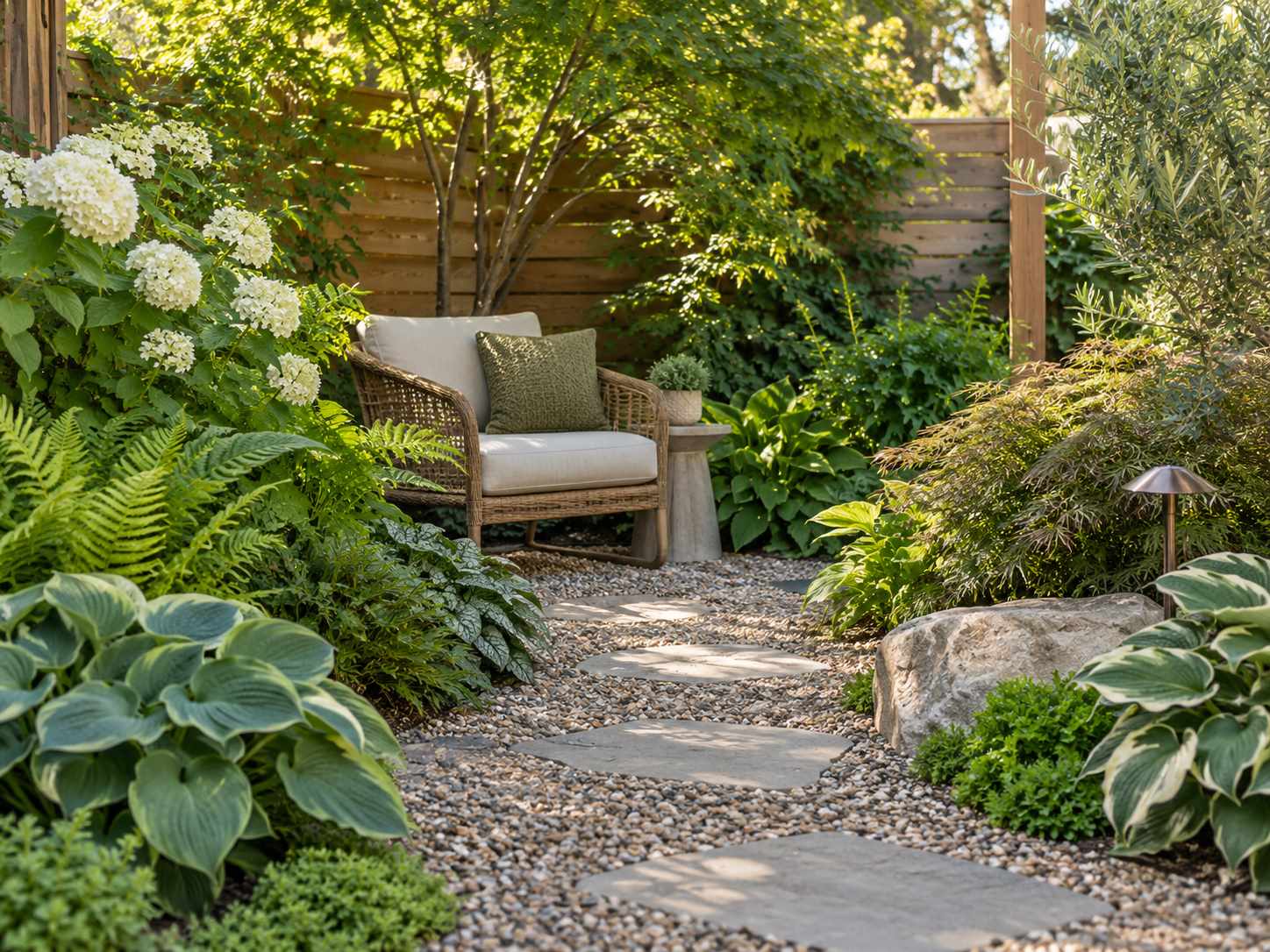
Different leaf shapes can provide interest without a large range of flower colors. Select plants that share suitable growing conditions and leave maintenance access. Avoid putting sharp or irritating foliage beside a close seating area or narrow path.
11. Define a Border with Simple Edging
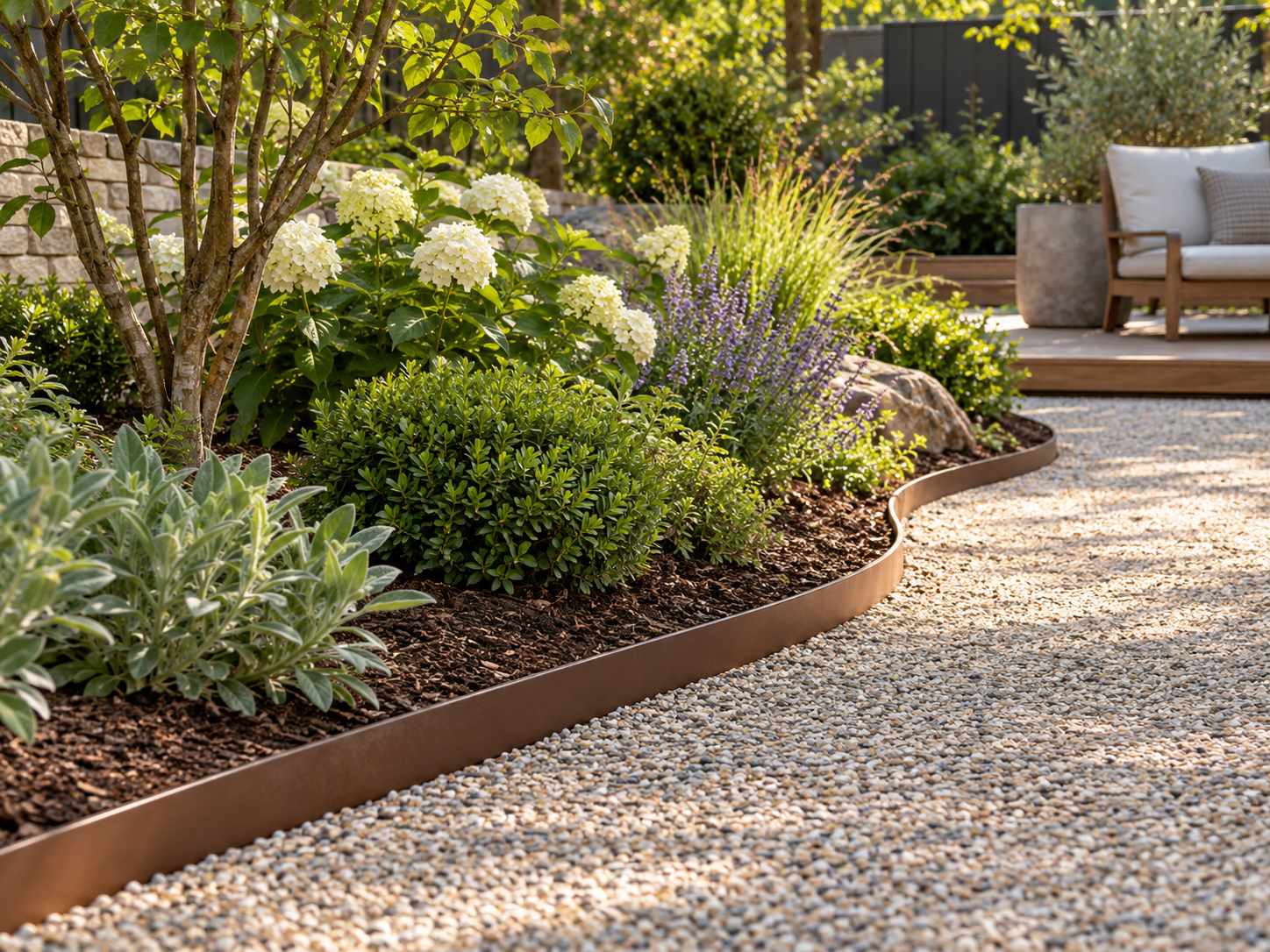
Clear edging can make a border feel deliberate and keep materials from spilling into the path. Choose a system suitable to the soil, maintenance, and adjacent surface. Avoid sharp projections and check that the edge does not create a trip point.
12. Add Lighting Along Frequently Used Routes
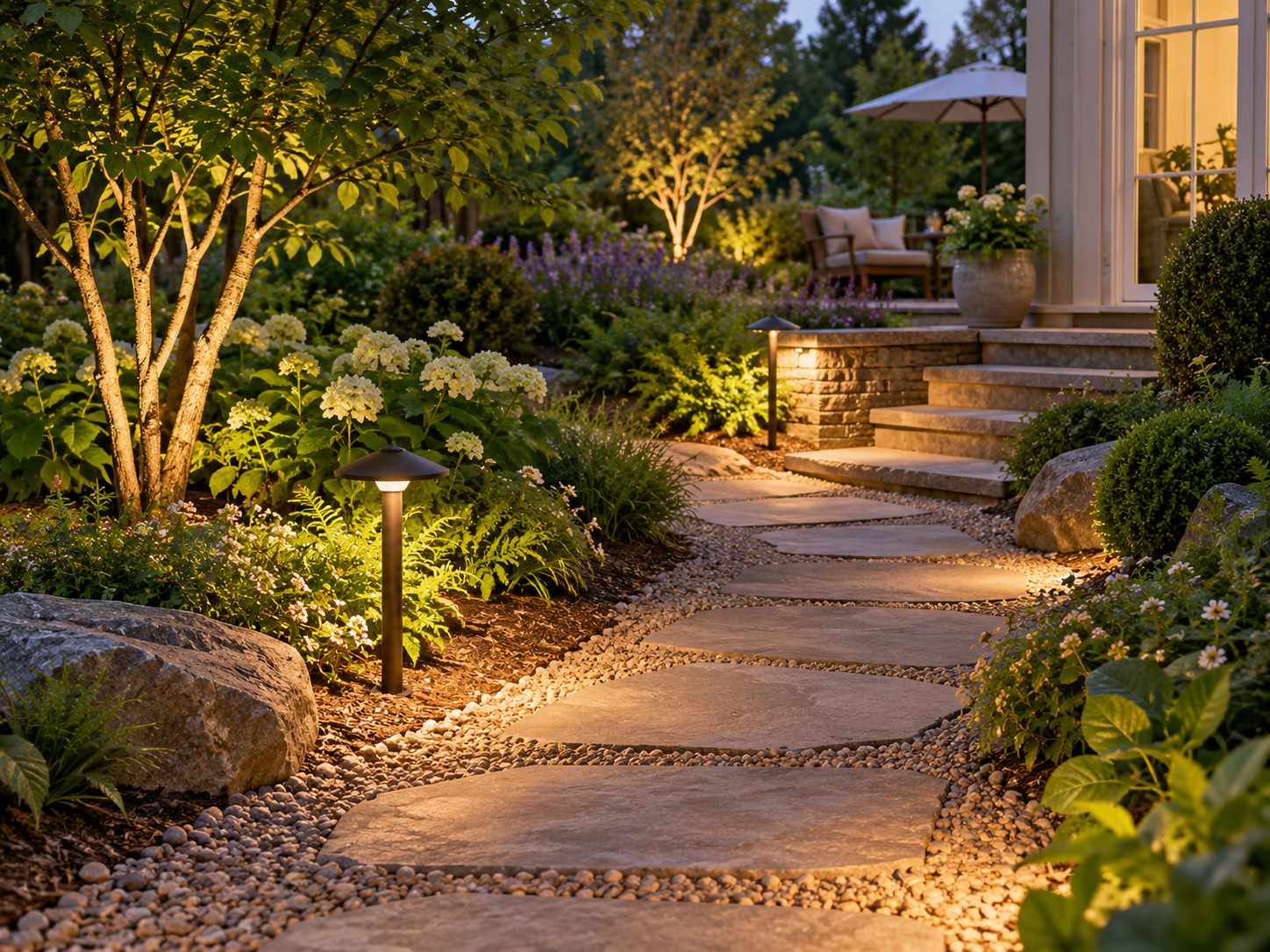
Outdoor lighting should help people see where they are going without excessive glare. Choose fittings rated for the location and have electrical work done appropriately. Keep the light directed where it is needed and consider neighbors and wildlife when planning nighttime use.
For more outdoor layouts and planting concepts, browse our outdoor living collection.
13. Use a Small Raised Planter for Accessible Gardening
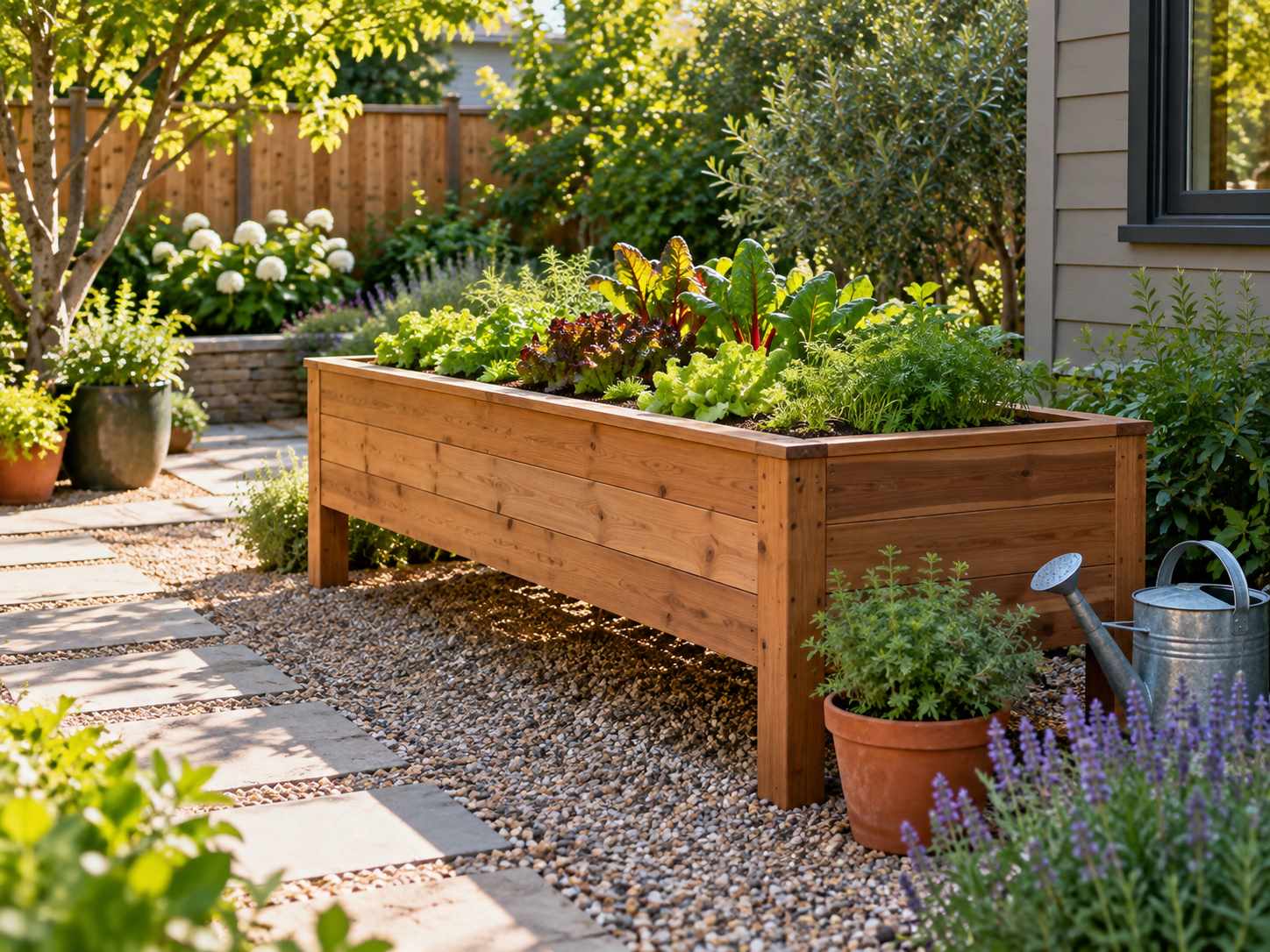
A raised planter can make a focused growing area easier to reach when its height and access suit the user. Plan the structure, drainage, and filling material before installation. Leave room around it for tools and movement rather than fitting it tightly into the last available gap.
14. Screen a Utility Area Without Blocking Access
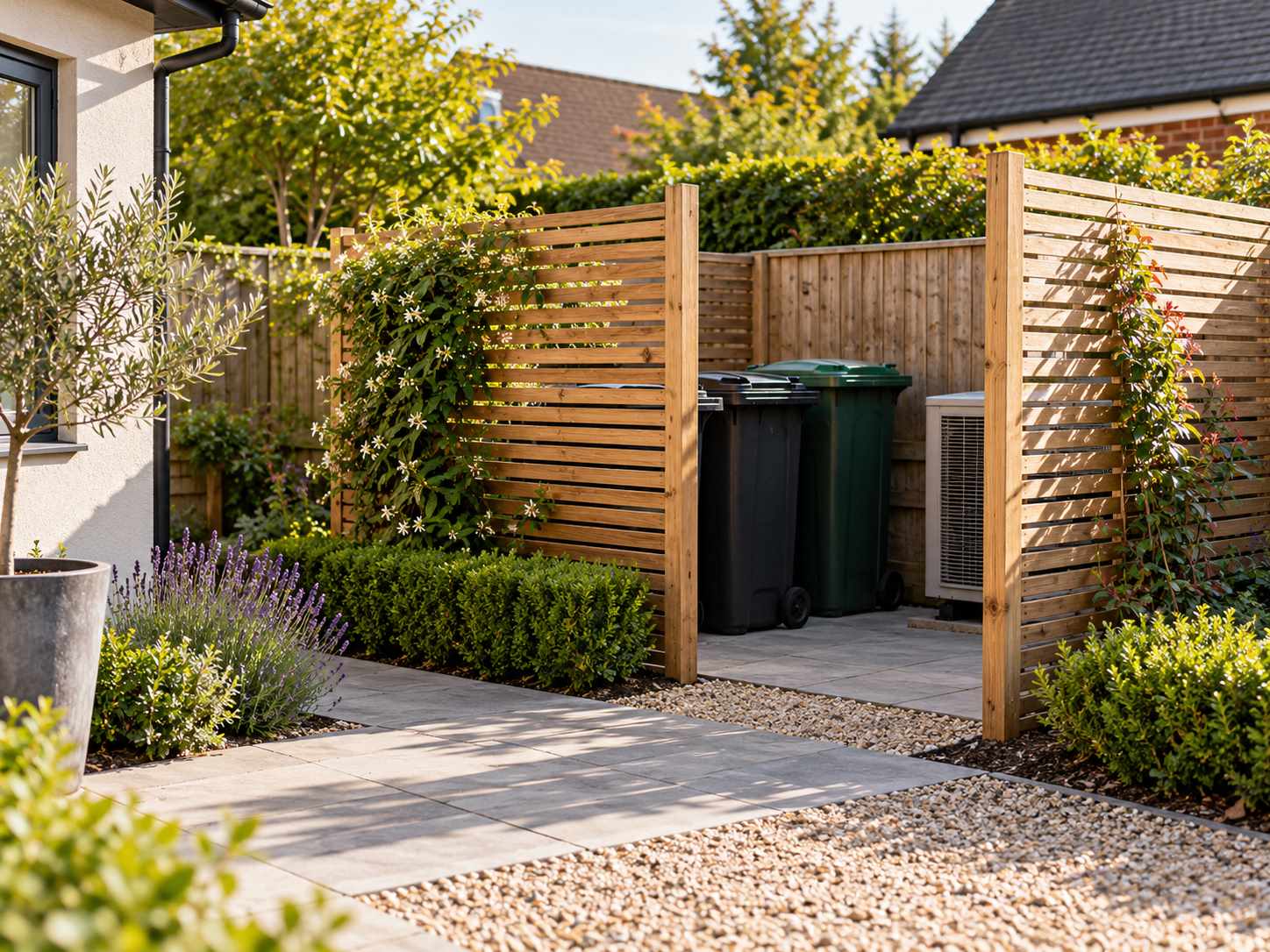
A simple screen can tidy the view of bins or equipment while preserving ventilation and maintenance routes. Check the requirements of anything behind it and the security of the screen in wind. Planting should not make essential equipment difficult to reach.
15. Create a Dry Place for Cushions and Tools
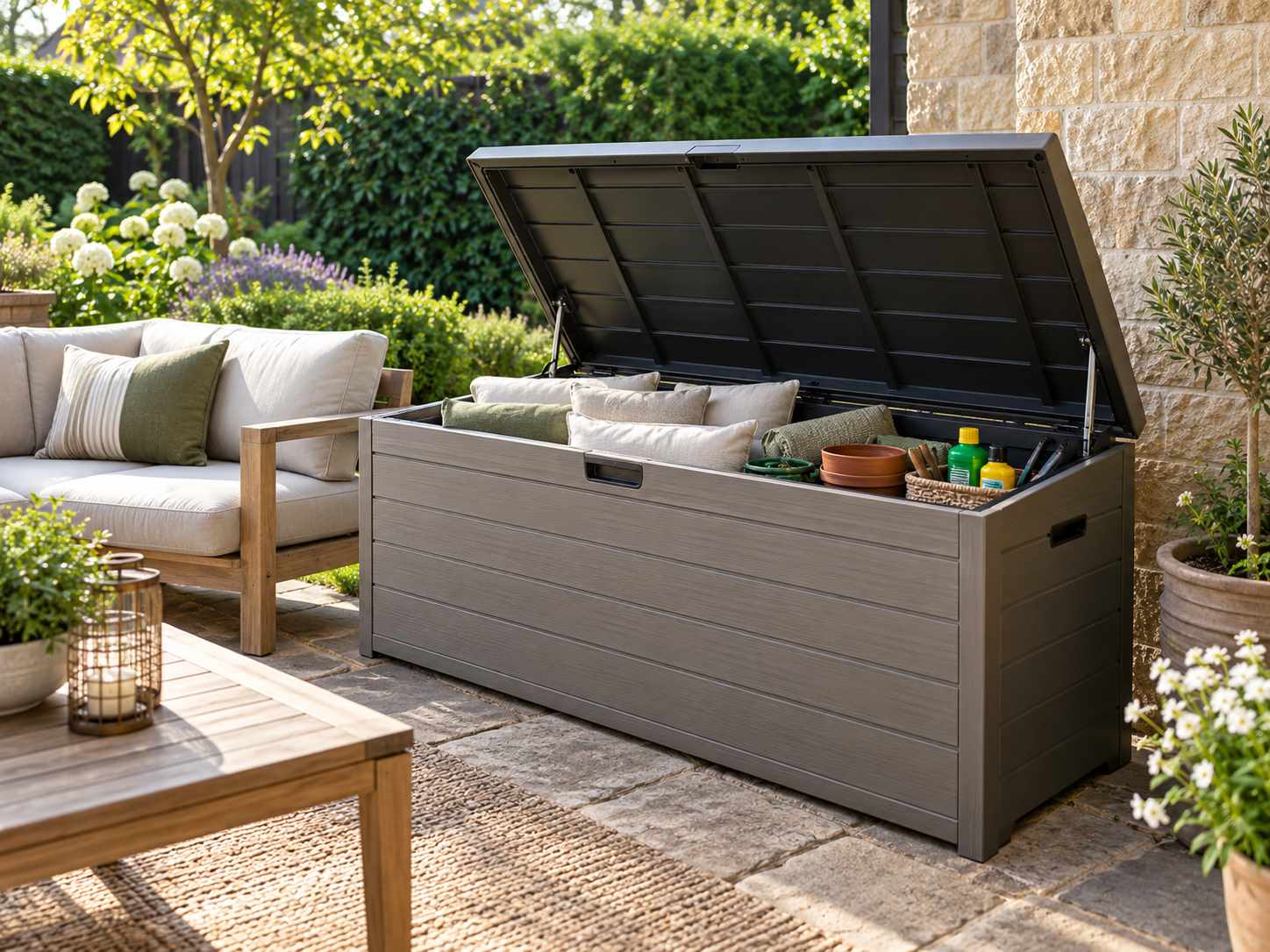
A useful storage box can reduce the visual clutter that gathers around outdoor seating. Choose an appropriate outdoor product and keep contents dry before closing it. Store garden chemicals according to their labels, separately from cushions, food-related items, or children’s belongings.
16. Leave an Open Patch for Flexible Use
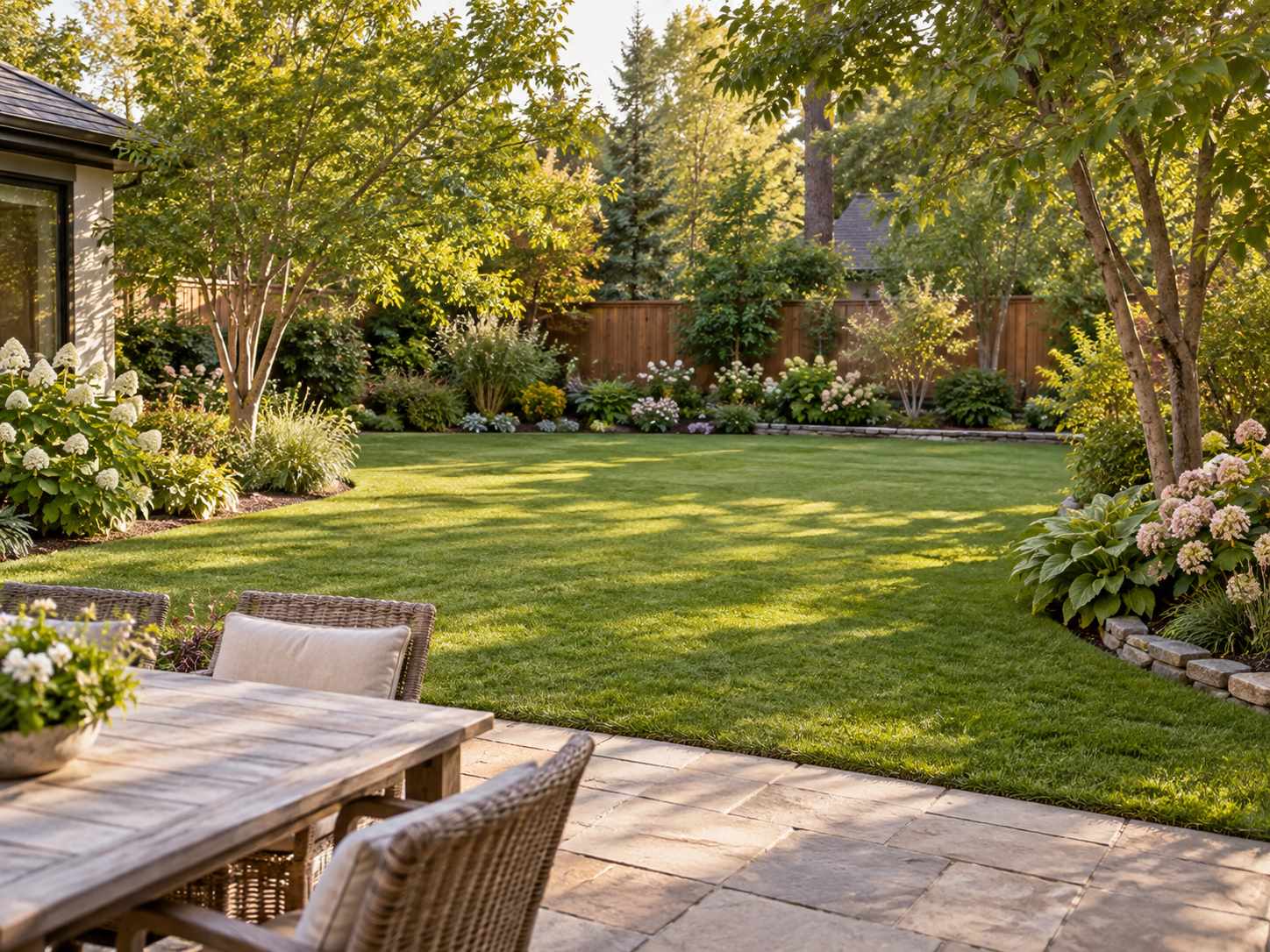
Not every part of the garden needs a permanent feature. A clear area can support moving chairs, play, or seasonal changes as your routine shifts. Keep the surface appropriate to the intended activity and resist filling the space just because it looks empty in a photograph.
17. Connect the Garden to an Indoor View
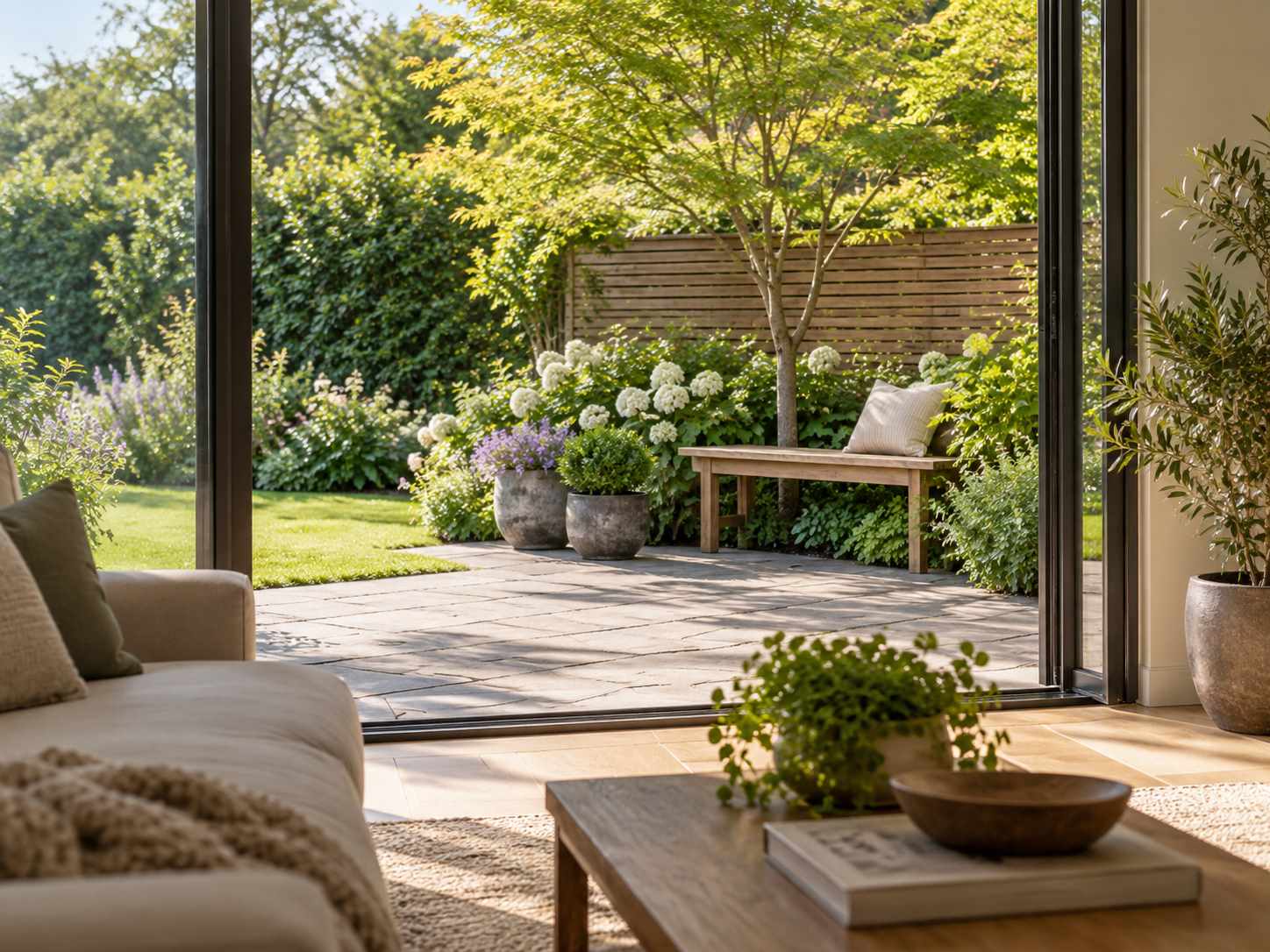
Look at the garden from the room where you see it most often. A well-placed container, plant group, or bench can improve that view without a complete redesign. Keep the sightline clear and choose features that still look considered when outdoor furniture is stored.
Frequently Asked Questions
How do I make a small garden look coherent?
Repeat a few materials and plant forms, keep routes clear, and choose one main seating destination. Too many different features can fragment a small space.
Should I choose plants by color first?
Start with climate, light, soil, and mature size. Color is easier to refine once you know which plants can thrive in the location.
Can containers replace a planted border?
Containers can provide a flexible display, but they need suitable drainage and regular care. Check their weight and surface protection, particularly on decks or balconies.
How much outdoor furniture should I use?
Choose for the activities you actually do and preserve space to move around each piece. A single comfortable seat may be more useful than a crowded dining set.
What makes a garden easier to maintain?
Appropriate plants, accessible borders, clear storage, and a realistic watering plan help. Choose fewer features you can care for rather than a complex layout that exceeds your time.
Related Decorating Guides
Conclusion
Give the garden a clear route, a useful destination, and planting that suits its conditions. Then repeat a few materials and forms to connect the scene. Save the ideas that fit your light, access, and maintenance needs before adding decorative extras.
Find other practical decorating projects in our home decor library.