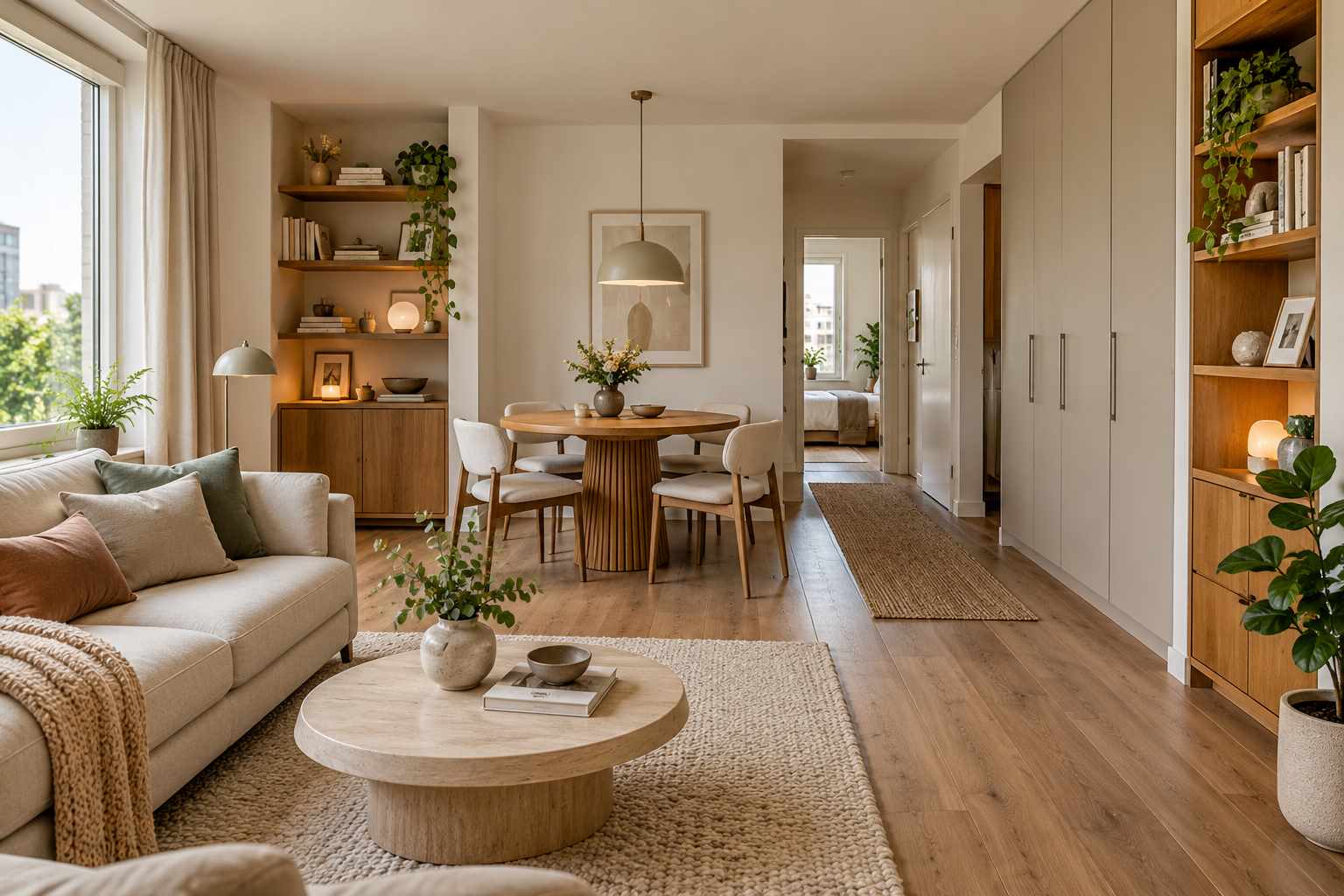
An apartment shared by two people needs to support shared routines and individual preferences. Before choosing a palette or another storage unit, look at how you both arrive home, work, relax, and get ready. These apartment ideas for couples focus on clear uses for space, flexible furniture, and a balance between common areas and personal belongings. A useful layout does not require identical tastes. Start with the activities that happen most often, then choose furniture and storage that make those activities easier without filling every corner.
Key Takeaways
- Plan around both people’s routines before buying furniture.
- Create clearly defined shared and individual storage.
- Use flexible layouts while preserving useful walking routes.
1. Give Each Person a Defined Entry Spot
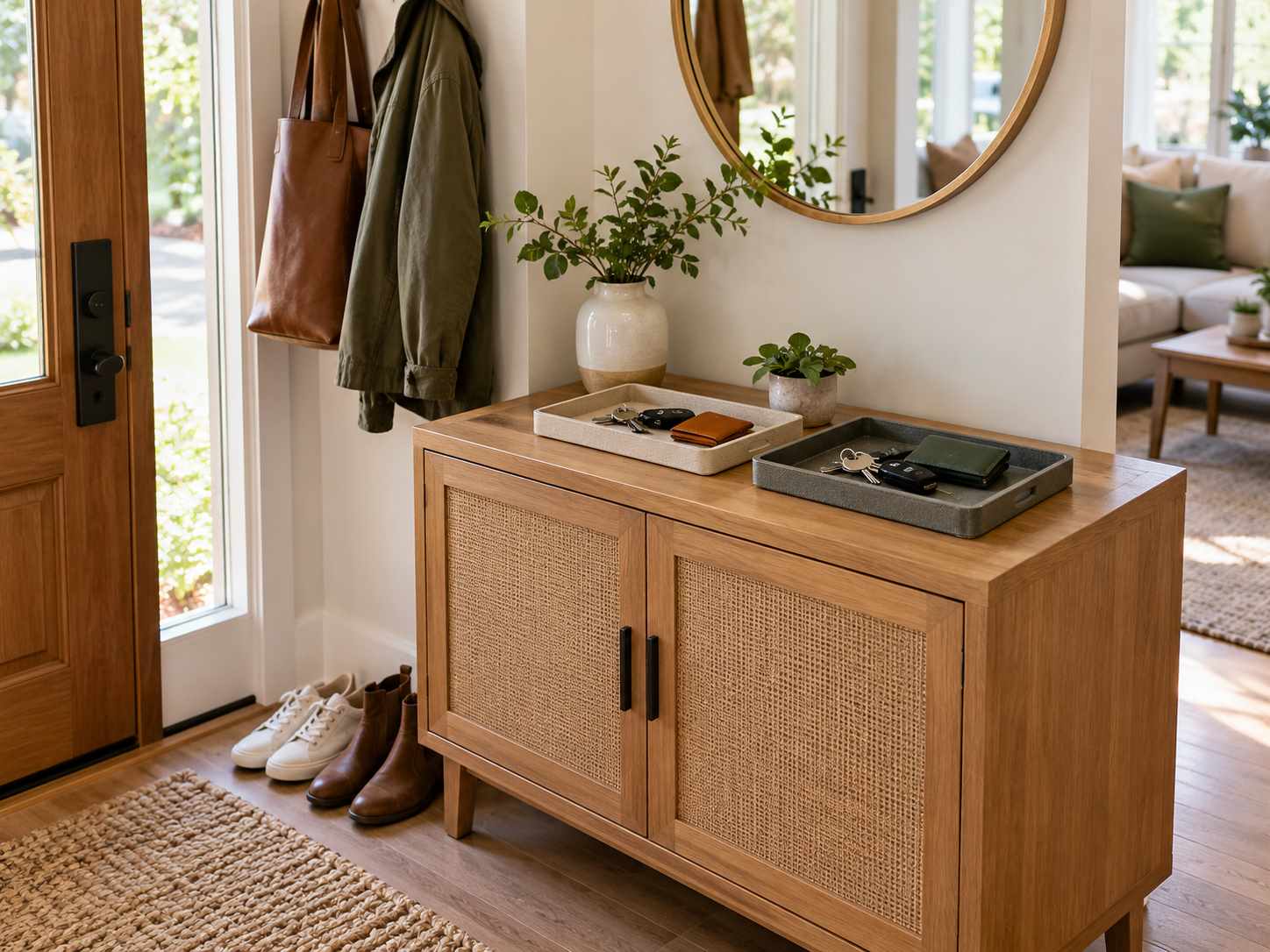
Two small trays or separate sections in one cabinet can keep keys and everyday items easy to find. Place them where each person naturally reaches on arrival. Keep bags and shoes from narrowing the entrance and review the arrangement after a normal week of use.
2. Choose a Sofa for the Way You Both Sit
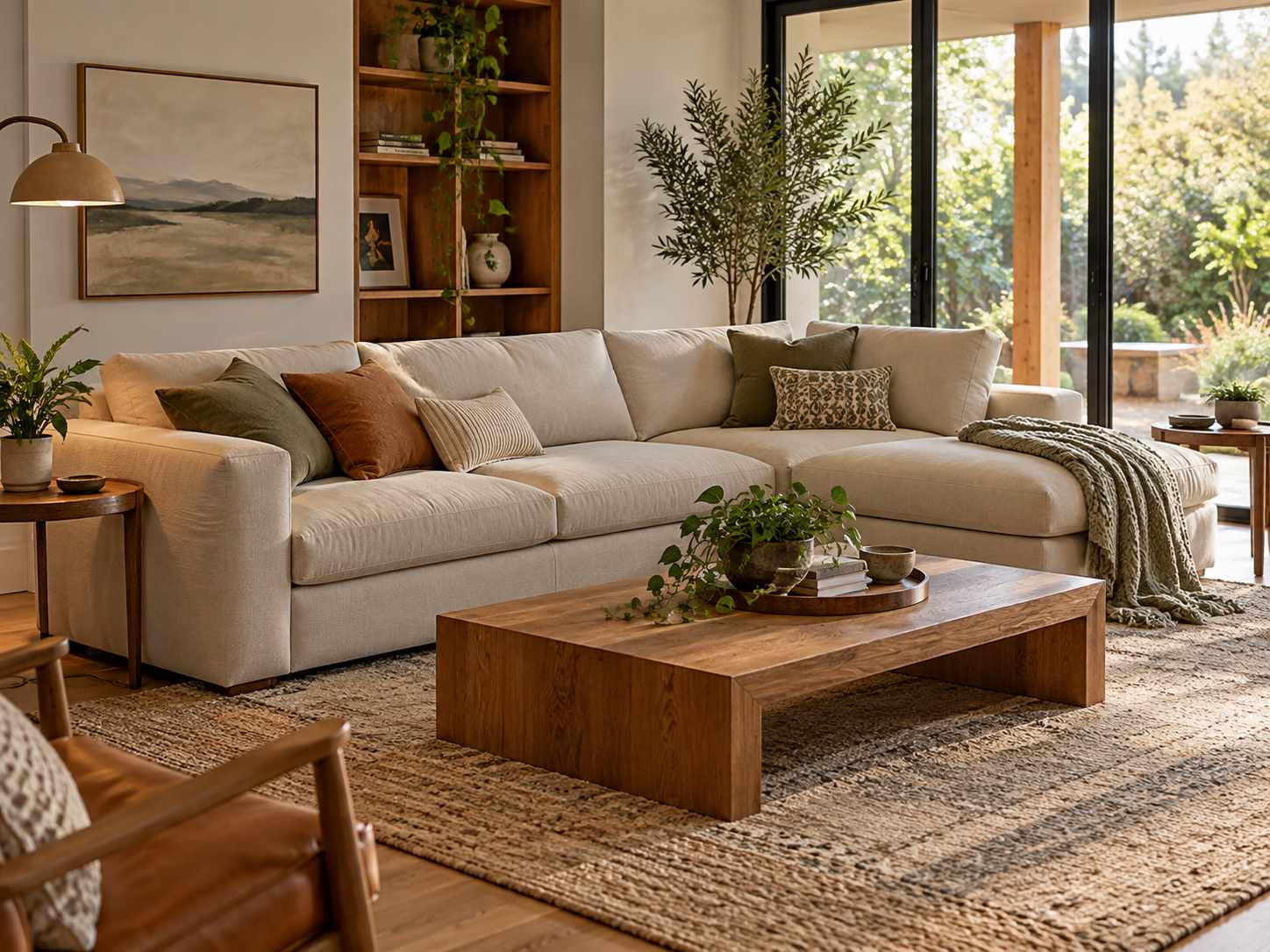
A sofa should support the positions and activities you actually enjoy, whether reading separately or watching a film together. Check seat depth and usable width in person when possible. Measure the room with side tables and walking routes included before choosing a larger model.
3. Use a Dining Table That Can Change Size
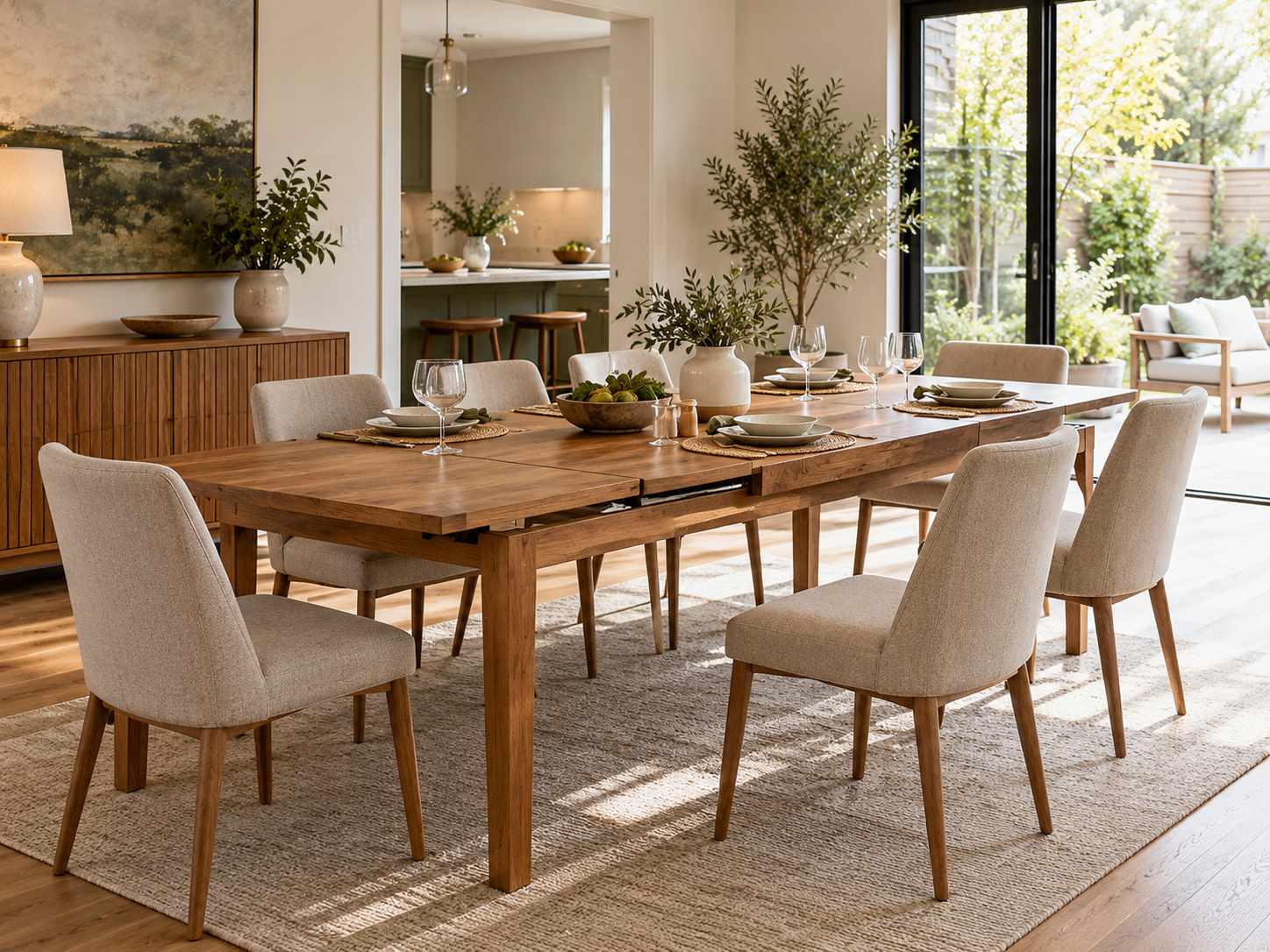
An extendable table can suit everyday meals and occasional guests when the room supports both configurations. Measure chair movement at its largest size before buying. Plan where additional chairs will live so the flexible feature does not create a separate storage problem.
4. Divide Closet Space by Actual Needs
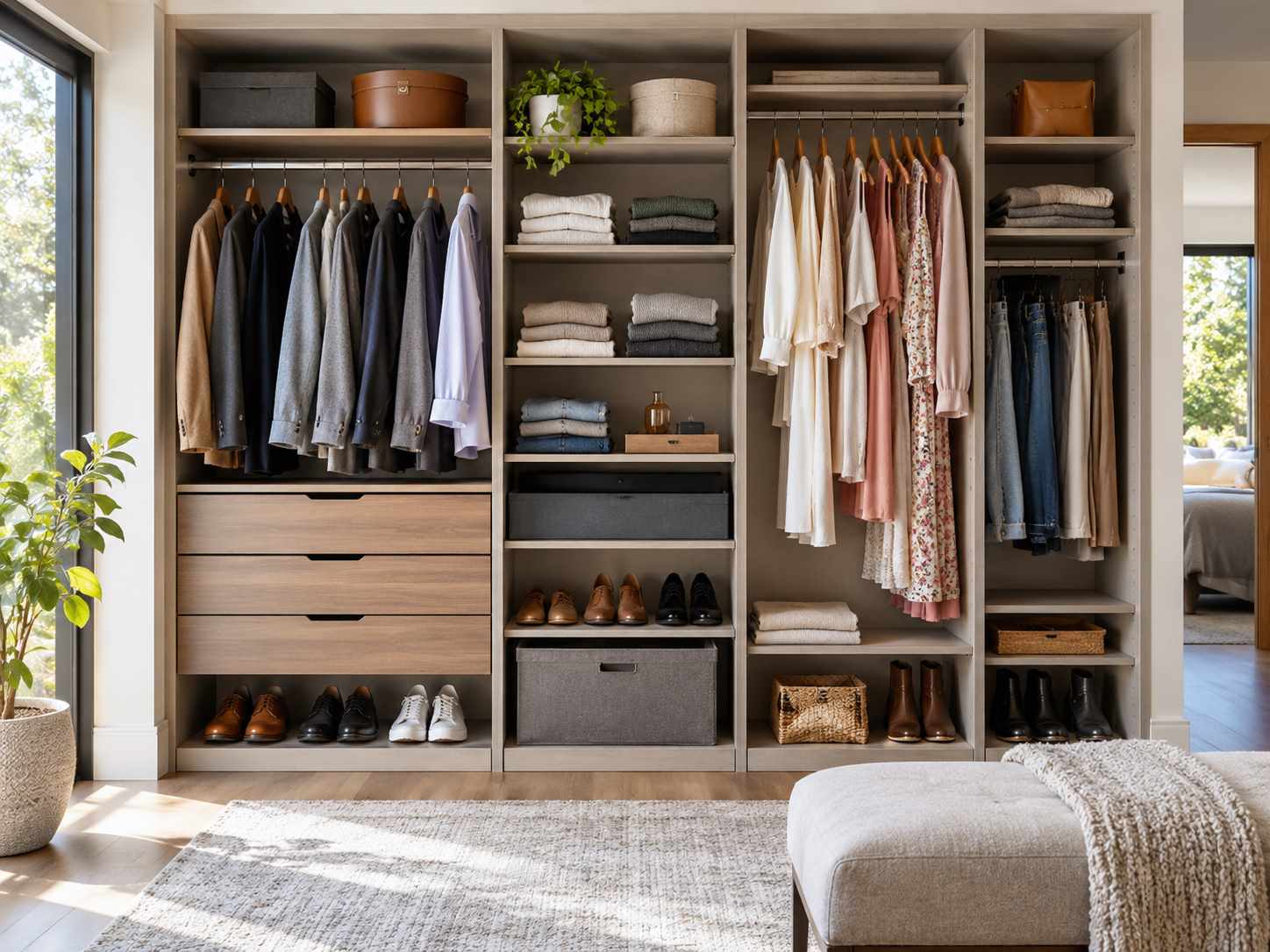
Equal-looking sections are not always the most useful arrangement. Measure hanging clothes, folded items, and shoes, then assign space around the collection. Keep everyday items reachable and use adjustable components where possible so the closet can change with your routines.
5. Create Two Useful Bedside Surfaces
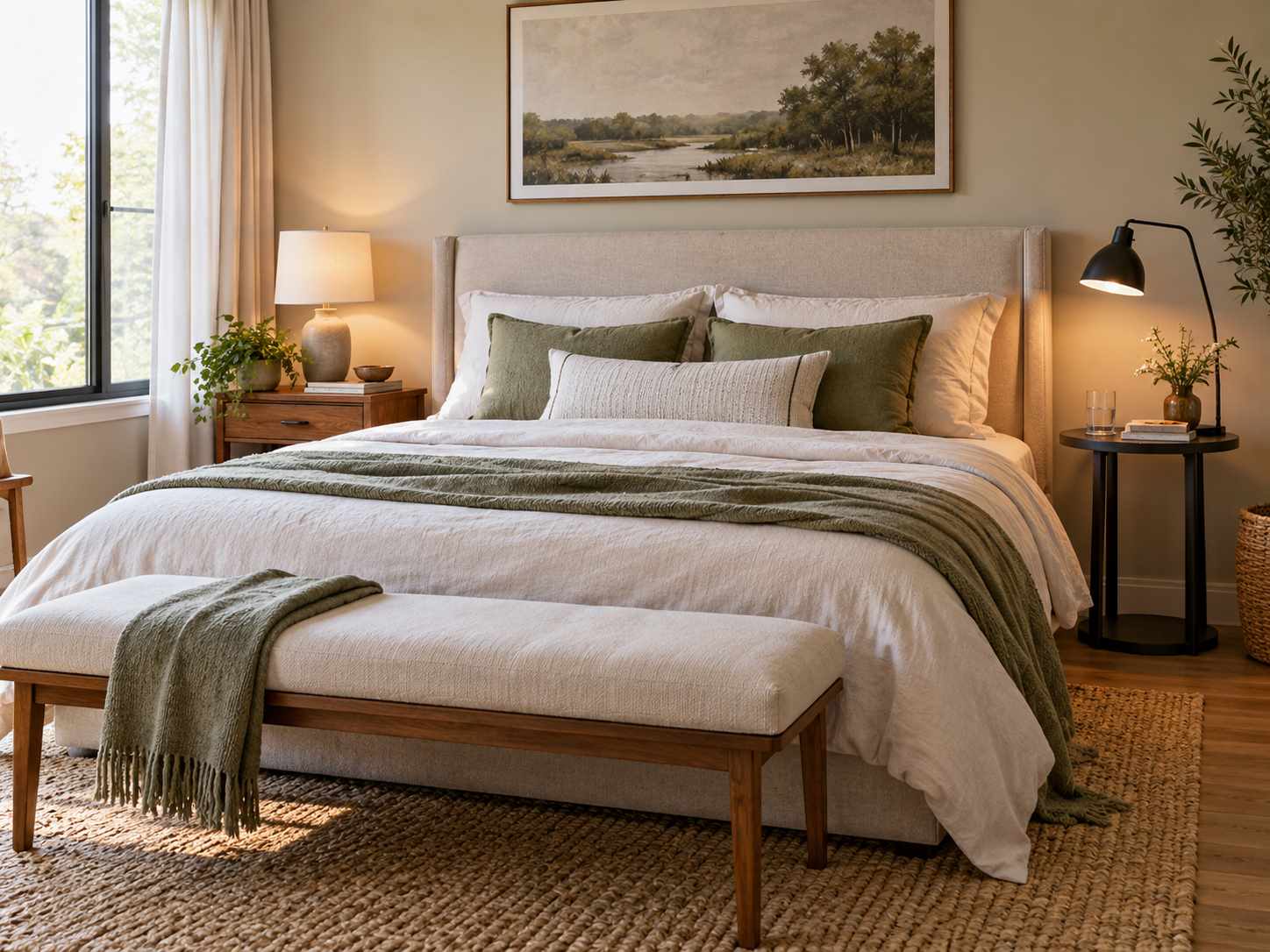
Each side of the bed needs a place for its actual essentials. Tables can differ as long as their heights and lighting work with the mattress. Keep cables clear and choose lamps that allow one person to read without relying only on the ceiling light.
6. Use Closed Storage in the Main Living Area
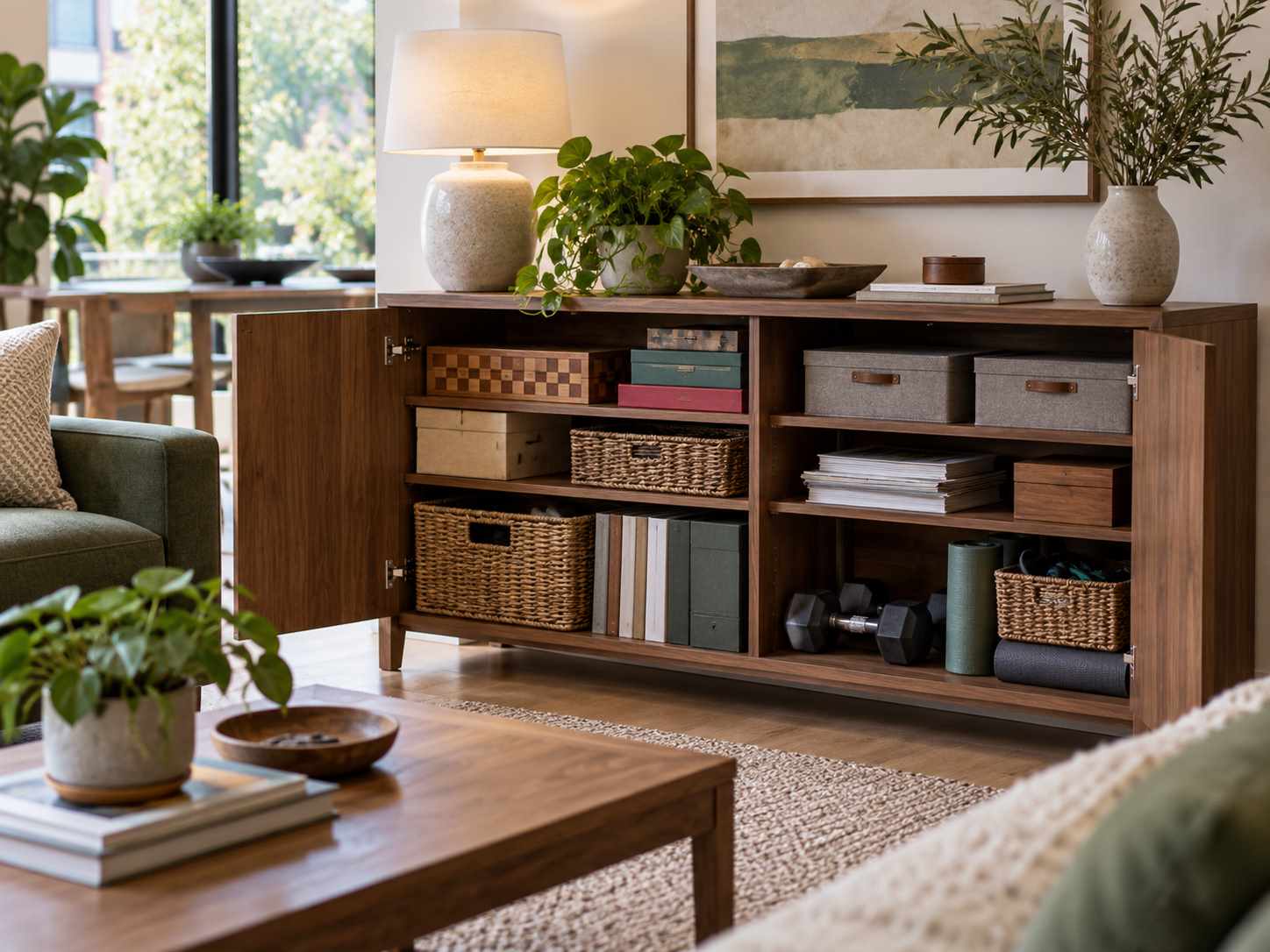
A shared cabinet can contain games, paperwork, and equipment that otherwise spread across tables. Agree on clear categories and keep frequently used items easy to reach. Check internal dimensions before buying rather than expecting any cabinet to solve an undefined storage problem.
For a practical foundation for the bedding, see our guide to layering a comfortable bed.
7. Give Personal Collections a Limited Display Zone
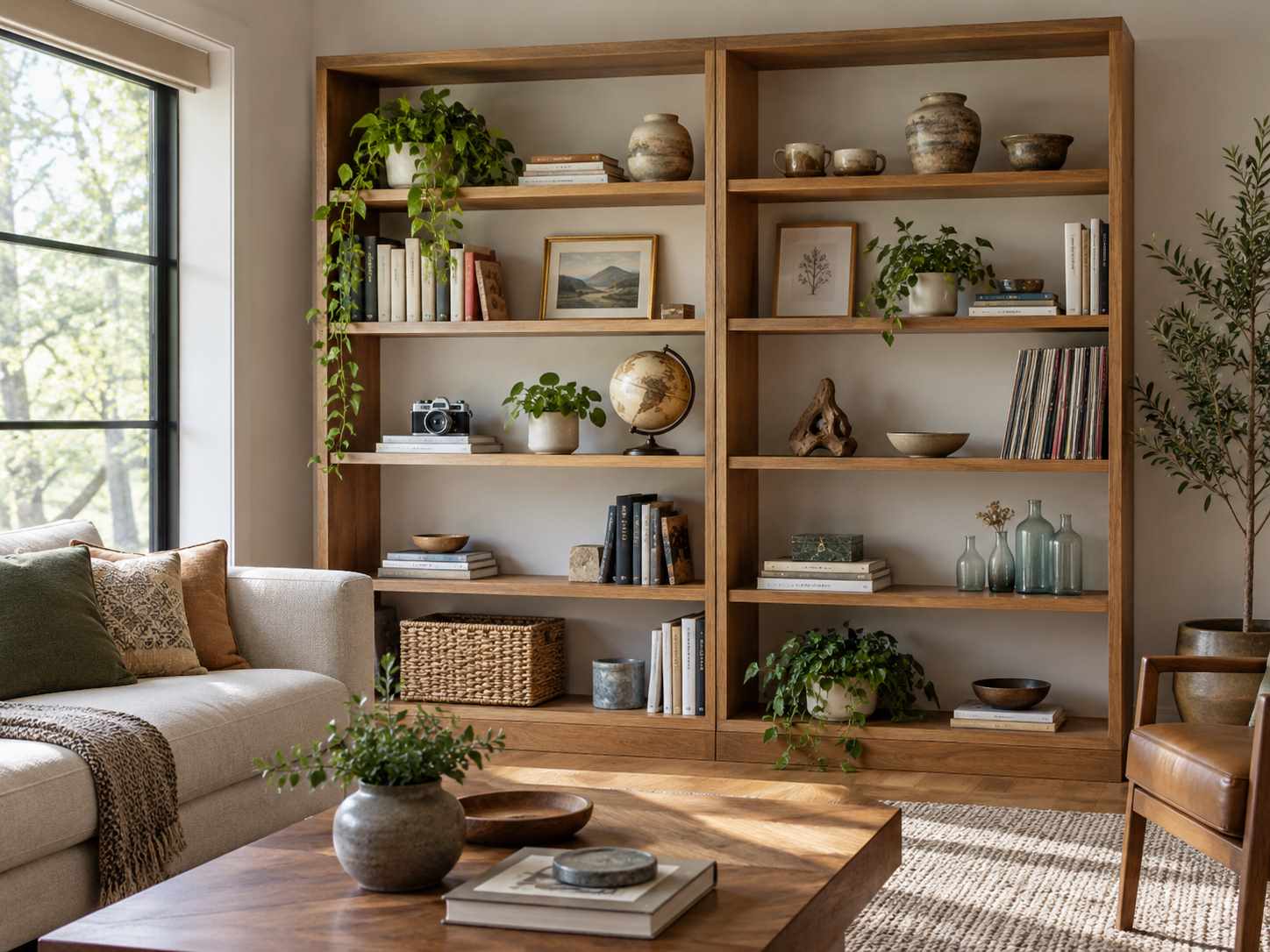
Separate shelf sections can let different interests appear without competing on every surface. Choose a shared framework, such as one bookcase or related frame finishes. Leave enough open space to change the display as the collection grows.
8. Make a Work Corner Easy to Close Down
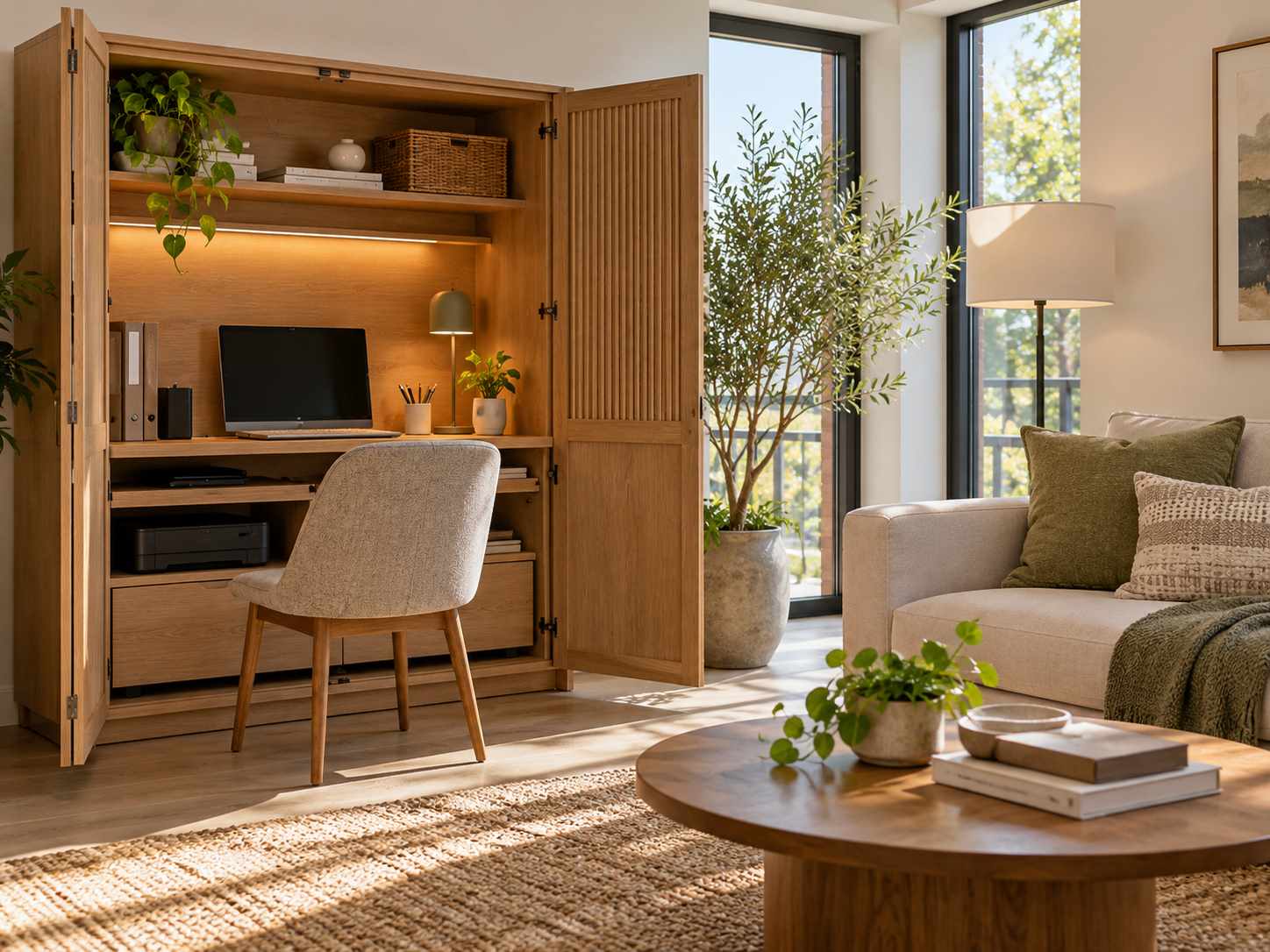
A compact desk or cabinet work area can help a multipurpose room return to living use at the end of the day. Provide storage for the equipment you actually use and preserve ventilation. Keep the work surface clear enough that closing down does not become a daily sorting project.
9. Use a Rug to Define Shared Seating
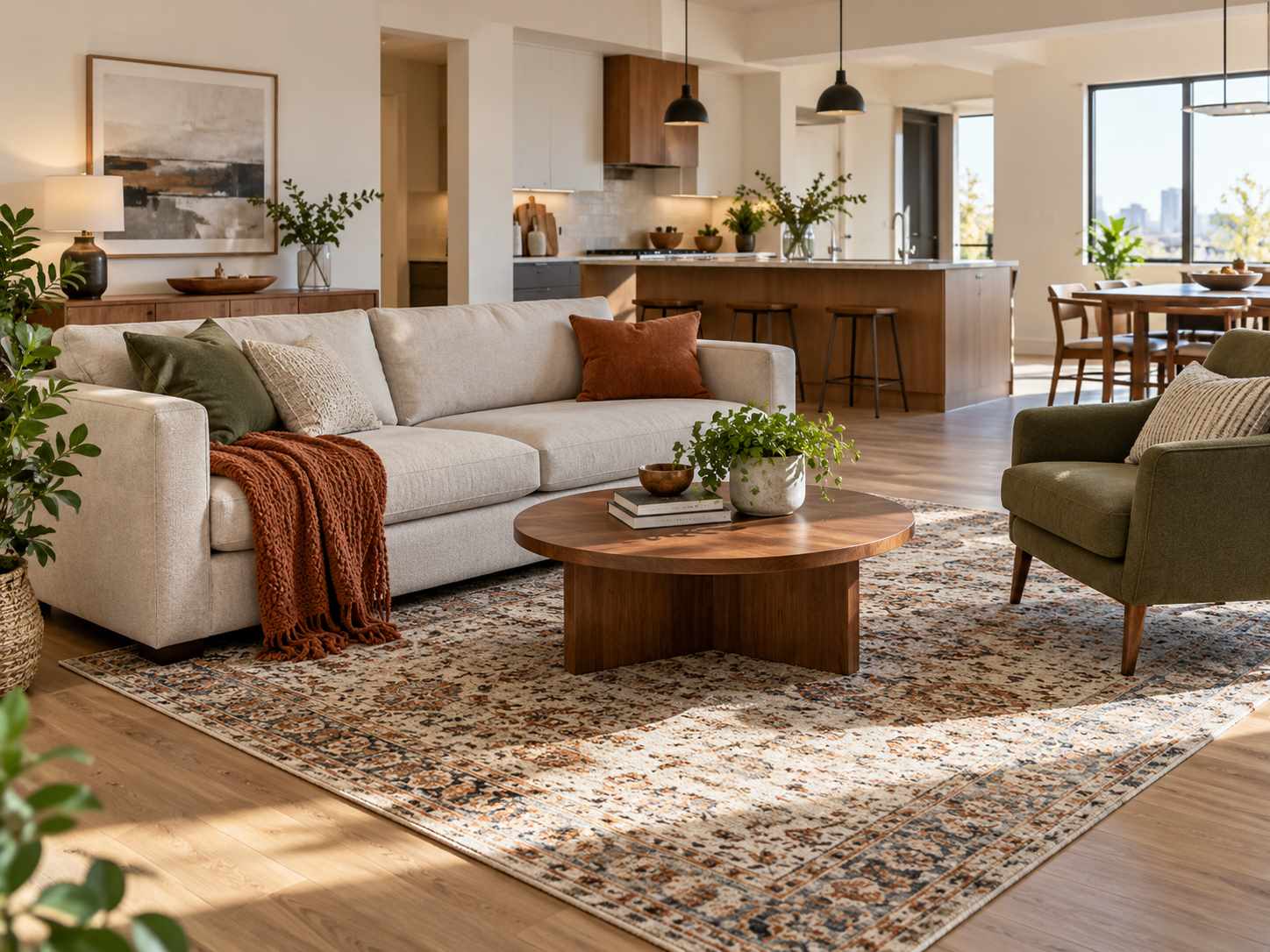
A rug can connect a sofa and chair in an open plan without another divider. Check its footprint with the furniture in place and use a suitable pad. Choose a pattern and care level you both find manageable rather than letting appearance be the only criterion.
10. Choose a Shared Color Base and Separate Accents
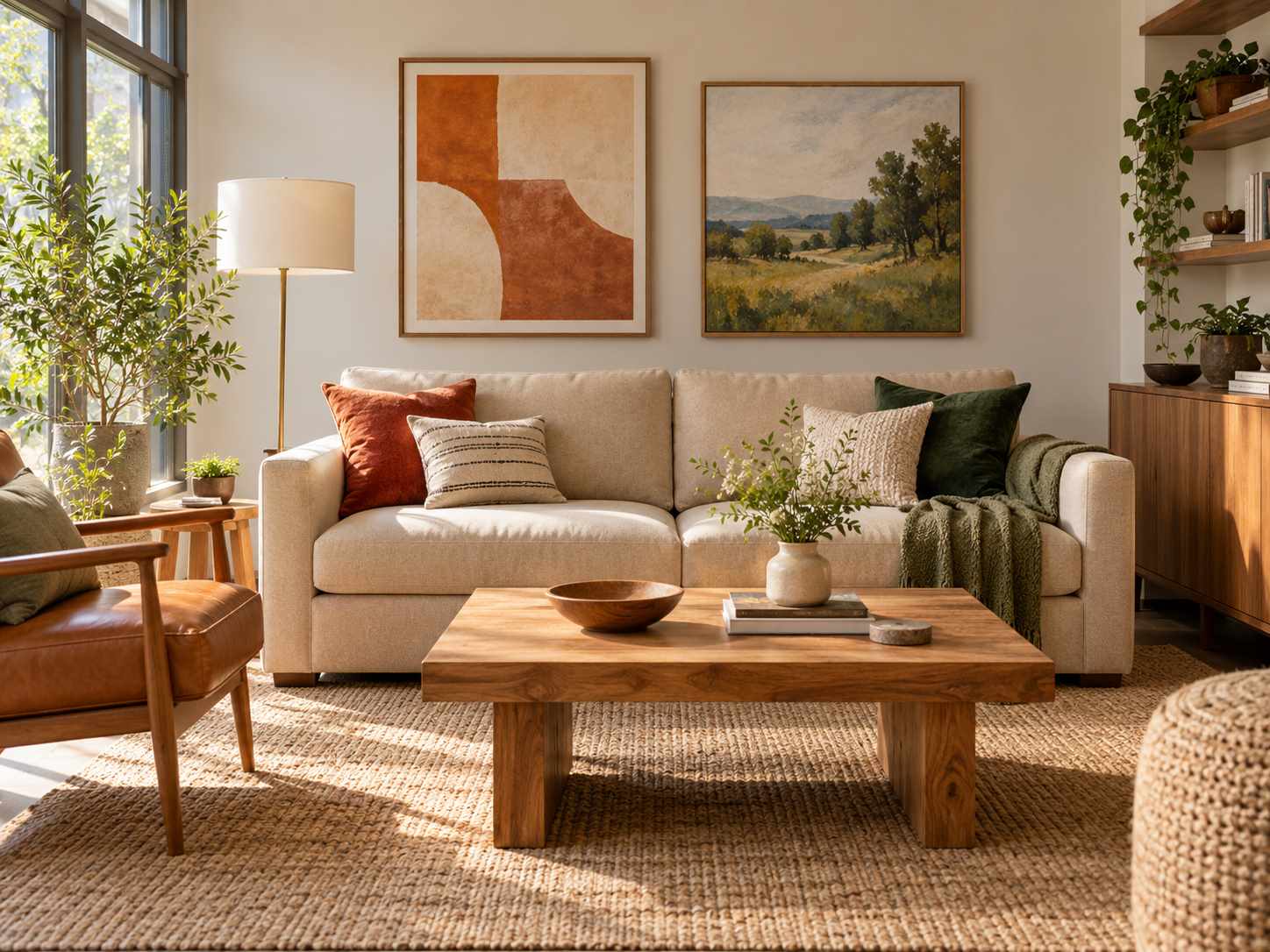
A common neutral or wood tone can connect different preferences. Each person can then contribute a small accent through art or textiles. Compare the pieces together before buying so the room develops a relationship rather than two unrelated halves.
11. Keep a Clear Route Through the Apartment
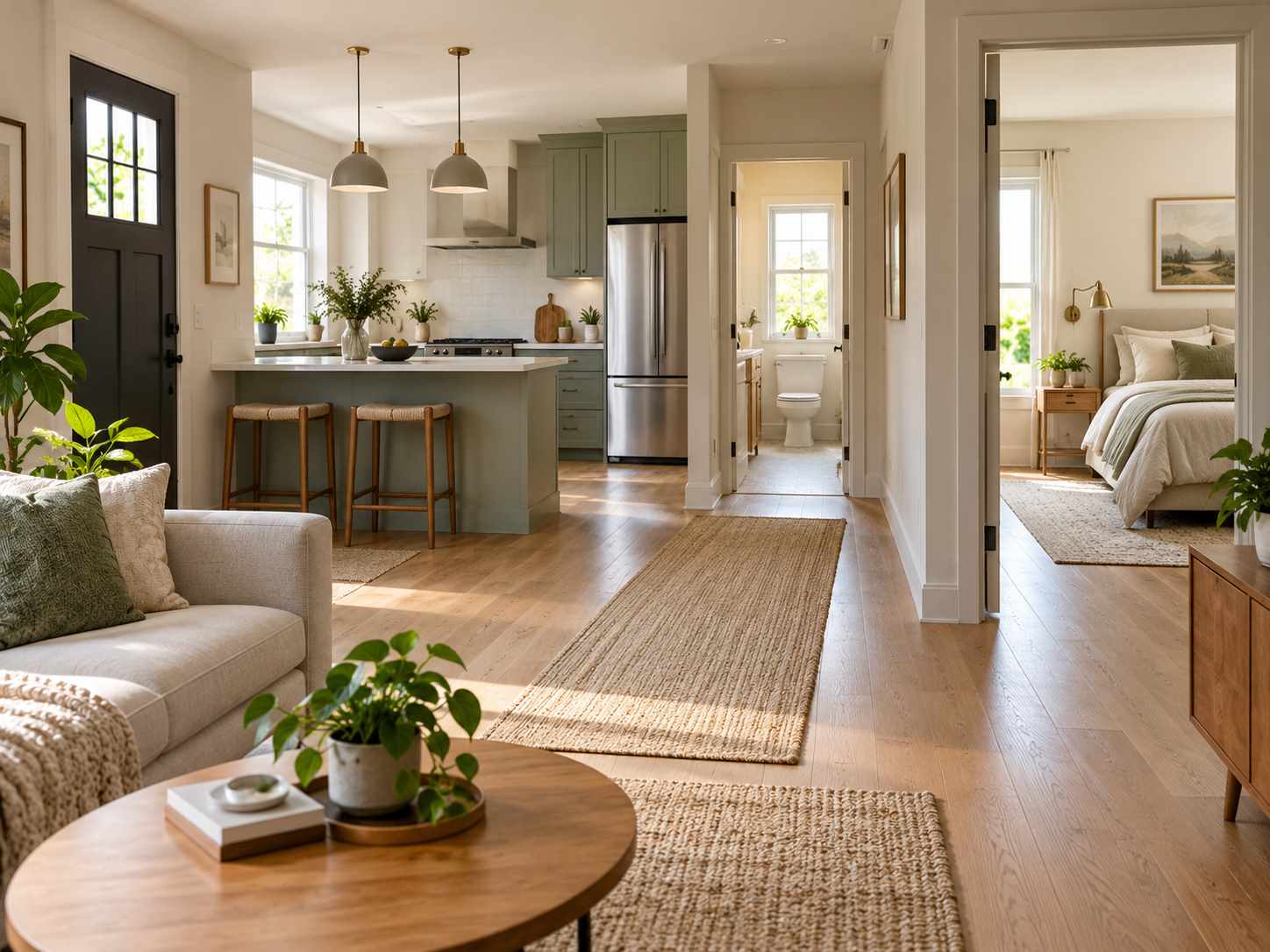
A useful path between entrance, kitchen, bathroom, and bed matters more than fitting in every desired piece. Mark proposed furniture footprints before purchasing. Move or reduce pieces that repeatedly interrupt daily movement rather than treating the awkward route as unavoidable.
12. Add a Small Seat Away from the Sofa
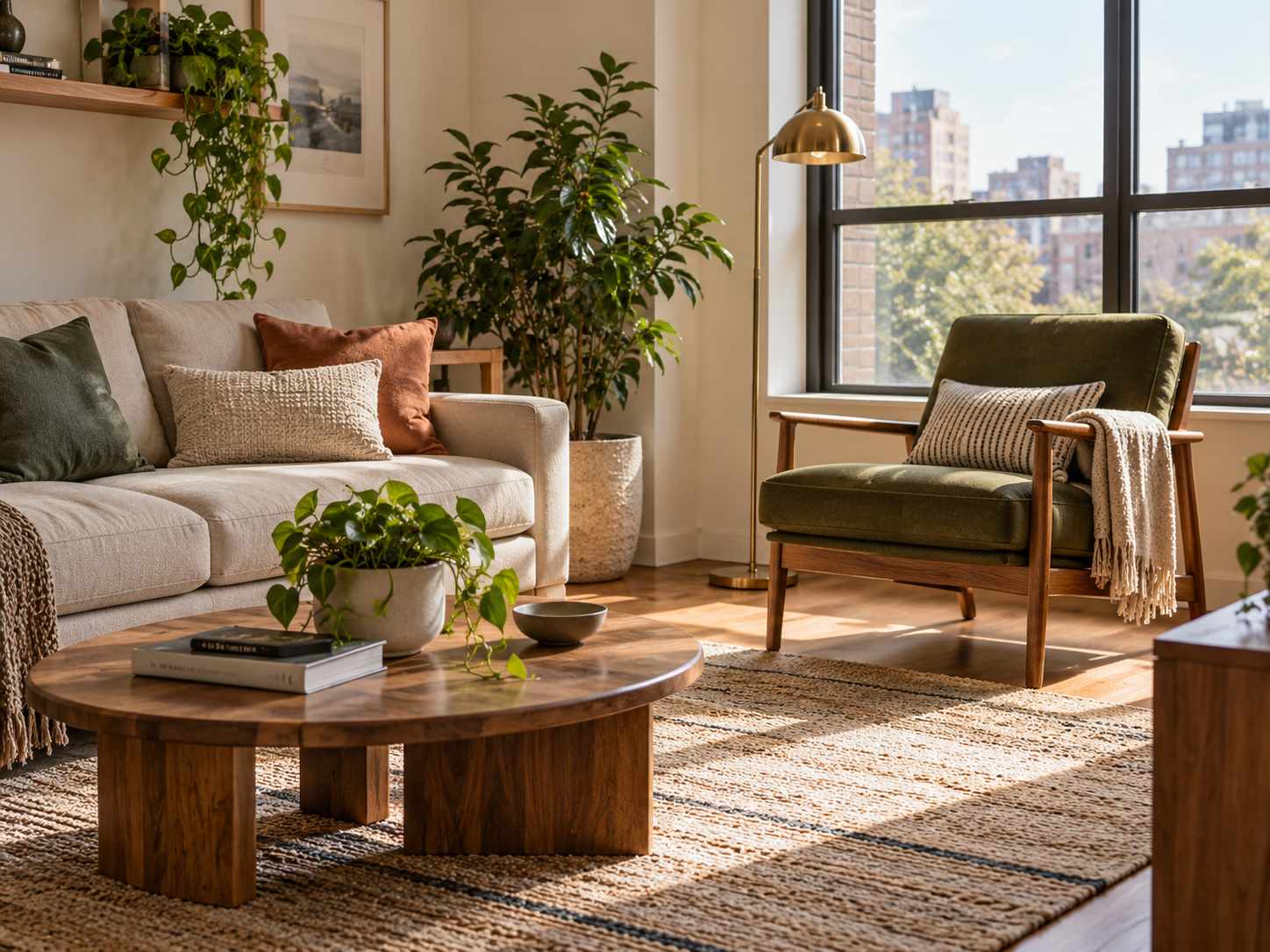
A separate chair can provide another place to read or take a call without requiring a second room. Position it for light and comfort while preserving access. In a tight apartment, replacing an oversized side table may create enough room without adding to the footprint.
For ideas that support a compact layout, explore our small-space decorating guides.
13. Use Laundry Storage Where Clothes Accumulate
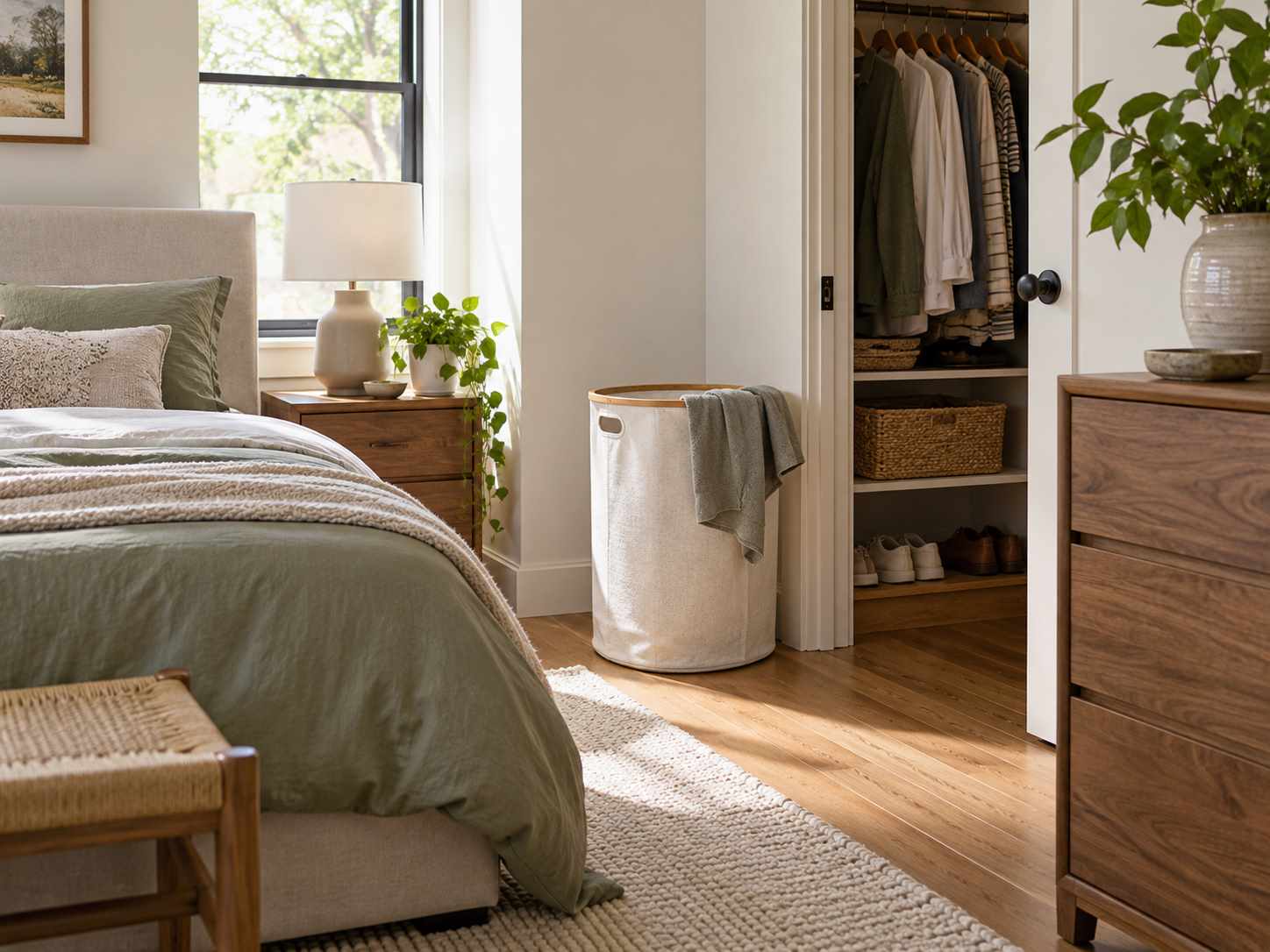
A hamper works best where changing actually happens, provided it stays clear of the route and can ventilate appropriately. Choose a capacity suited to your washing routine. A carefully placed hamper can be more effective than repeated decorative baskets around the home.
14. Organize the Kitchen by Shared Tasks
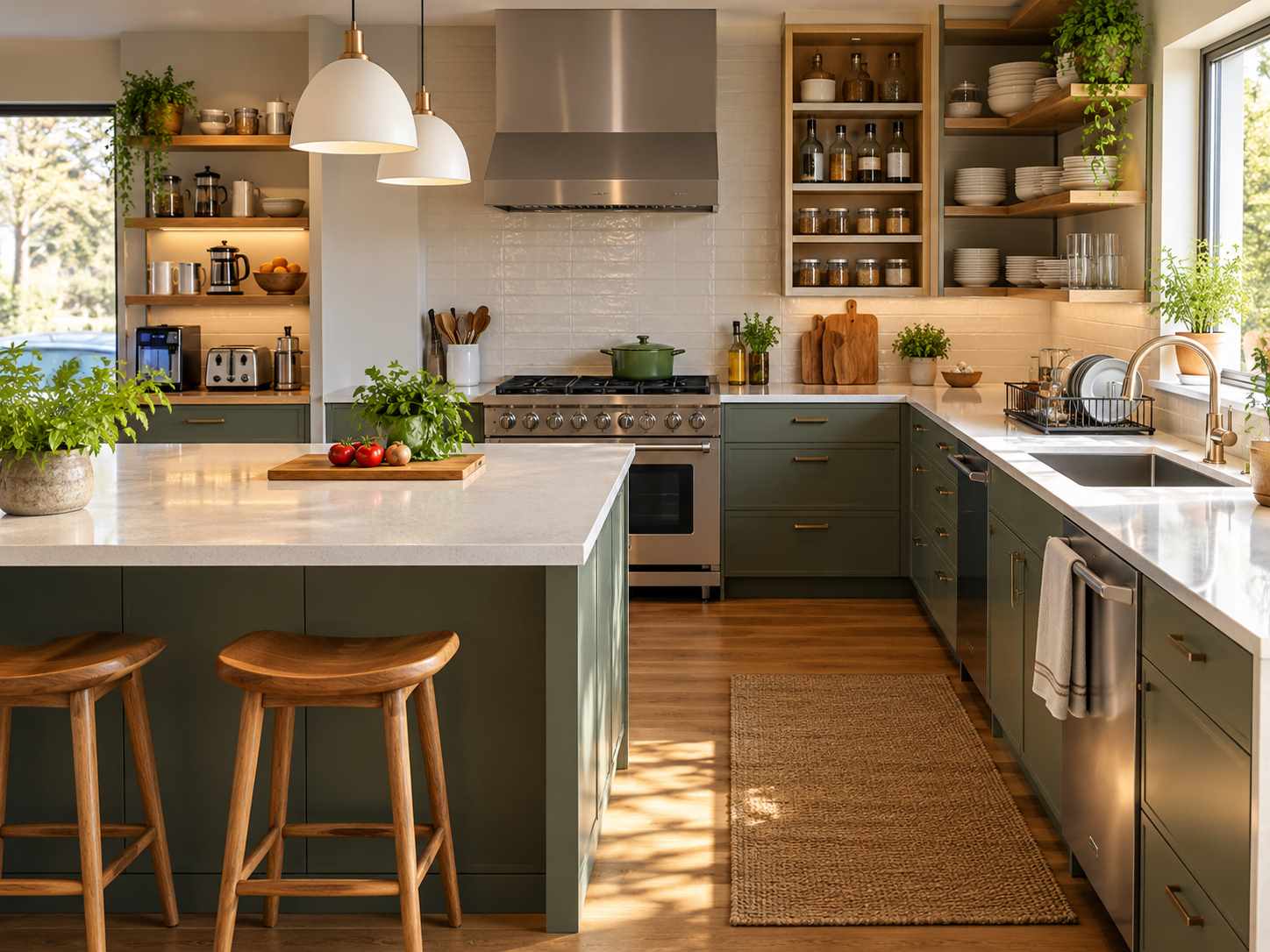
Group breakfast, cooking, and dishwashing supplies around the places they are used. Leave a clear preparation surface and check whether two people can move comfortably. Storage should support the way you cook rather than simply filling every available cabinet organizer.
15. Keep Guest Supplies in One Place
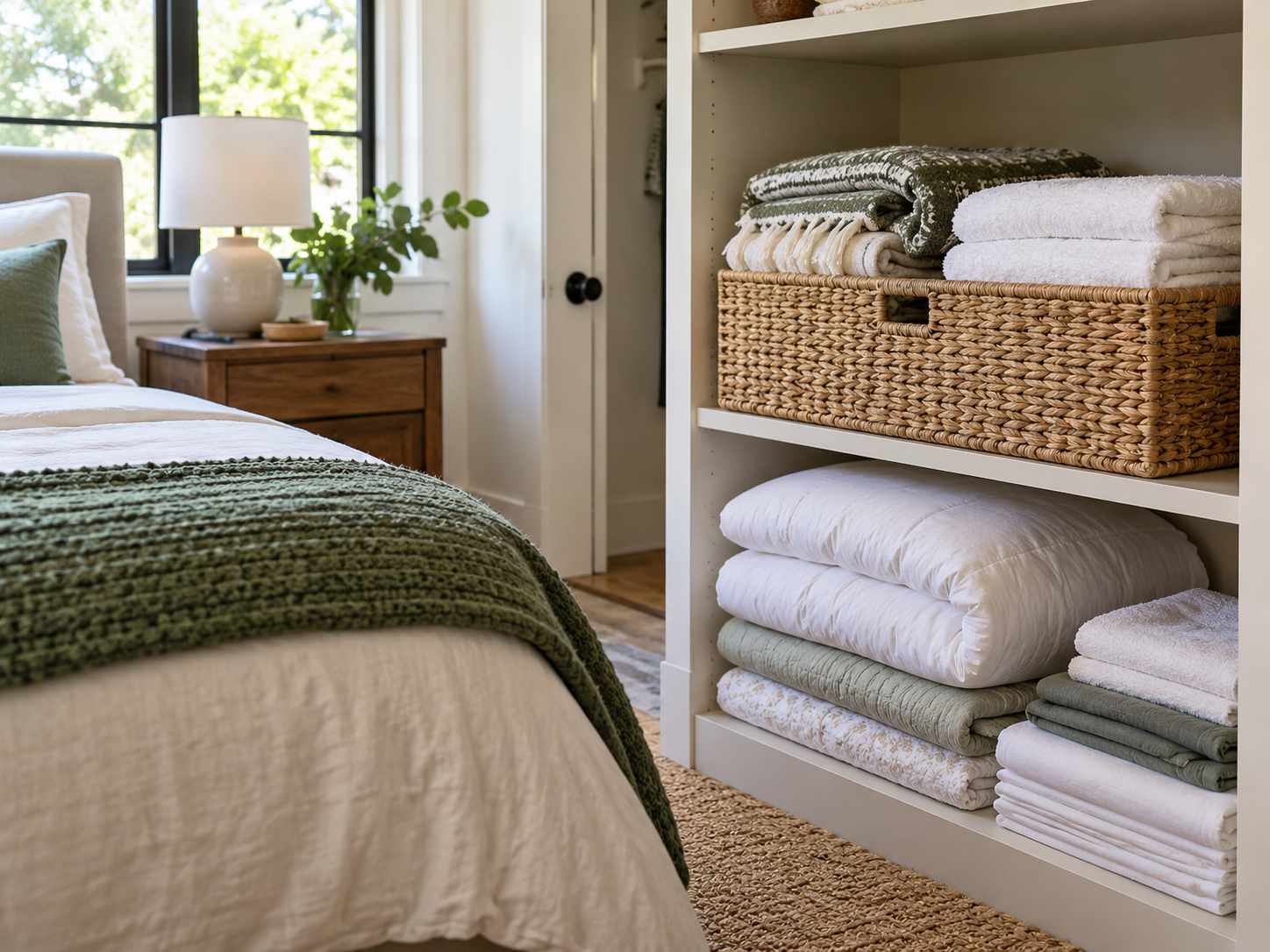
A defined box or shelf for spare bedding and guest towels can prevent occasional-use items from taking over daily storage. Choose the contents around the guests you actually host. Clean and dry textiles before storing them and keep the location accessible.
16. Use Lighting for Different Activities
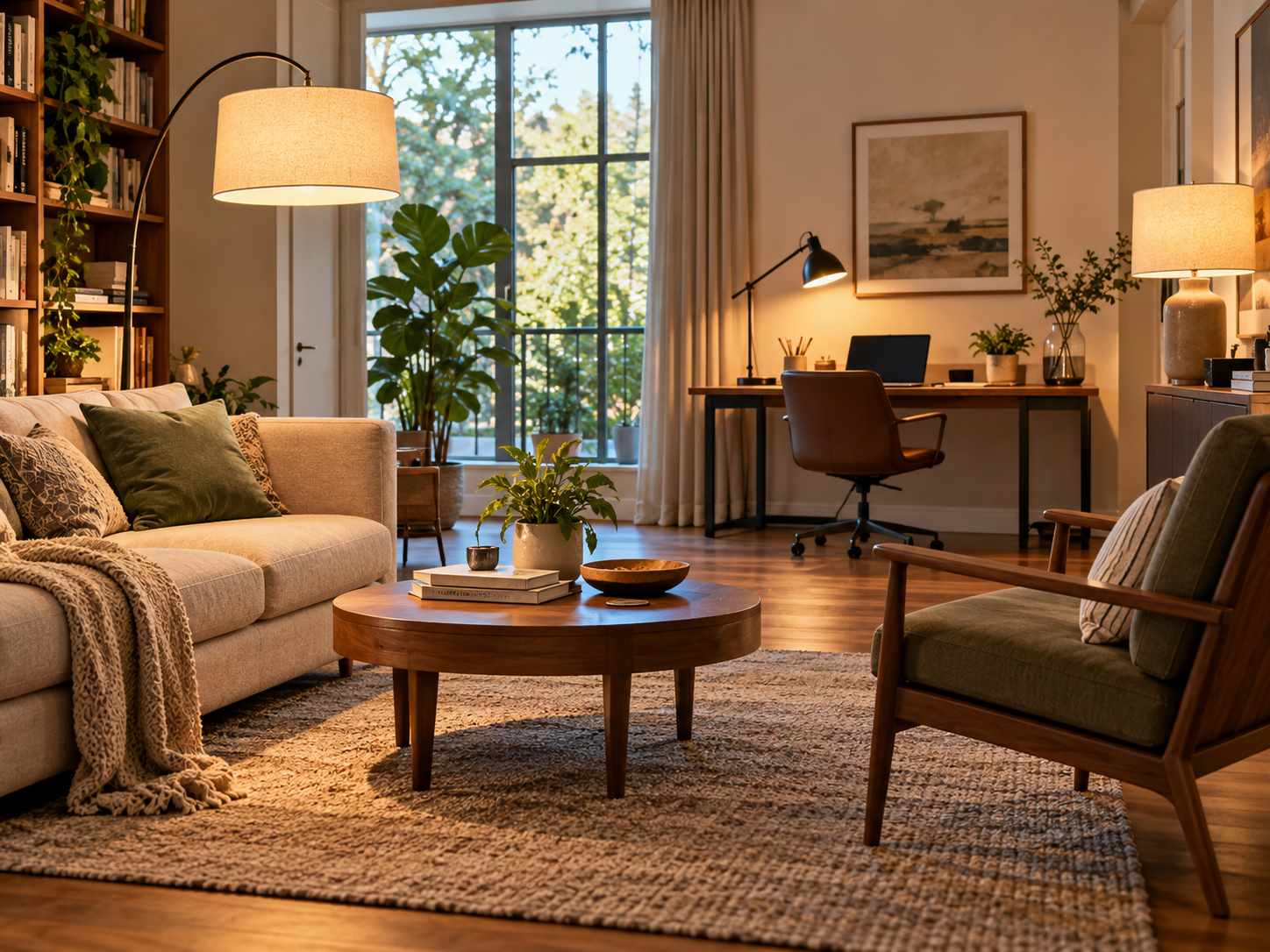
A room can support reading, work, and relaxing more comfortably with separate light sources. Check glare from both seating positions and route cables safely. Use qualified help for electrical changes, and select lamps for their useful light as well as their shapes.
17. Leave One Flexible Area Unassigned
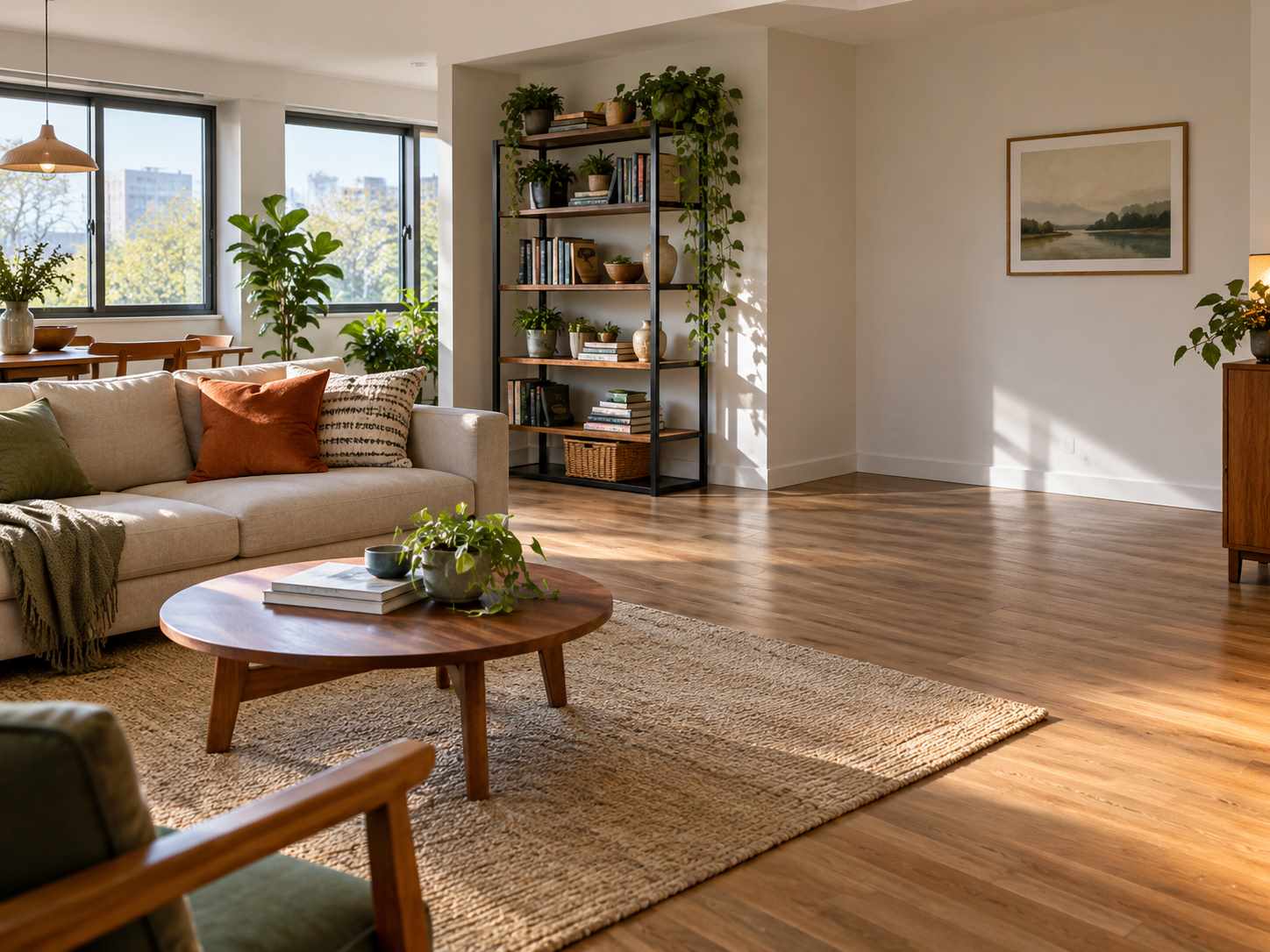
An open corner or clear section of floor can adapt to changing routines, exercise, or an occasional visitor. Avoid filling it immediately because it seems unfinished. A little unused capacity can make a small shared home more practical over time.
Frequently Asked Questions
How can two decorating styles work together?
Start with a common base in color or material, then give each person’s preferences a defined place. Compare actual pieces together rather than deciding only from separate mood images.
Does closet space need to be divided equally?
It needs to work for the belongings and routines involved. Measure what each person stores and use adjustable divisions where possible.
What furniture helps a small shared apartment?
Choose pieces that fit the main activities and can serve more than one useful role. Check every configuration before buying a folding or extending design.
How do we keep shared surfaces clear?
Give everyday items defined storage close to where they are used. A clear system is more useful than adding several containers without deciding their contents.
Can a studio have personal space?
It can offer distinct activity zones, separate storage, and a seat away from the main sofa or bed. Keep the layout flexible and avoid blocking light or circulation.
Related Decorating Guides
- 17 Apartment Bathroom Ideas That Respect a Small Footprint
- 17 Bedroom Ideas for Small Rooms That Keep Space Useful
- 17 Bedroom Storage Ideas for Clothes, Bedding, and Daily Life
Conclusion
Begin with the routines that both people need the apartment to support. Clear storage, comfortable seating, and a little flexibility can make shared living easier without requiring identical tastes. Save the ideas that address your biggest daily friction before choosing more decorative pieces.
Browse more palettes and furnishings in our bedroom collection.